Die Casting Tooling Ownership and Transfer Terms
How die casting tooling ownership works: contract clauses covering title, storage, repair costs, and transfer rights when moving molds to another supplier.
Production Capabilities
Buyer reference visuals for die casting tooling ownership
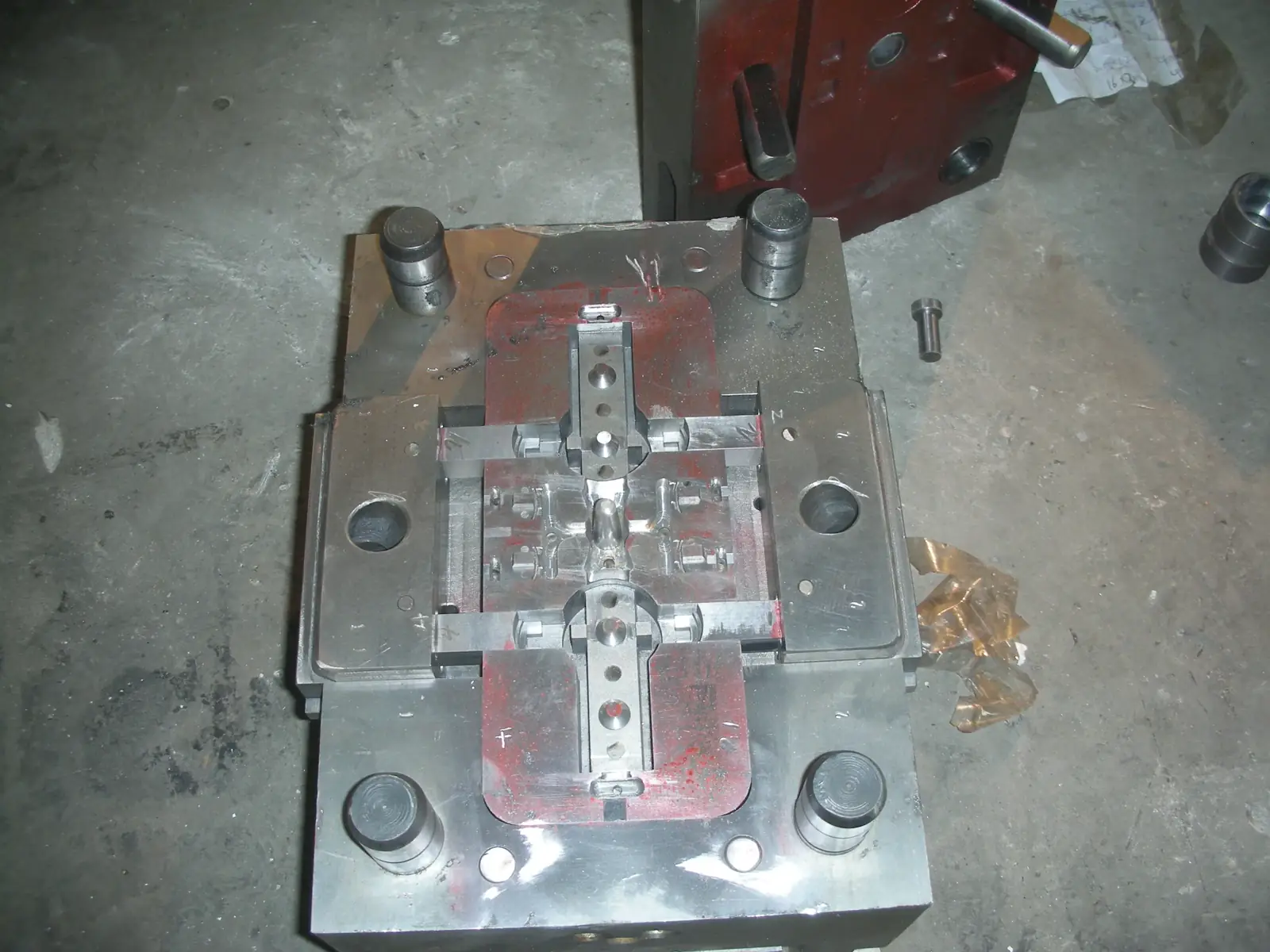
Documentation & Workflow
PPAP documentation packages, inspection reports, packaging workflow, and engineering review materials for die casting procurement.
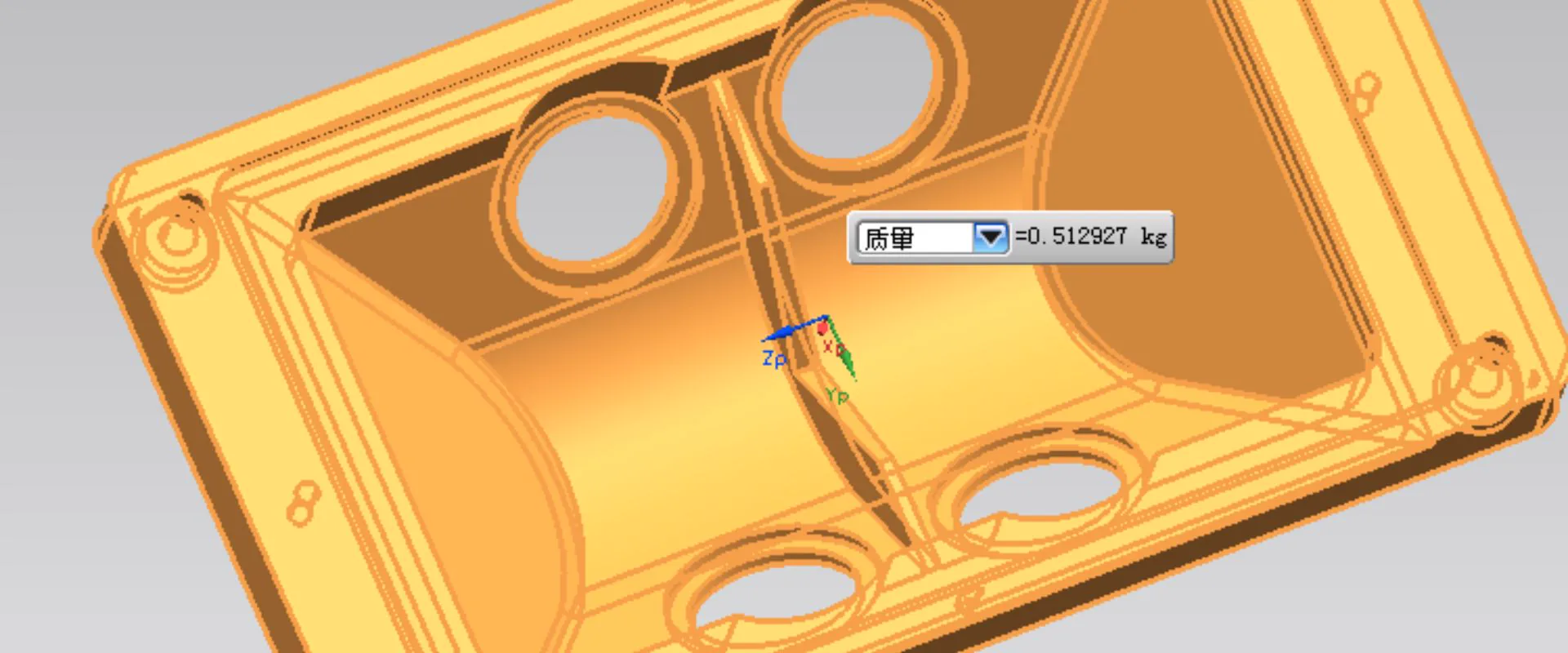
Program Management
Supplier coordination, packaging verification, first article inspection, and shipping readiness for international die casting programs.
A die casting program begins with a tool, and the tool is usually the most valuable physical asset in the supplier relationship. Yet in a remarkable number of purchase agreements, the sentence that says who owns that asset is missing, vague, or contradicted by a pricing arrangement nobody remembered. While the relationship is healthy, nobody reads that sentence. When prices rise, quality slips, or the buyer wants production moved, that single sentence decides whether the molds leave the building — and on whose terms.
Most tooling disputes are not stories about dishonesty. They are stories about ambiguity — an amortized tool nobody defined, an assurance never written down, a repair invoice that turned into a lien. Ambiguity that sits quietly for years becomes expensive the day you need to move.
This article is about the commercial and contractual side of die casting tooling ownership: how buyers lose tools, what a defensible ownership clause contains, what a clean transfer physically involves, and what to ask while you still hold leverage — at the RFQ stage. It is written for buyers who pay for tooling and expect to control where it runs.
Why Buyers Lose Control of Their Tooling
The scenarios below recur across the industry. None of them require bad faith; each of them thrives on a missing sentence.
The amortized tool that was never clearly paid for. The part price included tooling cost spread over projected volume. When the buyer wants to move production partway through, the supplier argues that title never passed because the tool was discounted or the amortization is incomplete. Both parties believed they were reasonable in year one.
The verbal assurance. A sales engineer said "of course the tool is yours" in a meeting, or in a quote email. The purchase order that followed said nothing about tooling. The engineer changed jobs. The quote email and the PO now disagree, and neither was drafted by a lawyer.
The unpaid repair invoice. Maintenance work accumulated on the tool — some of it authorized, some of it disputed. When the buyer requests release, the supplier declines until the account is settled. Whether or not the invoices are valid, the tool is now leverage in a billing argument.
The idle die that was scrapped. The program paused for a season. The supplier's internal storage policy retires tooling that sits unused beyond a defined period, and the notice went to a purchasing contact who left the company two years ago. The tool that returns from storage is a certificate of destruction.
The closed factory. The supplier ceases operations, merges, or restructures. Tooling locked inside a plant in administration is treated by creditors as a company asset until the buyer can prove otherwise — with payment records the buyer may or may not still hold.
The cannibalized die. Inserts, cores, or trim tools were borrowed for another program during a busy season and never restored. The tool that eventually ships is not the tool that was built.
The unmarked lookalike. The contract was fine; the tooling was never physically marked as buyer property. Several similar dies sit on a shelf, and identifying which one is yours becomes an argument instead of a fact.
The common denominator is the absence of written terms combined with a weak paper trail. And note the asymmetry that runs through every scenario: the tool sits in the supplier's building. Possession does not decide the law, but it shapes the negotiation.
The Five Elements of a Tooling Ownership Clause
A workable tooling section in a purchase agreement — or a standalone tooling agreement for larger programs — covers five elements. They travel together; title without transfer rights is a promise, and transfer rights without repair boundaries means the release gets renegotiated at exit anyway.
Ownership and title. State who holds title, and the event that transfers it. If the tool is paid for upfront, title passes upon final payment. If tooling is amortized into the piece price, the contract should state the schedule and the exact point at which title transfers, and the supplier should confirm in writing when that point is reached. Identify the tool precisely — tool number, part number, current revision — and require your property identification to be engraved on the steel. Finally, state that the tooling remains your property wherever it is located, and that the supplier holds it as custodian of your asset while production runs.
Storage and maintenance responsibility. Define where the tool is stored, how it is protected against corrosion between runs, and what maintenance the supplier performs on its own initiative versus with your approval. Require shot-counter readings and condition reports at agreed intervals, insurance while the tool is in the supplier's care, and notification before any major maintenance or welding work on the tool steel.
Repair cost boundaries. Sort every repair invoice into one of three buckets before the argument starts: normal wear from production (the owner's account, at agreed rates), damage from handling or process error (the supplier's account), and engineering changes you requested (your account, quoted per change like any other work). Add a written-approval threshold above which the supplier must obtain your sign-off before machining or replacing anything, and require each invoice to carry the tool number, the bucket, and the records behind it.
Access and audit rights. Reserve the right to inspect the tool, photograph it, verify the identification marks, and receive condition and shot reports — both on request and during visits. Tooling access slots naturally into a wider supplier evaluation; see the guide to auditing a China die casting supplier for the broader picture.
Transfer and end-of-program rights. This element makes the other four real. Reserve the right to remove the tool at any time against a defined notice period. Make release conditional on nothing except the settlement of undisputed amounts — and give disputed amounts a separate mechanism, such as escrow, so a disagreement over one invoice cannot hold the tool hostage. Specify the packaging and preservation standard for shipment, and define end-of-program options: return of the tool, continued storage at an agreed fee, or destruction only with your written approval and evidence.
Tooling as Customer Property: The ISO 9.2/7.5 Lens
For a die casting supplier operating under ISO 9001 / IATF 16949, customer-owned dies are not a courtesy — they are the quality system's customer-property obligation. The clause was 7.5.4 in the 2008-era numbering many auditors still quote, sits at 8.5.3 ("property belonging to customers or external providers") in the current ISO 9001:2015 and IATF 16949 text, and internal audit (clause 9.2) is where a caster samples its own evidence. The obligation itself is one sentence wide: customer property must be identified, verified, protected, and safeguarded while it is under the organization's control, and the customer must be informed if it is lost, damaged, or otherwise found unsuitable for use.
A die caster's forum post states the working reality from the supplier side: the overwhelming majority of dies on their floor are customer owned, and the caster answers for the condition of each one — while the customer expects a "runnable" tool when it leaves. That split is the ownership question in miniature: title is yours, condition is their duty, and both halves need definitions before either can be audited.
What the customer-property lens translates to in practice:
- Identification. Auditors ask how customer tooling is marked and tracked. An engraved property mark and a tool register with locations is the expected answer.
- Care while idle. Storage conditions, corrosion protection between runs, and shot/condition records at agreed intervals — the "protected and safeguarded" half of the clause.
- Reporting damage. The clause requires telling the customer when a tool is damaged or unsuitable — before it is quietly welded, ground, or cannibalized, not after.
- Evidence at audit. Maintenance logs, repair approvals, and storage records for customer dies are internal-audit material; a caster who cannot produce them has a finding regardless of how well the tools are actually kept.
Buyers drafting ownership terms can borrow this structure directly — it is what a certification-body auditor will hold the caster to anyway, and clauses that mirror it are the easiest ones to enforce.
What "Runnable" Means When You Move a Tool
"Runnable" is the word the industry actually uses at a tool transfer, and it deserves a definition, because it carries more weight than it appears to. A runnable tool arrives at the receiving caster and makes conforming parts — first articles that match the retained baseline samples — without unquoted rebuild work. Everything that claim rests on is documentation as much as steel.
What a runnable-tool handover package contains:
- Storage-condition records. Where the die sat, how it was protected against corrosion, and for how long — a die that sat unprotected for years may be runnable only after cavity repolish or re-heat-treatment.
- Last-production state. The final shots retained and marked, the shot count at release, and the process data from the last good run — die temperatures, cycle parameters — so the receiving caster starts from evidence instead of archaeology.
- The repair-history file. Every weld, grind, insert replacement, and engineering change with dates and approvals. Undocumented repairs are the discovery that turns a transfer into a rebuild quote.
- The complete tool set. Trim tools, gauges, fixtures, spare inserts and cores — the items that cannot be re-sourced from a filing cabinet, only rebuilt.
The receiving caster's role is to say what runnable means in numbers: an agreed first-article criterion against the retained samples, and a written statement of any work the tool needs before it meets that criterion. Ask for that statement before the tool ships, while the releasing supplier still owns the condition question — it converts "runnable" from an adjective into an acceptance test.
The Tool Transfer Checklist: What Should Come With the Mold
Most tool transfer guidance is written from the releasing side. A mid-2026 thread on a manufacturing forum asked the question from the other chair: you are the shop taking over a die after another supplier's program halted — what information should you demand with it before committing to a restart? The answers focused less on the steel than on the knowledge attached to it: the process settings the tool actually ran, its accumulated operating time, the problems it kept having, its waste-rate history, and the troubleshooting techniques that never made it onto a drawing. A mold transfer that arrives without that package is a reverse-engineering project wearing a logistics label.
A receiving-side checklist groups the demands into four packages:
Documents. The mold 2D/3D design at current revision, the engineering-change history with dates and approvals, and a last-state report from the final production run — what the last shots measured, what was drifting, what repair was pending.
Data. The cumulative shot count (the tool's real age), the process window it ran — shot parameters and die temperatures from the last good runs — and the yield history: scrap rates by period and by defect, the recurring problems, and the fixes that worked. This operational memory is the first thing lost in a hurried handover.
Physical items. Spare inserts and cores, trim tools, gauges, and fixtures, with an inventory list stating what exists and what condition it is in — so the gap between "two spare cores" and "we had two spare cores" surfaces before the truck leaves, not after.
The acceptance test. Agree before shipment what a successful restart means: first articles compared against retained baseline samples, a dimensional report against an agreed drawing revision, and a written statement of any work the tool needs to reach that bar.
The lesson underneath: sign for a runnable handover, not a delivery. That is the same "runnable" standard defined earlier — conforming first articles without unquoted rebuild work — expanded into everything the releasing shop knows about the tool. A supplier who can assemble this package has run disciplined programs; one who cannot is describing what the first months of your restart will be spent reconstructing.
Moving Molds to Another Supplier: What a Clean Transfer Involves
When the day comes, four workstreams decide whether the tool arrives at the new supplier ready to run.
The release letter. Before anything is shipped, obtain a signed letter identifying the tools being released by tool number and part number, confirming that the tooling is your property and that no liens, claims, or retention rights are asserted against it. Get it before the truck is loaded, not after the tool has left the building.
Last shots and baseline parts. Ask the releasing supplier to run and retain the final production shots, marked with date and cavity where applicable, and to send them with the tool — or confirm which retained production samples already exist. These parts become the dimensional baseline the receiving supplier compares its first articles against, which shortens requalification considerably.
Spare parts, drawings, and records. The die itself is only the headline item. Spare inserts and cores, trim tools, gauges, and fixtures belong to the program and must move with it. So do the tool's 2D and 3D designs, the maintenance and repair history, and the current shot count. Missing trim tools and fixtures delay a restart as much as a missing die, because they cannot be sourced from the tool owner's filing cabinet — they have to be rebuilt.
The physical move. A production die is a precision assembly being shipped as freight. Insist on rust preventive on cavities and cores, halves bolted together, proper crating, humidity protection on sea legs, transit insurance, and export documentation when the tool crosses a border. A chipped core or a corroded cavity during a careless move can erase a season of the savings that motivated the switch.
One boundary note, because these topics are easy to conflate: this article covers the terms of ownership and release. The operational side of a switch — qualifying the new supplier, first article approval, and a controlled production restart — is a separate discipline, covered in the guide to switching die casting suppliers. For what drives the initial price of the tool and how to keep that investment proportionate, see die casting tooling cost.
What Happens When the Contract Is Silent
Silence does not mean the buyer automatically loses the tool. It means the question gets renegotiated at the worst possible moment, with the following working against you:
Possession sits with the supplier, and physical control shapes tempo even where the law is clear. The default rules of the applicable jurisdiction apply — in whatever language and courts that implies — rather than the balanced terms you could have drafted for free at award. If the supplier enters bankruptcy or administration, unmarked or undocumented tooling risks being treated as a company asset until you prove title with payment records. And throughout the negotiation, your production is stopped, which is a cost that compounds daily.
Most suppliers release tooling without drama — the risk is not universal bad faith; it is that silence converts a routine logistics task into a renegotiation you would rather not have while your customer waits for parts.
There is also the paper-trail problem. Programs accumulate documents: quote emails offering discounted tooling, amortization schedules in spreadsheets, purchase orders with boilerplate terms. When these contradict each other, ownership becomes archaeology. A single clause stating that the signed agreement prevails over quotes and emails — and defining the five elements above — prevents the dig.
Questions to Ask Before Awarding the RFQ
Award is the moment of maximum leverage, and these questions cost nothing while the supplier is still competing:
- Who holds title to the tooling after final payment, and will that be stated in the purchase agreement we sign?
- Where exactly will the tool be stored, and what maintenance schedule applies between production runs?
- How are repair costs categorized — wear, damage, and design change — and at what value does work require our written approval?
- What access and audit rights do we have, on request and during visits?
- What is the release process: notice period, documents provided, packaging standard, and who has run it before?
- Are any liens or retention claims ever asserted against customer tooling?
- How are engineering changes to the tool quoted and documented?
- Will our property identification be engraved on the steel?
Suppliers who answer these fluently have done transfers before and expect to be held to written terms — a good sign in itself. Hesitation on the release process is worth exploring before award, not after. If you are evaluating several candidates, these questions slot naturally into a structured supplier review; KastMfg's own tooling practice — construction, maintenance, and modification of production dies in our Nanjing facility — is summarized on the die casting tooling page.
FAQ
If I paid for the tool in full, do I own it?
In intent, almost always yes. In practice, ownership is what you can document at the moment it is disputed. A payment record plus a contract clause naming the tool by number beats a bank transfer alone, and an engraved property mark beats both.
Our supplier says the tooling price was discounted, so the tool belongs to them. Now what?
Look at what the documents actually said. A discount is not a stated retention of title, but proving that after the fact is expensive and slow. This scenario is exactly why the ownership clause should state title explicitly regardless of how the price was structured.
Can a supplier hold our molds over a disputed invoice?
With a clause that separates release from disputed amounts — escrow or a similar mechanism — no. Without one, it is one of the most common delays in a tool transfer, and the dispute itself may take longer than the move.
What should physically move besides the die itself?
Trim tools, fixtures, gauges, spare inserts and cores, the tool's 2D and 3D designs, maintenance and repair records, the current shot count, and retained last-shot samples. Anything less hands the receiving supplier a rebuild project instead of a transfer.
How is ownership handled when tooling is amortized into the piece price?
State the amortization schedule in the contract, define the exact point at which title transfers, and require the supplier to confirm in writing when that point is reached.
Why can't my mold just move to another factory and run?
Because a die is built around a machine, not just a part. Dies are designed for specific press sizes — platen size, tie-bar spacing, shot capacity, ejection system — and whether a mold can transfer to a new factory depends on whether the receiving plant has a press that accepts it, plus whatever rework the interfaces need. Whether transfer is smooth, needs rework, or is impossible is decided by the tool and the two facilities, not by ownership paperwork. What a buyer can control: keep the mold design files and know the target machine envelope before a dispute ever starts — that is the difference between "our mold" being an asset you can move and a hostage you can only negotiate for.
What do mold-storage and maintenance clauses look like in practice?
The clauses that matter beyond ownership itself: where the tool is stored and who may access it; who pays for maintenance and what counts as normal wear versus damage; how the tool is identified and marked so a substitute cannot be quietly swapped in; and the notice period before any move. Injection-molding buyers face the identical clause list, and the structure transfers one-to-one to die casting. One reality check worth writing into expectations: a mold has value only while parts are being produced — there is no secondary market for an idle die, so the contract's job is keeping production going and keeping exit possible, not preserving resale value.
Send Your Tooling RFQ to KastMfg
KastMfg is a China-based (Nanjing) die casting manufacturer producing aluminum, zinc, and magnesium high-pressure die castings, with tooling constructed and maintained in-house, CNC machining, and DFM review with quotes. Tools we build are our customers' property under the terms agreed in writing, including storage, maintenance, repair boundaries, and release. To receive a quotation grounded in your real program, submit:
- CAD model (STEP/STP) and PDF drawing with revision
- Alloy requirement
- Annual volume and expected program life
- Key dimensions and critical features
- Surface finish and treatment requirements
- Testing and inspection requirements
- Destination country and delivery term
Moving existing tooling rather than starting fresh? Include tool numbers, the shot history if you have it, and any retained samples, and we will review condition before quoting a restart. Send your package through the request a quote page or email it to casting@kastdiecast.com.
KastMfg Manufacturing Co., Ltd. Email: casting@kastdiecast.com | Phone: +86 138 1403 4409 No.6, Rungu Road, Nanjing, China
Related
Related Resources
Next steps for die casting tooling ownership
Die Casting Tooling Lead Time: Buyer Guide
Understand die casting tooling lead time from DFM and mold design to tool build, sampling, inspection, approval, and production launch with KastMfg.
Buyer GuideChina Die Casting Supplier Transition - Risk Guide
China die casting supplier transition guide: supplier evaluation criteria, first article qualification steps, and parallel production to manage risk.
Buyer GuideDie Casting In China
Use this sourcing guide to validate supplier fit, review checkpoints, and export readiness.
CapabilityQuality Control
Review inspection workflow, traceability support, and process control standards before launch.
Process GuideDie Casting Process
See how casting, trimming, machining, finishing, and inspection fit together in production.
Next StepRequest a Quote
Send your drawing package and target volume to get an engineering-backed quotation.
Need a Quote for Your Project?
Our engineering team is ready to review your requirements and provide competitive pricing with fast turnaround.
Request a Quote