A355 Aluminum Casting Alloy - Composition, Properties & vs A356
A355 (355.0) aluminum casting alloy: full composition limits, T6 mechanical properties, density and melting range, typical applications, and a direct A355 vs A356 comparison for structural casting programs.
Production Capabilities
Alloy and application photos for A355 aluminum
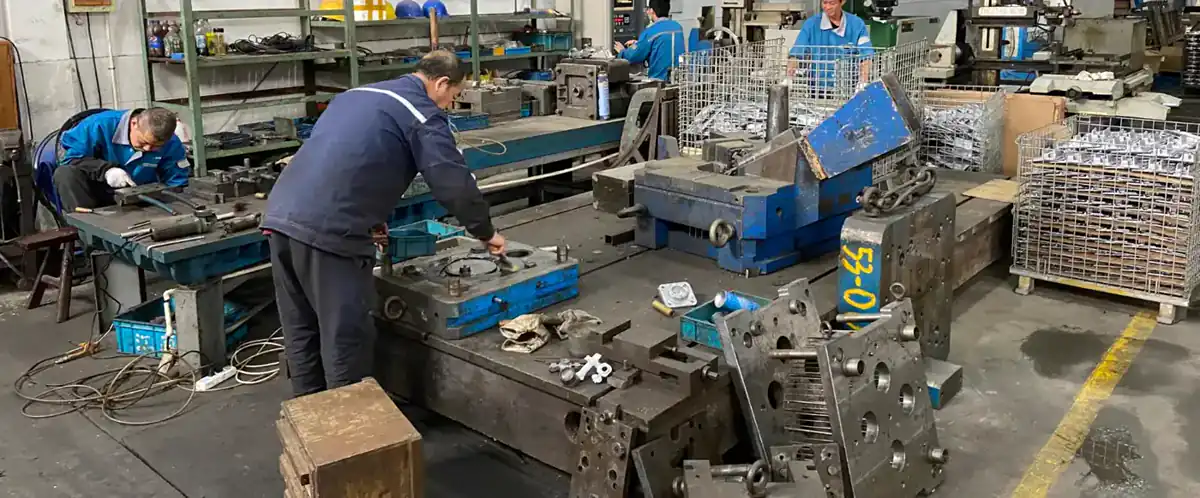
Die Casting Alloy
Material samples and cast components showcasing the alloy composition, grain structure, and as-cast surface quality.
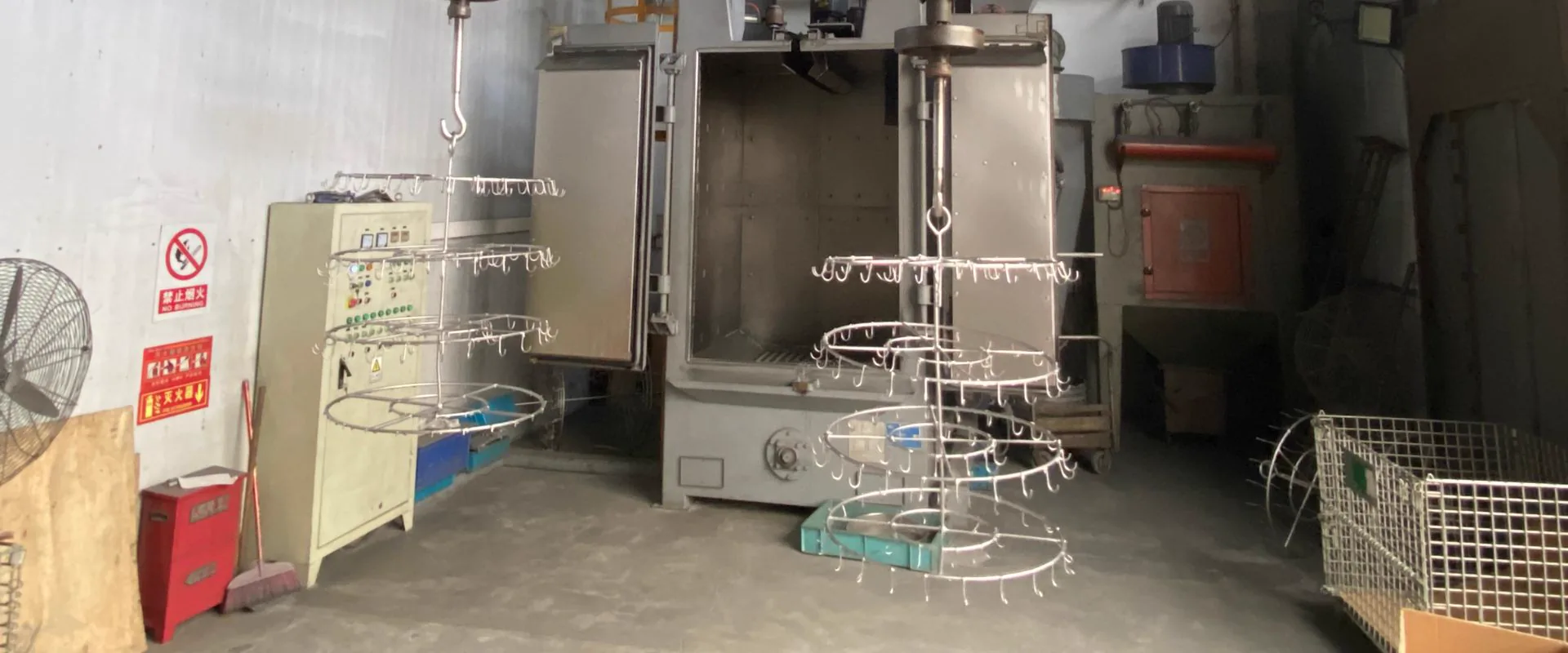
Application Component
Finished die cast parts where this alloy delivers the required mechanical properties and performance in production.
A355 aluminum is the copper-bearing, high-strength cousin of A356, common on legacy aerospace, pump, and crankcase drawings. Where A356 builds strength from magnesium, A355 adds 1.0 to 1.5% copper - which hardens the alloy, retains strength at moderately elevated temperatures, but costs some ductility and corrosion resistance. If you are quoting an older aircraft fitting or hydraulic housing that calls out 355.0 or A355 T6, this page covers what the spec actually requires.
A355 Aluminum Chemical Composition
Composition limits per the Aluminum Association for A355 (355.0), weight percent:
| Element | Limit (wt%) |
|---|---|
| Silicon (Si) | 4.5 to 5.5 |
| Copper (Cu) | 1.0 to 1.5 |
| Magnesium (Mg) | 0.40 to 0.60 |
| Iron (Fe) | 0.60 max |
| Manganese (Mn) | 0.50 max |
| Zinc (Zn) | 0.35 max |
| Titanium (Ti) | 0.25 max |
| Chromium (Cr) | 0.25 max |
| Others, each | 0.05 max |
| Others, total | 0.15 max |
| Aluminum (Al) | Balance |
Note the difference from A356: A355 carries moderately less silicon (4.5-5.5% against A356's 6.5-7.5%) and deliberately adds 1.0-1.5% copper, which A356 restricts to 0.20% max. Also note that A355's iron limit (0.60% max) is far looser than A356's 0.20% max - the "A" prefix does not mean low iron here.
Mechanical Properties (A355-T6)
Specification minimums for 355.0-T6 sand cast per Aluminum Association data (as published by MatWeb):
| Property | A355-T6 (spec minimum) |
|---|---|
| Tensile strength (UTS) | 221 MPa min |
| Yield strength (0.2% offset) | 138 MPa min |
| Elongation | 2.0% min |
| Hardness | 70 to 105 HB |
| Density | approx. 2.71 g/cm3 |
These are specification minimums, not typical values. Well-run foundry production in sound sections and full T6 temper routinely exceeds the minimums, but actual results depend on process, section thickness, and temper - confirm against the applicable specification for your part.
A355 vs A356
This is the question most buyers land on, and the two alloys solve different problems:
| Characteristic | A355 | A356 |
|---|---|---|
| Primary strengthening addition | Copper (1.0-1.5%) | Magnesium (0.25-0.45%) |
| Silicon content | 4.5-5.5% | 6.5-7.5% |
| T6 spec minimum tensile / yield | 221 / 138 MPa | 234 / 165 MPa |
| T6 spec minimum elongation | 2.0% | 3.5% |
| Corrosion resistance | Lower - Cu-rich phases promote localized galvanic corrosion | Better |
| Elevated-temperature strength | Better strength retention at moderate temperature | Lower |
| Castability | Less forgiving | More forgiving |
| Weldability | Lower | Better |
| Density | approx. 2.71 g/cm3 | 2.68 g/cm3 |
| Melting range | approx. mid/upper-500s to low/mid-600s °C | 557-613 °C |
Selection guidance: the A355 vs A356 choice is usually made for you by the drawing. A355 wins where copper's elevated-temperature strength retention is the reason it was specified - typically legacy aerospace and engine-adjacent castings. For new designs requiring ductility, corrosion resistance, weldability, and easier casting, A356 is the modern default. (The A356 figures above are specification minimums for a fair comparison; KastMfg's A356 page lists typical production values of 260-310 MPa tensile for T6 parts.)
A355 Variants and Designations
| Designation | What it means |
|---|---|
| 355.0 | Base Aluminum Association alloy |
| A355.0 | Composition variant of 355.0 - in AA nomenclature, the letter prefix marks a variant composition of the base alloy, not a quality grade |
| C355.0 | Higher-strength variant of the 355 family, identified by ASM alongside 355.0 |
Do not treat A355 and 355 as interchangeable without checking the applicable specification - the "A" variant has its own composition envelope. And contrary to a common assumption, the "A" does not automatically indicate low iron: A355 still permits 0.60% Fe, versus A356's 0.20% max.
Casting Processes for A355
A355 is a gravity-family alloy:
- Sand casting - the classic route for 355.0-T6 aerospace and machinery castings
- Permanent mold casting - higher consistency for repeatable parts
- Gravity die casting - good dimensional control with the process A355 was designed around; see our gravity die casting and low pressure die casting capability
A355 can technically be pressure die cast, but it is uncommon in high-pressure die casting (HPDC). HPDC economics favor high-fluidity alloys like A380 or ADC12, and conventional HPDC castings trap enough gas to blister during the solution treatment stage of full T6 - the very heat treatment that gives A355 its value. If a program needs HPDC volumes, switch the alloy; if it needs A355-T6 properties, switch the process.
T6 Heat Treatment for A355
The A355 T6 temper - solution treatment, quench, and artificial aging - is what unlocks the strength figures above. Exact solution and aging temperatures and hold times are specification-dependent, so confirm the cycle against the governing spec or producer datasheet rather than a generic chart. KastMfg runs T6 cycles with hardness verification per casting batch.
Applications
Typical A355 cast aluminum applications:
- Aircraft and aerospace fittings
- Pump and valve housings
- Hydraulic components
- Crankcases and engine-related housings
- Structural machinery castings
Frequently Asked Questions
What is A355 aluminum?
A355 aluminum alloy is a copper-bearing aluminum casting alloy (AA 355.0 family) with 4.5-5.5% silicon and 1.0-1.5% copper. It is a heat-treatable, high-strength casting alloy used mainly for legacy aerospace fittings, pump housings, hydraulic components, and crankcases.
What is the difference between A355 and A356?
A355 adds copper for strength and elevated-temperature performance; A356 adds magnesium and restricts copper. A356 delivers better ductility (3.5% vs 2.0% minimum elongation), better corrosion resistance, better weldability, and more forgiving castability. A355 retains strength better at moderately elevated temperatures.
What are the mechanical properties of A355-T6?
Specification minimums for 355.0-T6 sand cast are 221 MPa tensile, 138 MPa yield, 2.0% elongation, and 70-105 HB hardness. Typical foundry values run higher and depend on process, section, and temper.
Can A355 be die cast?
A355 is designed for sand, permanent mold, and gravity casting. It can be pressure die cast but is uncommon in HPDC: standard HPDC alloys (A380, ADC12) are preferred for economics, and trapped die-casting gas can blister during T6 solution treatment.
What is the difference between 355 and A355?
In Aluminum Association nomenclature, the letter prefix marks a composition variant of the base alloy - A355 is a variant of 355.0, not a quality grade. Check the applicable specification before treating them as interchangeable; the same family also includes the higher-strength C355.0.
Related Materials
- A356 aluminum - the sister alloy and modern structural default
- A380 aluminum - the HPDC workhorse for high-volume programs
- die casting materials - full alloy selection guide
- aluminum casting alloys guide - how to choose the right alloy
- gravity die casting - the process A355 is designed for
Have a legacy drawing calling out A355? Send it to casting@kastdiecast.com - we will confirm the alloy, process and heat treatment and quote the casting | +86 138 1403 4409 | No.6, Rungu Road, Nanjing, China
Related Resources
Next steps for A355 aluminum
A356 Aluminum Casting - Properties, T6 & Uses
A356 aluminum casting alloy: composition, mechanical properties, T6 heat treatment, and when to choose A356 vs A380 for gravity, low pressure, and die casting programs.
Material GuideA413 Aluminum Die Casting | Pressure-Tight Alloy
A413 aluminum alloy is used for pressure-tight die casting in hydraulic and pneumatic parts. Review composition, properties, and application guidance.
Material HubMaterials Hub
Compare aluminum, zinc, and magnesium alloy options for your application.
ServiceAluminum Die Casting
Review alloy selection, wall thickness, and finishing options for aluminum parts.
CapabilityQuality Control
Review inspection workflow, traceability support, and process control standards before launch.
Process GuideDie Casting Process
See how casting, trimming, machining, finishing, and inspection fit together in production.
Need a Quote for Your Project?
Our engineering team is ready to review your requirements and provide competitive pricing with fast turnaround.
Request a Quote