Die Casting vs Permanent Mold Casting: Which to Choose?
Die casting vs permanent mold (gravity die casting) compared: process, cycle time, tooling cost, tolerances, porosity, heat treatment, and volume range - with a decision framework for buyers.

Technical Director, Die Casting Engineering
Blog Visual Plan
Article visuals for die casting vs permanent mold
These visuals use your current KastMfg image library now, and they will automatically switch to article-specific images when you add them later.
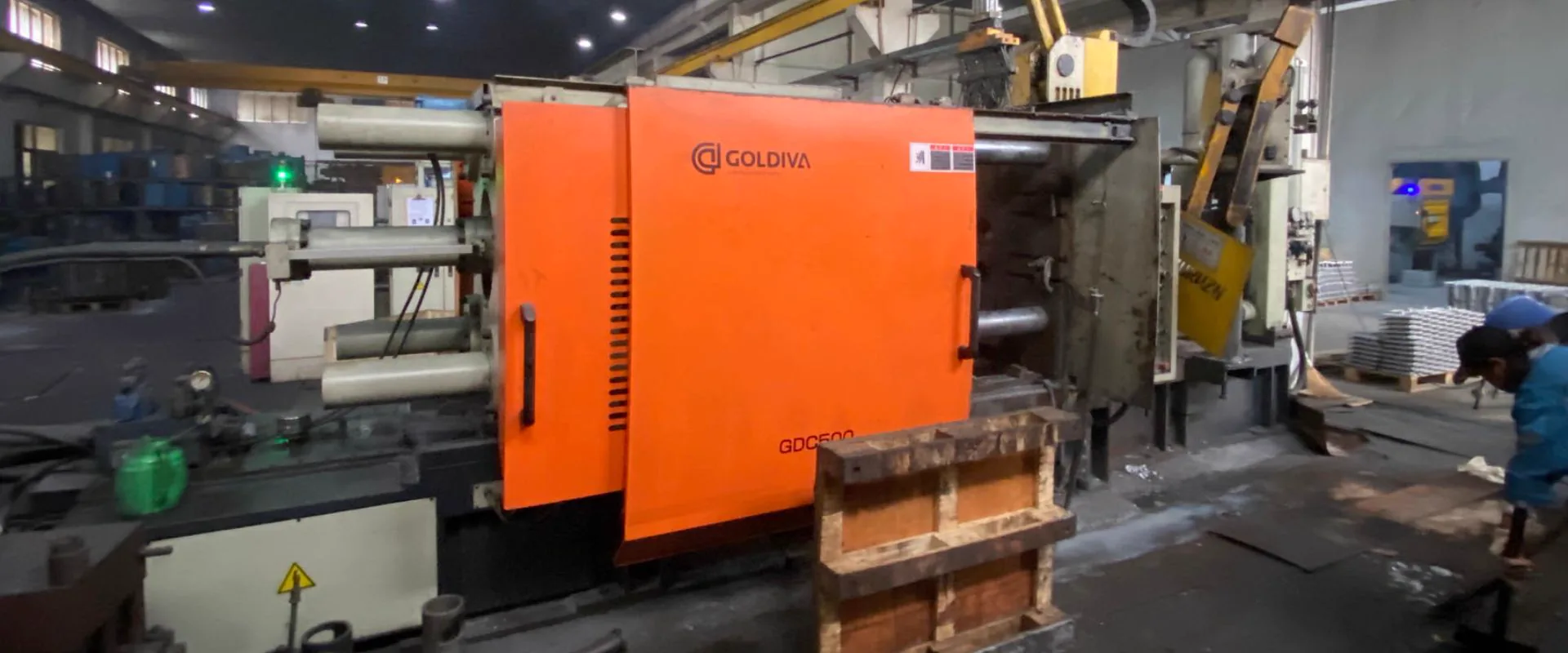
Lead Technical Image
Add a hero-level manufacturing, tooling, or component image that reinforces the article topic above the body copy.
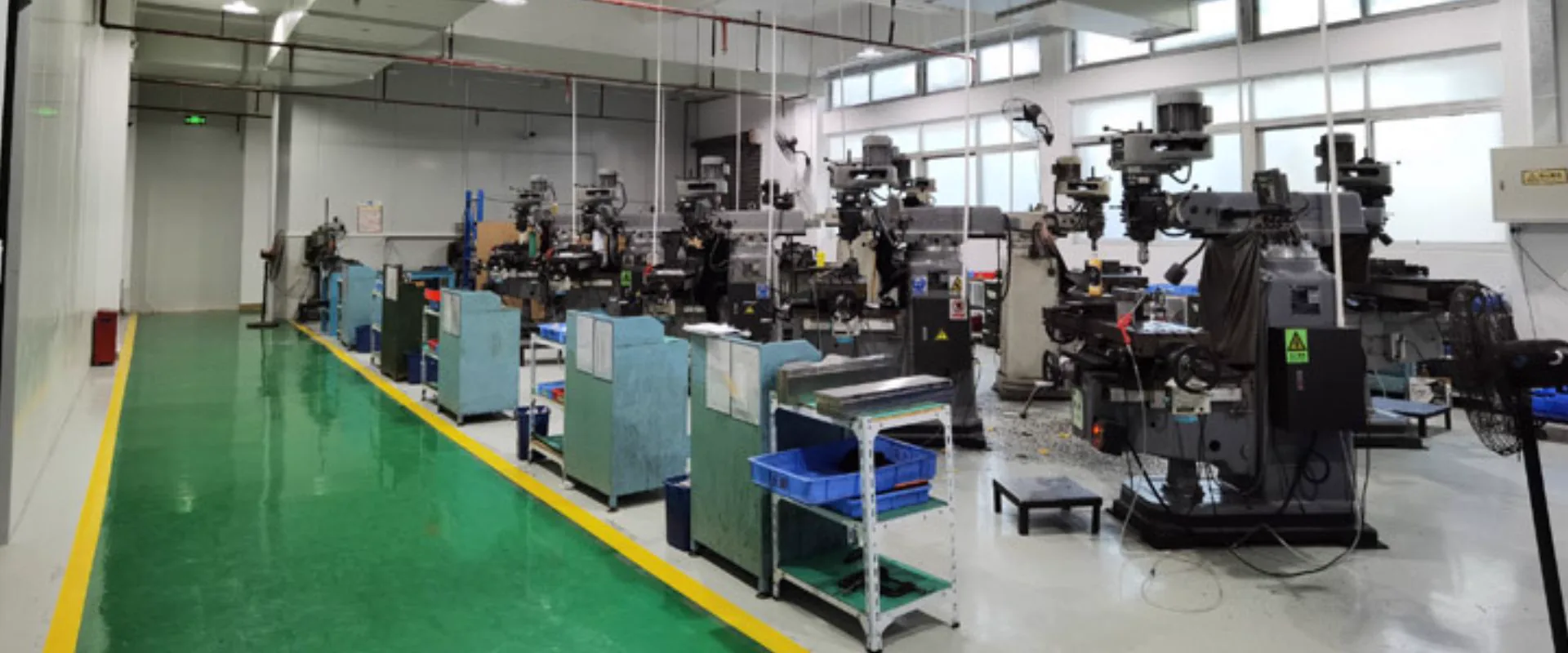
Comparison or Detail Image
Reserve a second image for an alloy comparison, defect example, tooling detail, or application close-up deeper in the article.
Die casting and permanent mold casting are both metal mold processes - both use reusable steel or iron dies rather than expendable sand. The difference is how the metal gets in: die casting injects molten metal under high pressure, while permanent mold casting lets gravity (or a slow tilt) do the filling.
That one difference drives everything else - cost, speed, porosity, tolerances, and heat treatment. Here is a practical comparison to help you choose.
Choosing the process for a live program? The planning line from the cost section below: above roughly 5,000-10,000 parts a year, die casting's higher tooling cost is repaid by cycle time and as-cast detail; below it, permanent mold usually wins. KastMfg runs high-pressure die casting on 16 cold-chamber machines from 160T to 1,600T, with in-house tooling, CNC machining and finishing. See high pressure die casting, capabilities, or send the part and annual volume to the RFQ desk.
The Core Difference
| Die casting | Permanent mold casting | |
|---|---|---|
| Fill method | High-pressure injection (up to 25,400 PSI) | Gravity or slow tilt fill |
| Cycle time | 30-90 seconds | 1-5 minutes |
| Tooling cost | $10,000-$200,000+ | $2,000-$25,000 (often 3-10x cheaper) |
| Porosity | Higher (turbulent fill traps gas) | Lower (laminar fill) |
| Heat treatment | Limited - blistering risk | T6 possible for alloys like A356 |
| Best volume | 10,000+ parts/year | 500-10,000 parts/year |
Permanent mold casting is essentially gravity die casting - the two terms are used interchangeably. The comparison below uses them as synonyms.
Process Comparison
Die casting forces metal into a hardened steel die at high speed (30-60 m/s). The metal solidifies almost instantly, and the die opens and ejects the part within seconds. This extreme speed is what makes thin walls and high output possible - and what creates the gas-entrapment porosity that limits heat treatment.
Permanent mold casting pours metal into a reusable mold under gravity. The fill is slow and laminar, so less air is trapped. The metal solidifies more gradually, producing a denser, sounder casting. Cycle times are minutes rather than seconds, and tooling is far cheaper because there is no high-pressure injection system to engineer.
Surface Finish and Tolerances
- Die casting: typically 20-120 RMS (0.4-3.2 µm Ra), with tighter tolerances of roughly ±0.1-0.3 mm.
- Permanent mold: typically 200-420 RMS (2.5-6.3 µm Ra), with looser tolerances of roughly ±0.25-0.75 mm.
If you need a smooth as-cast finish and tight tolerances without machining, die casting wins. If the part will be machined anyway and the surface is less critical, permanent mold is competitive.
Porosity and Mechanical Properties
This is where permanent mold often has the edge:
- Die castings carry microscopic gas porosity from turbulent fill, which limits ductility and makes heat treatment risky - trapped gas can blister the surface at solution temperature.
- Permanent mold castings are generally sounder, with better strength and ductility, and can be heat treated to T6 for alloys like A356.
For structural or fatigue-sensitive parts, permanent mold's lower porosity matters. For cosmetic housings where porosity is not a concern, die casting is fine.
Heat Treatment
- Die casting: limited. Standard HPDC parts cannot reliably be T6 heat treated because of blistering.
- Permanent mold: yes. A356 and similar alloys are routinely heat treated to T6 for structural applications.
This is often the deciding factor: if your part must be heat treated to T6 (see heat treatment), permanent mold is usually the answer, unless you use vacuum die casting which removes enough gas to make heat treatment feasible.
Cost and Volume
The economic crossover sits around 5,000-10,000 units per year:
- Below that volume, permanent mold wins - its far cheaper tooling amortizes over fewer parts.
- Above that volume, die casting wins - the higher tooling cost is spread thin, and the faster cycle time drives unit cost down.
The exact break-even depends on part size, complexity, and automation level, but 5,000-10,000 parts/year is a solid planning guide.
Decision Framework
Choose die casting when:
- Volume exceeds ~10,000 parts/year.
- You need thin walls (down to 0.5-1 mm) and complex geometry.
- Smooth as-cast finish and tight tolerances matter.
- The part is a housing, cover, or cosmetic component.
Choose permanent mold casting when:
- Volume is moderate (500-10,000 parts/year).
- Lower tooling cost matters more than cycle time.
- You need low porosity, T6 heat treatment, or better strength/ductility.
- The part is structural - knuckles, calipers, brackets, and similar load-bearing parts.
If you land on the die casting side of this list, the next step is a DFM review with a die casting supplier — send the part drawing and get tooling cost, cycle time, and feasibility answers before committing to a mold.
Buying a Die Cast Mold: Steel, Die Life, and Ownership
If you landed on this comparison while sourcing tooling rather than choosing a process, this section is for you. The die is the single largest upfront cost in die casting, so it is worth knowing what you are buying before any steel is cut.
Tool steel choice. P20 is the standard for prototype and short-run dies: it machines quickly, costs less, and accepts design changes. H13 is the production choice - it keeps its hardness through the thermal cycling of aluminum casting temperatures without cracking. Match the steel to the expected shot count, not to the budget.
Die life differs sharply by alloy. Zinc dies routinely exceed 500,000 shots (300,000 to over 1,000,000 across real programs) because zinc pours at 385-390 C versus roughly 650 C for aluminum, so the thermal load on the cavity is far lower. Aluminum dies age differently: treat them as refurbishment items on a maintenance schedule rather than one-shot purchases, with actual life depending on alloy, part geometry, and how well the die is maintained.
What keeps a die alive. Gate and water-line maintenance, documented shot counts, and scheduled refurbishment are what separate a die that reaches its rated life from one that fails early. This is why in-house tool rooms matter - a shop that can service its own dies in days instead of weeks protects your production schedule. See our die casting tooling page for how dies are built and maintained.
Ownership. The customer owns the die. Ownership, maintenance responsibility, and transfer terms should be written into the tooling agreement before the die is cut, and customer-owned tooling should be documented and transferable if you ever move the program to another supplier.
Lead time. Plan on 3-5 weeks for a prototype single-cavity P20 die, 5-8 weeks for a production single-cavity H13 die, and 6-8 weeks for a multi-cavity H13 die. A die casting mold manufacturer in China with in-house machining and tryout can hold these windows; add buffer if part design changes arrive after die design sign-off.
Full tooling and production details are on our die casting capabilities page. Submit drawings through the RFQ page for a tooling quote.
FAQ
Is permanent mold casting the same as gravity die casting?
Yes. The terms are used interchangeably - both describe pouring or tilting molten metal into a reusable metal mold under gravity, as opposed to injecting it under high pressure. "Permanent mold" is the more common term in North American usage; "gravity die casting" dominates in European and Asian usage.
Permanent mold vs die casting — which one for a 50,000/year aluminum housing?
Above roughly 5,000-10,000 parts per year, high-pressure die casting usually wins on per-part cost because its faster cycle time spreads higher tooling cost over more parts. Below that crossover, permanent mold's cheaper tooling ($2,000-$25,000 vs $10,000-$200,000+) keeps it economical — and if the part needs T6 heat treatment or maximum ductility, permanent mold's lower porosity makes it the process to beat. The full decision framework is in the cost and volume section above.
Which is cheaper, die casting or permanent mold?
Permanent mold has much cheaper tooling ($2,000-$25,000 vs $10,000-$200,000+), so it is cheaper at low-to-moderate volume. Die casting becomes cheaper per part at high volume because its faster cycle time spreads tooling cost over more parts.
Can permanent mold castings be heat treated?
Yes. Because permanent mold castings have lower porosity, alloys like A356 can be heat treated to T6. Conventional die castings cannot reliably be heat treated because of blistering risk.
What is the volume crossover between the two processes?
The economic crossover is roughly 5,000-10,000 parts per year, depending on part size and complexity. Below that, permanent mold is usually more economical; above it, die casting wins.
How long does a die cast mold last?
It depends on the alloy and maintenance. Zinc dies routinely exceed 500,000 shots (300,000 to over 1,000,000 across real programs) because zinc pours at 385-390 C versus roughly 650 C for aluminum, so the thermal load on the cavity is far lower. Aluminum die life depends on the alloy, part complexity, gate and water-line maintenance, and scheduled refurbishment - plan aluminum dies as refurbishment items on a maintenance schedule rather than lifetime purchases.
Who owns the die cast mold?
The customer does. Customer-owned tooling is documented and transferable, and ownership, maintenance responsibility, and transfer terms should be written into the tooling agreement before the die is cut.
Related
- gravity die casting
- types of die casting
- vacuum die casting
- A356 aluminum
- die casting vs sand casting
KastMfg produces both high pressure and gravity die castings, so we can recommend the right process for your part rather than forcing a single method. Send us your drawing and our engineers will return a process recommendation with a quote.
About The Author
Mike Yao on die casting vs permanent mold
Technical Director, Die Casting Engineering
Technical Director at KastMfg with 20+ years in high-pressure die casting, leading engineering and program management across aluminum, zinc, and magnesium programs for automotive, EV, electronics, and medical OEMs worldwide.
View author profileRelated Reading
Keep exploring the blog
Die Casting vs Gravity Casting - Process & Cost
Die Casting vs Gravity Casting — Which Aluminum Casting Process Fits? High-pressure die casting and gravity casting both use metal molds, but they fill those molds in very diffe...
Mike Yao
3 min read
Die Casting Tooling Steel: H13 vs P20 Compared
H13 vs P20 Die Casting Tooling Steel - When to Use Each H13 and P20 are both tool steels, but they are not equal choices for die casting. H13 is the standard for production die...
Mike Yao
6 min read
Die Casting Tooling Cost - Factors & Ranges
Die Casting Tooling Cost — What Drives It and How to Reduce It Die casting tooling is typically the largest single upfront investment in a casting program. A simple single-cavit...
Mike Yao
6 min read
Aluminum vs Zinc Die Casting - How to Choose
Aluminum vs Zinc Die Casting — Choosing the Right Material for Your Part Aluminum and zinc are the two dominant die casting metals globally, together accounting for over 90% of...
Mike Yao
5 min read