Aerospace Die Casting: Alloys, Standards & Applications
Aerospace die casting explained: typical aircraft parts, A356/A357 aluminum and AZ91D magnesium alloys, AS9100 and NADCAP requirements, structural vs non-critical housings, and why high-integrity vacuum casting matters.
Production Capabilities
Supporting visuals for aerospace die casting
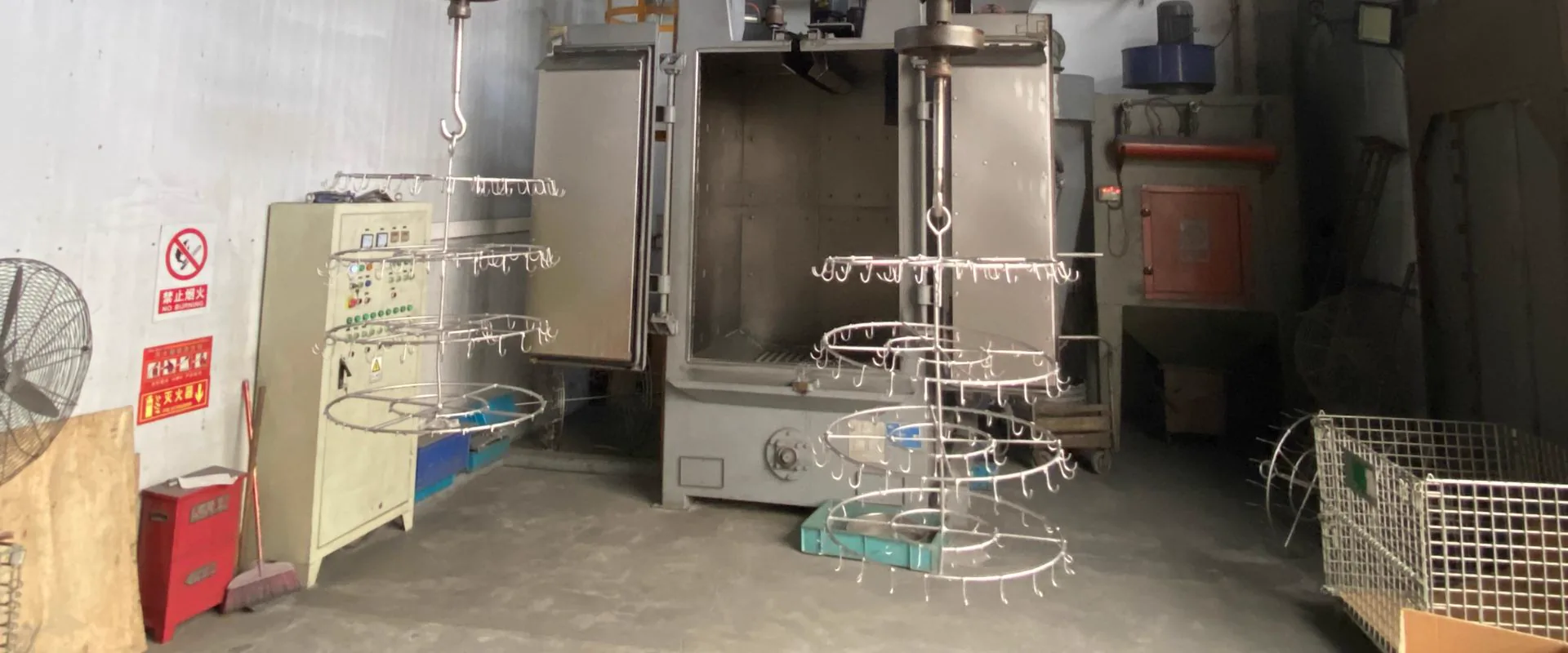
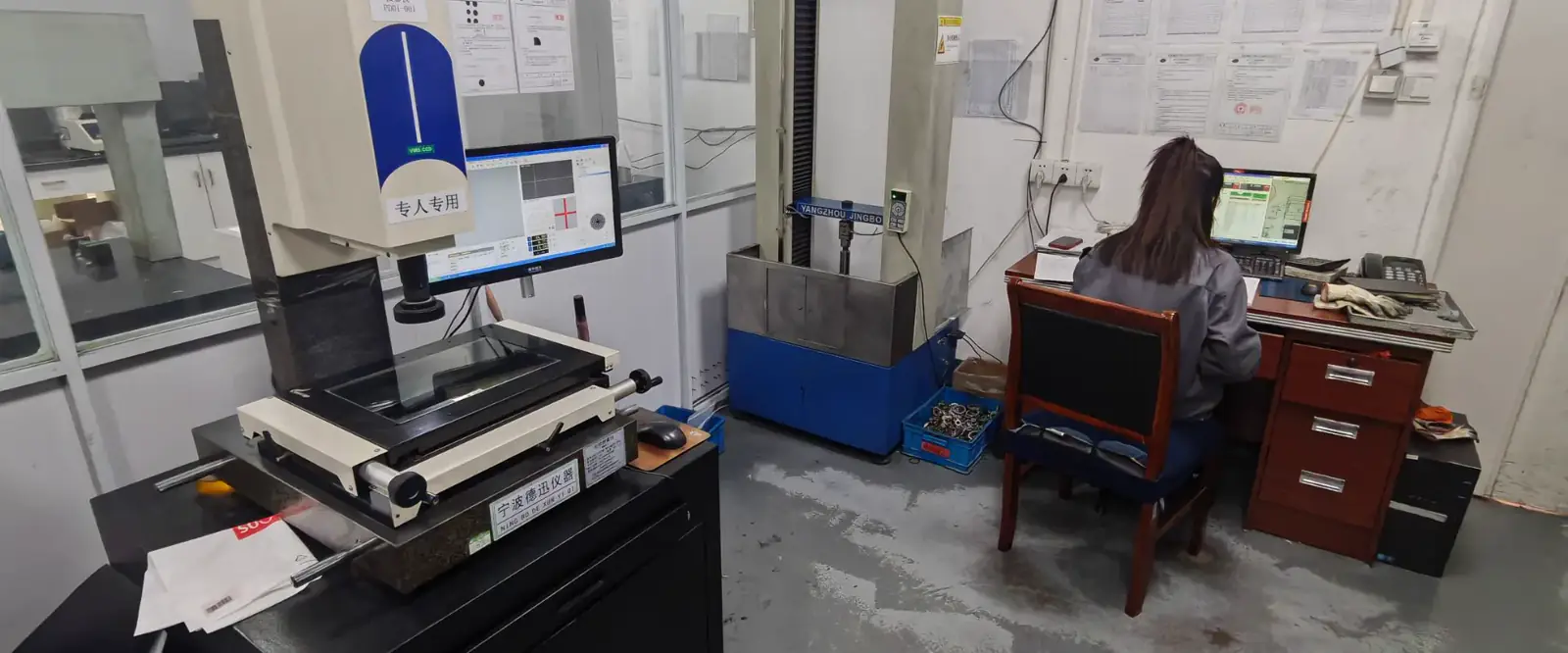
Manufacturing Operations
Die casting production, tooling fabrication, CNC machining, and quality inspection at our Nanjing facility.
Component Detail
Close-up views of cast components showing surface finish, dimensional features, and application-ready quality.
Aerospace die casting produces lightweight, near-net-shape parts - housings, covers, brackets, and enclosures - for aircraft, space, and defense programs. The parts are almost always aluminum or magnesium, and the defining requirement is not geometry but integrity: aerospace buyers demand low porosity, traceable material, and certified processes far beyond what commercial high pressure die casting typically delivers.
Typical Aerospace Die Cast Parts
- Avionics and electronics housings - enclosures that shield and mount instruments, sensors, and power electronics.
- Brackets, support frames, and fittings - lightweight mounting hardware where reducing mass matters but the part is not a primary airframe member.
- Pump and valve covers - precision covers for fluid systems.
- Ventilation and duct components - non-critical air-management hardware.
- Magnesium enclosures - ultra-light thin-wall housings where every gram counts.
Most aerospace die castings are non-structural: they protect and package components rather than carry primary load. True load-bearing aerospace castings are usually produced by high-integrity or vacuum-assisted processes rather than conventional HPDC.
Common Alloys
| Alloy | Type | Why it is used |
|---|---|---|
| A356 | Aluminum | Best fatigue behavior and low porosity; heat-treatable to T6 |
| A357 | Aluminum | Higher strength than A356 for structural-leaning parts |
| AZ91D | Magnesium | Maximum weight savings for thin-wall enclosures |
A356 and A357 dominate aerospace aluminum work because they combine good castability with heat-treatability and fatigue performance (see A356 aluminum). AZ91D is the magnesium workhorse where weight reduction justifies the extra process control magnesium demands (see magnesium die casting).
Quality Standards in Aerospace
- AS9100 - the core aerospace quality-management certification, built on ISO 9001 with additional aerospace traceability and risk controls. It is the baseline expectation for any aerospace die casting supplier.
- NADCAP - the special-process accreditation for heat treatment, nondestructive testing (NDT), welding, and materials testing. It is required when the supplier performs these operations in-house.
- Customer specifications - aerospace primes layer their own requirements for material traceability, first-article inspection, and process repeatability on top of AS9100 and NADCAP.
Buyers evaluating a supplier should confirm not just the certificate, but which processes are NADCAP-accredited and whether the quality lab can support the required NDT (see our inspection equipment and quality practices overviews).
Structural vs Non-Critical Castings
| Characteristic | Structural castings | Non-critical housings |
|---|---|---|
| Role | Carries load path or fatigue life | Protects and packages components |
| Typical alloy | A356 / A357 | A380, A356, AZ91D |
| Process | High-integrity or vacuum casting | Conventional or vacuum HPDC |
| Heat treatment | T6 required | Often as-cast |
| Qualification | Rigorous, often NADCAP NDT | Aerospace quality system |
The distinction drives cost. Non-critical housings can use conventional aluminum die casting with standard aerospace quality controls. Structural castings demand high-integrity processing, because conventional HPDC porosity causes blistering during heat treatment and reduces fatigue life.
Why High-Integrity and Vacuum Casting Matter
Conventional die casting traps gas during turbulent fill, leaving microscopic porosity. In aerospace applications this is unacceptable because:
- Porosity blisters during solution heat treatment, ruining surface finish and dimensional control.
- Fatigue life drops with internal voids - a serious risk for parts under cyclic loading.
- Crash and load performance becomes less predictable.
High-vacuum die casting removes air from the die cavity before injection, producing parts that are sound, heat-treatable, and mechanically predictable. This is why aerospace structural programs consistently specify vacuum or high-integrity casting (see vacuum die casting).
Design and Qualification Considerations
- Material traceability - aerospace parts require full lot traceability from ingot to finished casting.
- First-article inspection (FAI) - AS9102 FAI is standard, documenting every dimensional requirement against the drawing.
- NDT requirements - X-ray for internal soundness and dye-penetrant for surface cracks are common (see PPAP and FAI documentation).
- Supplier qualification - aerospace programs require extensive process capability and repeatability evidence before approval.
FAQ
What alloys are best for aerospace die casting?
A356 and A357 aluminum are the most common for structural-leaning parts because they are heat-treatable and fatigue-resistant. AZ91D magnesium is preferred for maximum weight savings in thin-wall enclosures.
Do aerospace parts need AS9100?
Yes. AS9100 is the baseline quality-management certification for any supplier serving aircraft, space, or defense customers. NADCAP accreditation is additionally required for special processes performed in-house, such as heat treatment and NDT.
Can conventional die casting be used for aerospace?
It can be used for non-critical housings and covers, but structural or fatigue-sensitive parts require high-integrity or vacuum-assisted casting to avoid porosity that blisters during heat treatment and reduces fatigue life.
What is the difference between structural and non-critical aerospace castings?
Structural castings carry load or fatigue life and require high-integrity processing and heat treatment. Non-critical housings mainly protect and package components and can often use conventional die casting with aerospace quality controls.
Related
KastMfg produces high-integrity aluminum die castings with in-house heat treatment, CNC machining, and traceability documentation for demanding aerospace-adjacent programs. For a process-fit review of an aerospace housing or bracket, send us your drawing.
Related Resources
Next steps for aerospace die casting
Structural Die Casting: High-Integrity Parts for Load-Bearing Use
Structural die casting explained: high-integrity processes that produce load-bearing, heat-treatable parts - vacuum casting, alloys, T6 treatment, and automotive and EV structural applications.
IndustryAutomotive Die Casting for Powertrain Components | IATF 16949
Automotive die casting for powertrain components: transmission housings, engine brackets, turbocharger housings, structural parts. IATF 16949 structured QMS with PPAP Levels 1-5 and APQP support.
Industry HubAll Industries
Browse automotive, electronics, lighting, and industrial die casting applications.
Case StudyCase Studies
See how similar programs were delivered across materials, tolerances, and export requirements.
CapabilityQuality Control
Review inspection workflow, traceability support, and process control standards before launch.
Process GuideDie Casting Process
See how casting, trimming, machining, finishing, and inspection fit together in production.
Need a Quote for Your Project?
Our engineering team is ready to review your requirements and provide competitive pricing with fast turnaround.
Request a Quote