Thixocasting (Semi-Solid Casting): Process & Applications
Semi-solid casting explained: thixocasting vs thixomolding vs rheocasting, process steps, alloys, mechanical properties vs HPDC, and where the process is used for high-integrity aluminum and magnesium parts.
Production Capabilities
Supporting visuals for thixocasting
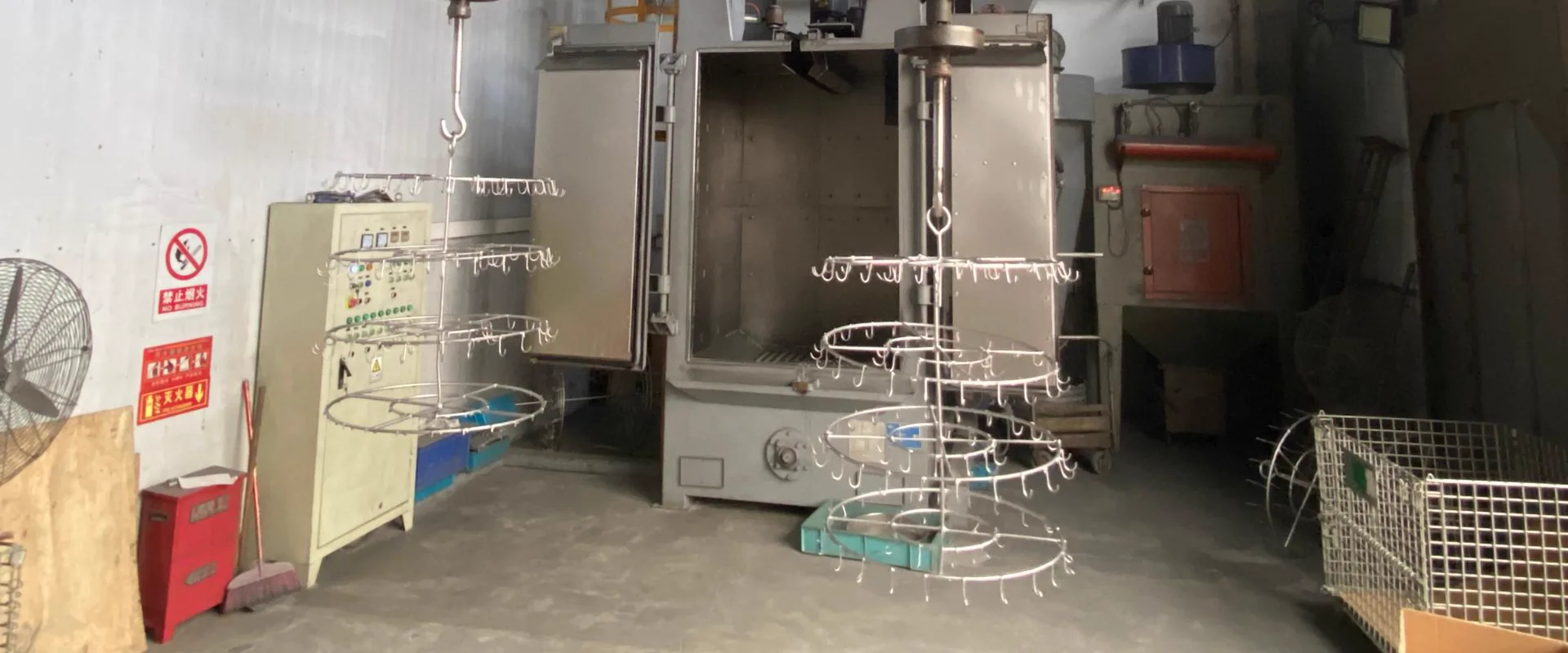
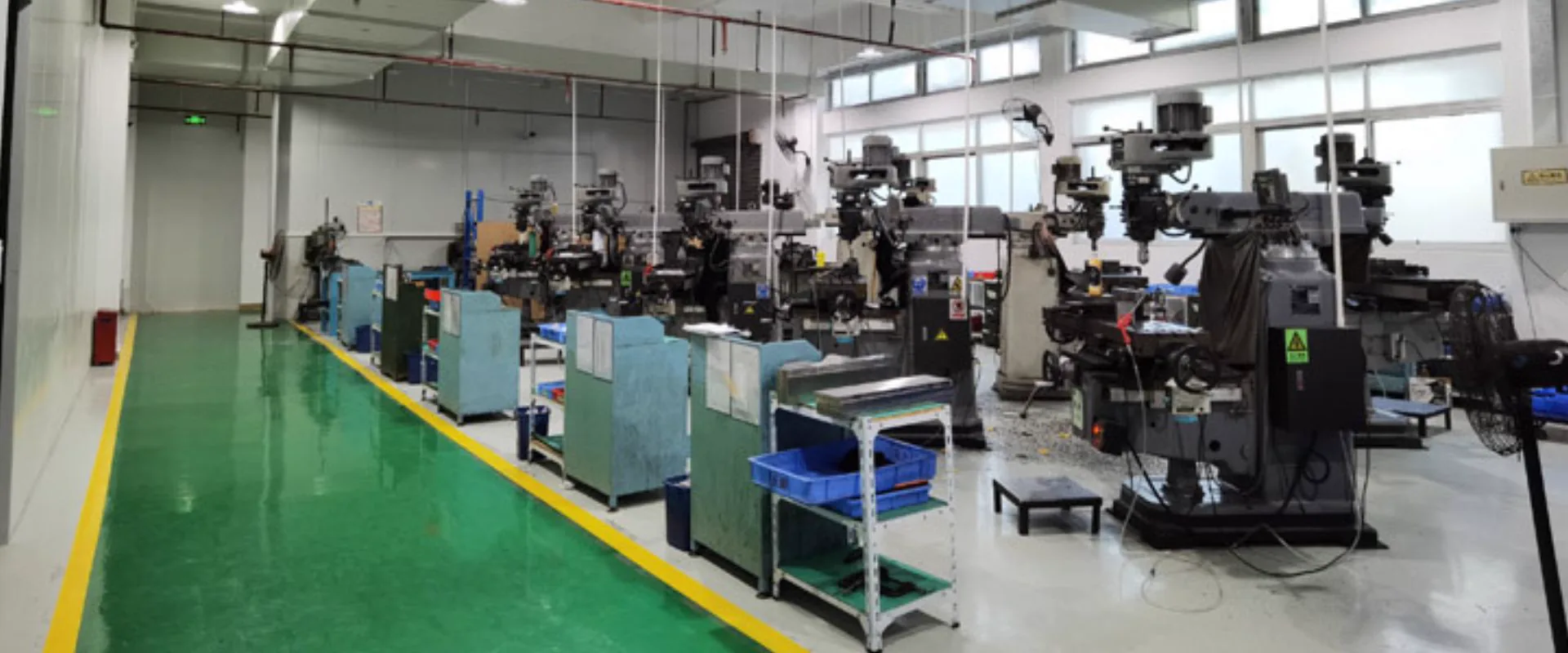
Manufacturing Operations
Die casting production, tooling fabrication, CNC machining, and quality inspection at our Nanjing facility.
Component Detail
Close-up views of cast components showing surface finish, dimensional features, and application-ready quality.
Thixocasting is a semi-solid metal forming process: instead of injecting fully molten metal, it injects an alloy held in a partially solidified, "slushy" state. The metal has a globular (non-dendritic) microstructure that flows like a viscous fluid under shear but holds its shape when the pressure is released.
For buyers, semi-solid casting fills a narrow but valuable gap. It delivers parts with near-zero internal porosity, better fatigue and ductility than high pressure die casting, and thin-wall capability that approaches conventional HPDC - at a cost that sits above HPDC but below squeeze casting for many geometries.
The Three Semi-Solid Routes
Semi-solid casting is a family of processes. The names are often confused, but the distinction is simply where the semi-solid slurry comes from.
| Route | Starting feedstock | How the slurry is made | Best known for |
|---|---|---|---|
| Thixocasting | Precast billet with globular grain | Billet slug reheated into the semi-solid range, then pressed into the die | High-integrity aluminum parts |
| Thixomolding | Magnesium granules / pellets | Screw barrel shears and partially melts the granules in situ | Thin-wall magnesium housings |
| Rheocasting | Molten alloy | Melt cooled and stirred into a globular slurry, then injected | Lower-cost, on-demand slurry from standard alloy |
The umbrella term you will most often see from suppliers is simply semi-solid casting or SSM (semi-solid metal). A related page covers thixomolding vs conventional die casting in more detail.
How Thixocasting Works
The thixocasting cycle has four stages:
- Billet production. A billet with a globular (non-dendritic) microstructure is produced first - typically by magnetohydrodynamic (MHD) stirring during continuous casting. This special feedstock is the main cost driver.
- Slug reheating. A cut slug is induction-heated to a precise temperature just above the solidus, holding roughly 40-60% liquid fraction. Temperature control is critical - a few degrees decide whether the slug holds shape or collapses.
- Injection. The semi-solid slug is injected into a preheated steel die at moderate speed. Because the metal is already partly solid, fill is laminar rather than turbulent, so little air is entrapped.
- Solidification and ejection. The part solidifies rapidly and is ejected. No high-speed shot sleeve means less gas and far fewer die-soldering issues.
Semi-Solid Casting vs High Pressure Die Casting
| Parameter | Semi-solid casting | High pressure die casting |
|---|---|---|
| Fill behavior | Laminar, viscous flow | Turbulent, high-speed (30-60 m/s) |
| Internal porosity | Very low, near pore-free | Some gas and shrinkage porosity |
| Mechanical properties | Higher ductility and fatigue | Good, but ductility limited |
| Heat treatment | T6 possible | Limited by blistering risk |
| Weldability | Good for aluminum | Poor to limited |
| Thin-wall capability | Good (down to ~1 mm) | Excellent (down to ~0.5 mm) |
| Cycle time | Slower | Very fast |
| Tooling cost | High | High |
| Feedstock cost | Higher (special billet / granules) | Standard ingot |
| Best volume range | Medium to high | High to very high |
The practical rule: choose HPDC when cost and thin-wall complexity dominate at high volume; choose semi-solid casting when the part must be leak-tight, heat-treatable, or fatigue-sensitive and HPDC porosity is unacceptable.
Suitable Alloys
- Aluminum A356 / A357 - the most common semi-solid aluminum choice, with strong T6 response for structural parts.
- A380 / ADC12-type alloys - feasible via rheocasting, which can use standard die-casting feedstock.
- Magnesium AZ91D and AM50/AM60 - the workhorse of thixomolding, ideal for thin-wall enclosures and brackets (see magnesium die casting).
- Copper and high-temperature alloys - technically possible but niche in commercial use.
Typical Applications
- Automotive: fuel rails, engine mounts, oil-pump housings, brake and steering components, gearboxes, control arms, and structural brackets. Fuel rails were among the first commercial thixocast parts because conventional casting could not meet their leak-tightness and strength requirements.
- EV and power electronics: heat sinks, LED fittings, and cooling units for inverters and chargers, complementing EV die casting programs.
- Consumer electronics: magnesium thixomolding dominates thin-wall laptop, phone, camera, and hard-disc housings.
- Industrial: radio filters, power electronics enclosures, and other thermally demanding housings.
Limitations to Consider
- Feedstock cost is higher - thixocasting needs specially prepared billet, and thixomolding needs alloy granules.
- Slower cycle time than HPDC, so unit cost rises at very high volumes.
- Smaller supplier base - semi-solid capacity is far less common than conventional HPDC, so a supplier audit is essential.
- Part size is limited by billet size and press capacity; very large castings still favor conventional HPDC or vacuum-assisted die casting.
When to Specify Semi-Solid Casting
Specify semi-solid casting when several of these apply:
- The part is pressure-tight or fatigue-sensitive, and conventional gas porosity is unacceptable.
- You need T6 heat treatment or welding, which conventional HPDC cannot reliably support.
- Walls are thin enough that squeeze casting is impractical, but you still want near-pore-free integrity.
- The volume justifies the higher feedstock and tooling cost.
FAQ
Is thixocasting the same as thixomolding?
No. Thixocasting starts from a precast billet that is reheated into the semi-solid state. Thixomolding starts from alloy granules that are sheared and partially melted inside a heated screw barrel. Both are semi-solid processes, but the equipment and feedstock differ.
What is the difference between thixocasting and rheocasting?
Thixocasting reheats a pre-made billet into the semi-solid range; rheocasting cools molten metal directly into a globular slurry and injects it. Rheocasting avoids the expensive billet step and can use standard die-casting alloy.
Can semi-solid aluminum parts be welded and anodized?
Yes. Because the microstructure is nearly pore-free, semi-solid aluminum parts weld and anodize with far fewer surface defects than conventional die castings.
How do semi-solid properties compare with HPDC?
Semi-solid parts typically show lower porosity, higher ductility, better fatigue resistance, and more consistent strength than HPDC parts of the same alloy - at a higher part cost.
Related
KastMfg produces high-integrity aluminum and magnesium parts by high pressure, vacuum-assisted, and semi-solid-compatible die casting with in-house CNC machining and heat treatment. If you are weighing semi-solid casting against HPDC for a porosity-sensitive program, send us your drawing for a free process-fit review.
Related Resources
Next steps for thixocasting
Centrifugal Die Casting: Process, Types & Applications
Centrifugal die casting explained: true centrifugal, semi-centrifugal, and centrifuging processes, suitable alloys and parts, and how it compares with high pressure die casting.
Process GuideDie Casting Steps From Metal to Finished Part
The six core die casting steps explained: die preparation, metal injection, solidification, ejection, trimming, and secondary operations after casting.
ToolingDie Casting Tooling
Connect process decisions back to gate design, thermal balance, and die maintenance planning.
CapabilityQuality Control
Review inspection workflow, traceability support, and process control standards before launch.
Process GuideDie Casting Process
See how casting, trimming, machining, finishing, and inspection fit together in production.
Next StepRequest a Quote
Send your drawing package and target volume to get an engineering-backed quotation.
Need a Quote for Your Project?
Our engineering team is ready to review your requirements and provide competitive pricing with fast turnaround.
Request a Quote