Robot Parts Die Casting - Joint, Gearbox & Sensor Components
Custom robot parts casting for joint housings, reducer and gearbox housings, servo motor housings, sensor brackets, and end effectors - aluminum and magnesium HPDC with CNC finishing.
Production Capabilities
Process visuals for custom robot parts casting
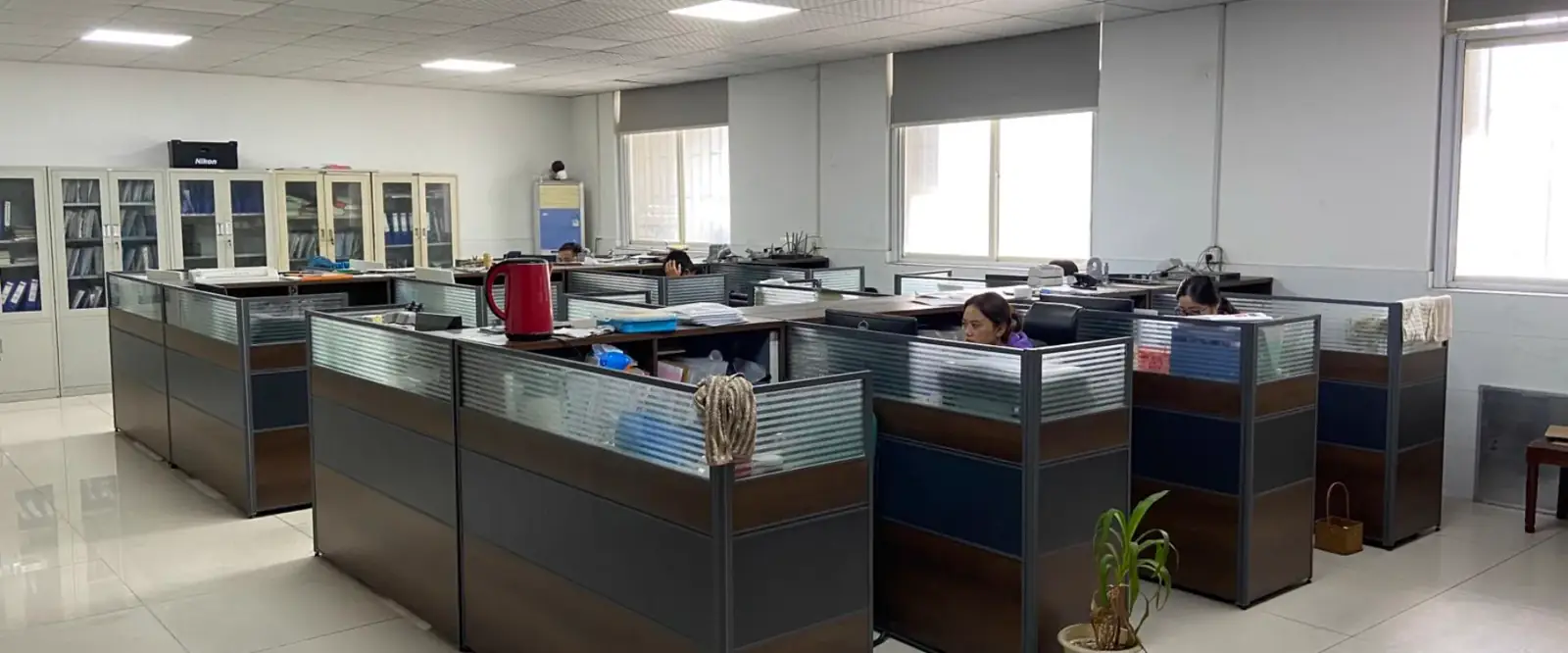
Process Overview
Core die casting processes, component types, and production setups for commercial manufacturing programs.
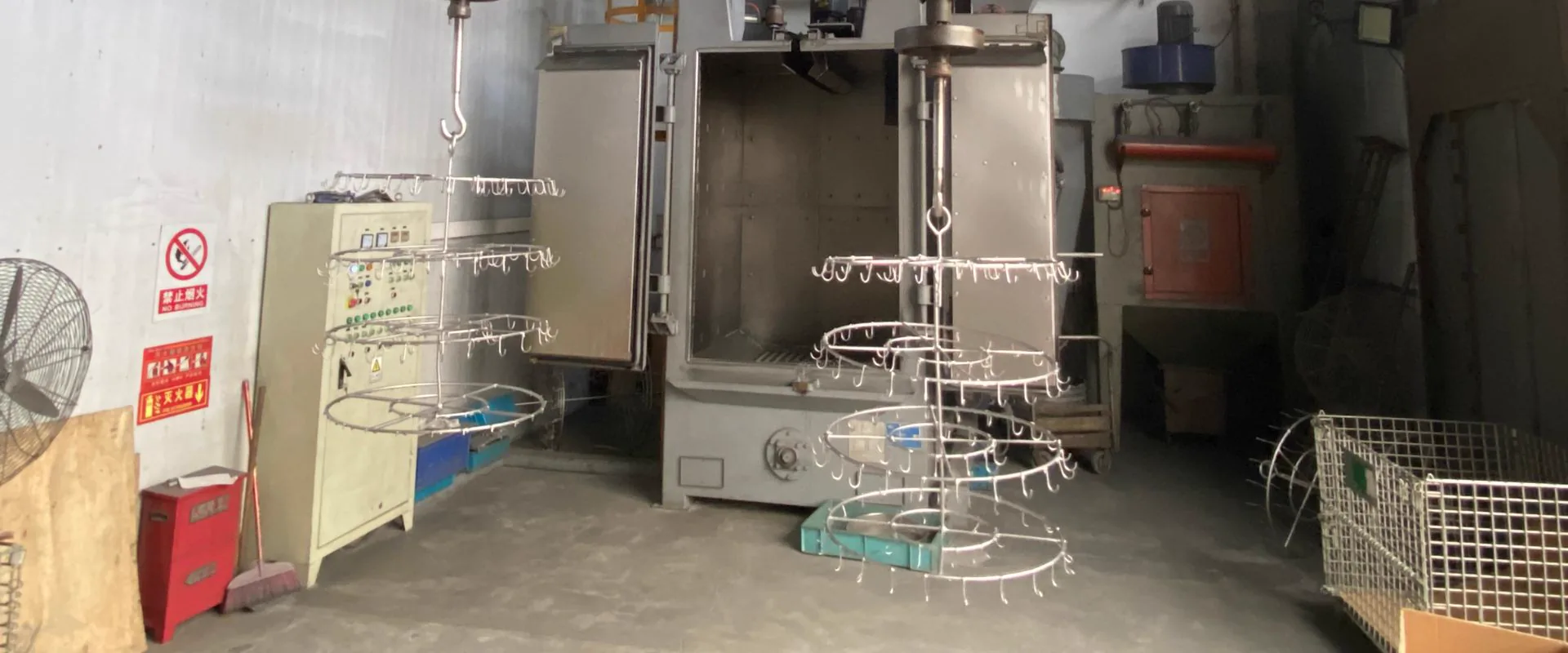
Technical Proof
Close-up and inspection images demonstrating dimensional accuracy, surface quality, and process control in production.
KastMfg manufactures custom robot parts casting for industrial robots and automation equipment: joint housings, reducer and gearbox housings (including harmonic reducer housings), servo motor housings and end covers, sensor brackets, cable routing brackets, and end effector bodies in aluminum and magnesium. We support programs from pilot builds to platform volume, with die casting tooling, CNC machining, finishing, assembly, and inspection under one roof in Nanjing, China.
Buyers typically come to us when a machined prototype works but cannot be produced at cost in volume. Die cast robot parts replace multi-hour machining cycles with near-net-shape castings, leaving only short CNC finishing operations on critical interfaces.
Robot Components We Cast
| Component | Why Die Casting Fits |
|---|---|
| Robot joint housings | Thin-wall shells with integrated bearing bosses; weight is cut where it matters most, at the outer end of the arm |
| Reducer and gearbox housings | Rigid, dimensionally consistent cavities; machining is reserved for gear and bearing interfaces |
| Servo motor housings and end covers | Heat dissipation ribs cast directly; flange and shaft interfaces CNC finished |
| Sensor and cable routing brackets | Small, complex brackets produced consistently in high volume |
| End effector bodies | High specific stiffness with mounting faces and locating features finished after casting |
| Arm structural links and covers | Near-net-shape structural sections with ribs, bosses, and sensor pockets integrated |
These parts are typical of our custom robot components casting work for robot OEMs and automation equipment builders.
Precision and Consistency
Robot gearboxes and joints live or die on mating feature accuracy. As a reference, NADCA linear tolerance guidelines for aluminum die castings are +/-0.25 mm for the first 25.4 mm in the standard grade and about +/-0.05 mm in the precision grade, with +/-0.025 mm added per additional 25.4 mm. These are reference values, subject to feature geometry and process capability. They apply only to linear dimensions formed in the same die half without slides or cores; parting line mismatch, slide-formed dimensions, and warpage are assessed separately.
In practice, critical mating features on robot parts - bearing seats, gear interfaces, locating faces, and sealing surfaces - are cast slightly oversize and CNC machined after casting. This is how we hold bearing seat accuracy on reducer housings and joint shells across a production run.
For the full picture, see die casting tolerances and our CNC machining service.
Alloy Selection for Robot Parts
| Alloy | Weight | Strength | Cost | Typical Robot Use |
|---|---|---|---|---|
| A380 aluminum | Medium | Good general-purpose strength | Baseline | Joint housings, brackets, general housings |
| ADC12 aluminum | Medium | Good, with excellent thin-wall castability | Similar to A380 | Reducer housings, motor housings, common in Asian supply chains |
| AZ91D magnesium | Lowest | Good for lightweight structural shells | Highest material cost | Arm and joint components where lower moving inertia matters |
A380 is the default for general robot parts die casting programs. ADC12 is widely used in Asian robot supply chains and casts thin walls well. Where weight reduction directly cuts moving inertia - arms, wrists, and joint shells - AZ91D magnesium is worth evaluating; see magnesium die casting.
From Pilot Builds to Platform Volume
Robot programs rarely start at full volume. KastMfg runs pilot builds and small-batch production with the same process discipline as full-rate output, then ramps tooling and capacity as the platform scales. For early quantities, see low volume die casting.
The addressable market is substantial. According to IFR data for 2024, annual installations of industrial robots worldwide reached roughly 542,000 units, with about 4.664 million units in operation. These are installation and installed-base figures: they describe the size of the robot market our parts serve, not casting output.
Humanoid robot programs may create future demand for lightweight cast housings and actuator bodies, but publicly verified production volumes remain limited.
Die Casting vs Machining for Robot Parts
Both processes have their place in a robot program. Die casting robot parts is usually the right choice when:
- Thin walls, ribs, and hollow sections must be formed directly to cut weight
- High specific stiffness is needed at minimum mass
- Bosses, cable routing channels, and sensor cavities can be integrated into one casting instead of assembled
- Batch-to-batch consistency matters across thousands of identical parts
- Material and machine-time savings justify tooling investment
Machining from billet is usually the better choice when:
- The part is a prototype or built in very small quantities
- Tolerances are tighter than casting can hold, even with finishing
- The design changes frequently and tooling cannot be amortized
Quality and Documentation
KastMfg operates 16 cold-chamber machines (160T-1,600T) plus hot-chamber zinc cells (80T-400T), with annual capacity above 12,000 tons across a 28,000 m2 facility in Nanjing. The company operates a documented quality system maintained with reference to ISO 9001, with automotive documentation aligned with IATF 16949.
For robot parts programs, documentation typically includes:
- Full-dimension first article inspection reports (FAI) before production release
- SPC monitoring on critical dimensions such as bearing seats and locating faces
- Material certification per heat lot
- Defined inspection plans agreed with the buyer before tooling starts
For the standards behind this, see die casting quality standards.
Frequently Asked Questions
How is bearing seat accuracy controlled in a harmonic reducer housing?
The bearing seats are cast oversize and CNC machined after casting. We submit a full-dimension first article report for buyer approval before production release, then monitor the critical dimensions with SPC during the run.
Can you produce magnesium robot arm parts?
Yes. We cast AZ91D magnesium for arm and joint components where lower moving inertia matters. Material choice is confirmed during DFM review based on strength, weight, corrosion, and cost requirements. See magnesium die casting.
What is your minimum order quantity for robot parts?
We accept pilot builds from about 50 pieces. The real question is process fit - for very small quantities machining may be cheaper, and we will say so. See low volume die casting.
Which alloy should I choose for robot housings?
A380 for general housings and brackets, ADC12 where thin-wall castability matters and the Asian supply chain is involved, AZ91D magnesium where weight directly reduces moving inertia. We recommend an alloy after reviewing your drawings.
Do you handle export?
Yes. KastMfg manages export packaging and shipping documentation for overseas robot and automation customers, in addition to casting, machining, finishing, and assembly.
Related
- robotics & automation industry page
- die cast motor housings
- die cast aluminum enclosures
- custom die casting
Robot parts casting inquiry: casting@kastdiecast.com | +86 138 1403 4409 | No.6, Rungu Road, Nanjing, China
Related Resources
Next steps for custom robot parts casting
Custom Aluminum Die Casting for OEM Parts
Custom aluminum die casting for OEM parts from drawings, including DFM, tooling, HPDC, CNC machining, finishing, inspection, and export packaging.
Commercial GuideOEM Die Casting Parts Manufacturer
custom OEM die casting parts from drawings, including tooling, HPDC, CNC machining, finishing, inspection, and export packaging.
Buyer GuideDie Casting In China
Compare landed-risk factors, communication expectations, and supplier screening criteria.
CapabilityQuality Control
Review inspection workflow, traceability support, and process control standards before launch.
Process GuideDie Casting Process
See how casting, trimming, machining, finishing, and inspection fit together in production.
Next StepRequest a Quote
Send your drawing package and target volume to get an engineering-backed quotation.
Need a Quote for Your Project?
Our engineering team is ready to review your requirements and provide competitive pricing with fast turnaround.
Request a Quote