Scroll Compressor Parts Die Casting - Housings, Frames and Flanges
Die casting for scroll compressor parts: aluminum housings, motor end frames, bearing housings, and discharge flanges with pressure-tight, leak-tested production for hermetic compressors.
Production Capabilities
Export and supplier visuals for scroll compressor parts
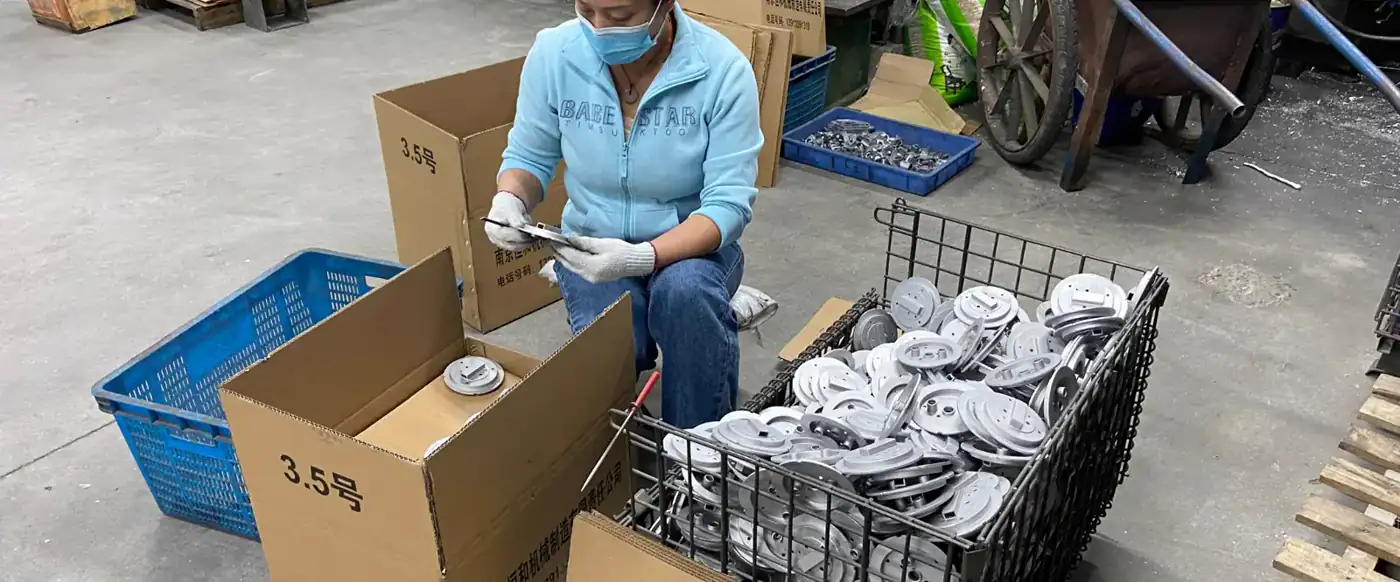
Export & Logistics
Export-ready packaging, palletized shipments, and logistics coordination supporting international die casting delivery.
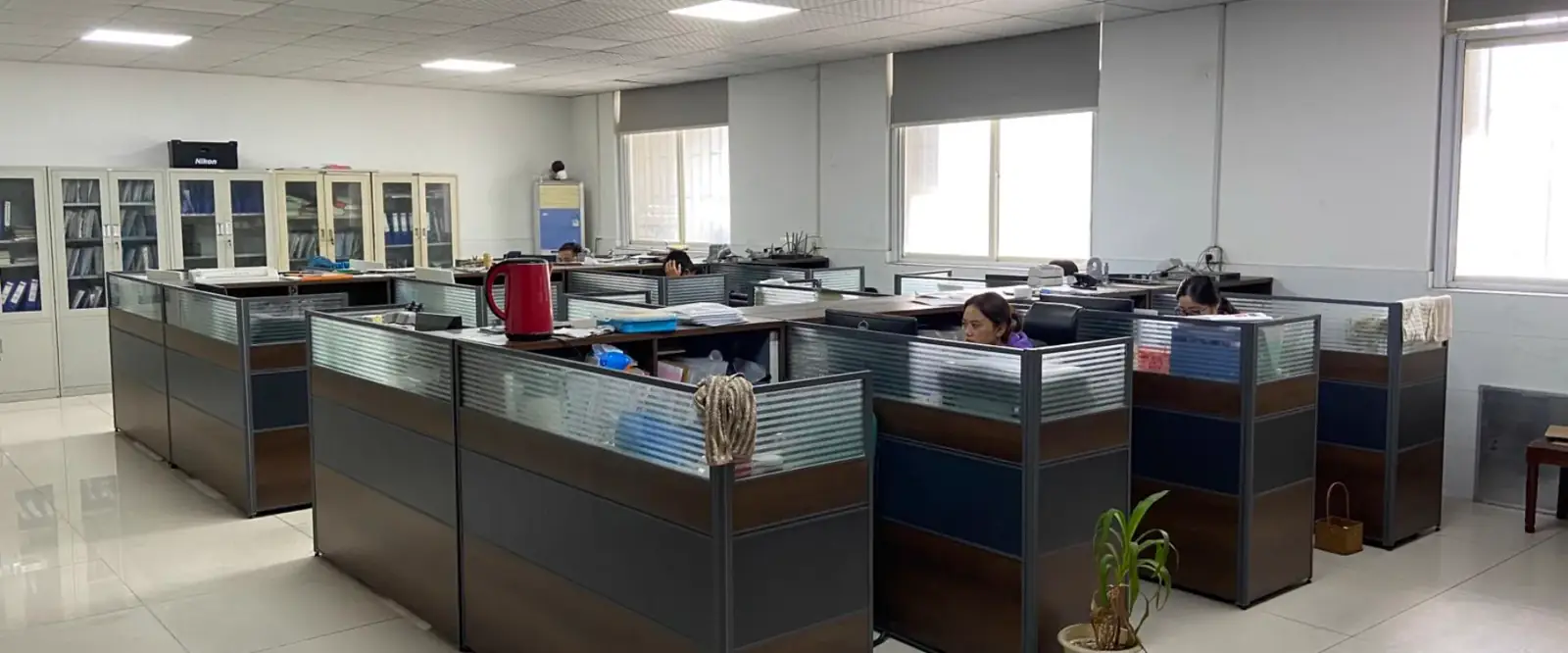
Facility & Team
Our manufacturing facility, quality laboratory, and engineering team supporting die casting programs across global markets.
KastMfg supplies aluminum die cast scroll compressor parts to compressor and HVAC system manufacturers: hermetic shell sections, motor end frames, bearing housings, scroll support housings, and suction and discharge flanges, delivered as machined, leak-tested finished components rather than raw castings.
Scroll compressors impose two requirements at once. The cast housing must hold refrigerant pressure and oil through years of vibration and thermal cycling, and the machined features that locate the fixed scroll, the orbiting scroll, and the eccentric drive shaft must be finished to tight geometric tolerance. Get either one wrong and the compressor leaks or loses volumetric efficiency. That combination sits squarely on KastMfg's core capability: high-pressure die casting, in-house tooling, CNC machining, and leak testing in one facility in Nanjing, China.
Which Scroll Compressor Components Get Die Cast
Aluminum die casting covers most of the structural envelope of a scroll compressor. The pressure boundary and the motor and bearing structure are the parts buyers most often bring to KastMfg:
| Component | Why die casting fits |
|---|---|
| Hermetic shell sections / housings | Large thin-wall aluminum enclosure; net-shape casting keeps mass low |
| Motor end frames and end covers | Stator location, terminal bosses, and mounting feet consolidated in one casting |
| Bearing housings / frames | Locates crankshaft bearings; cast near-net then finish-bored |
| Scroll support housings | Supports the fixed scroll; mounting-face flatness is critical |
| Discharge flanges | Pressure-containing cover; fewer joints than a fabricated assembly |
| Refrigerant port bosses and connectors | Threaded or brazed ports integrated into the casting |
| Oil sump / lower shell sections | Deep pressure-tight geometry with controlled wall thickness |
| Integrated brackets and mounting features | Ribs, feet, and lift points cast in place instead of welded on |
The fixed and orbiting scrolls themselves are a different story. Gray iron and ductile iron are common for the wraps because of strength, wear resistance, and low thermal expansion; aluminum wraps use high-silicon alloys (about 12-18% Si) to make up for wear and expansion, and mixed designs with an iron fixed scroll plus aluminum orbiting scroll exist. Wraps are typically machined from sand-cast or gravity-cast blanks, or produced by squeeze casting or forging. HPDC is used for some aluminum wraps, but turbulent die fill carries porosity and shrinkage risk, so high-load wraps lean toward squeeze casting. KastMfg runs squeeze casting as well and will tell you plainly which process a given wrap geometry warrants.
Pressure Tightness Is the Real Spec
A hermetic scroll compressor shell must stay sealed at operating pressure under vibration, thermal cycling, and continuous exposure to oil and refrigerant. Porosity control is therefore a tooling and process discipline, not an afterthought: gate design, fill pattern, shot profile, and die temperature all decide whether the casting can be sealed at all. Trouble spots are predictable - thick-to-thin transitions, boss roots, and the bearing housing region - and they are handled in the die design review before any steel is cut, not discovered at the leak tester.
KastMfg runs leak testing in-line and matches the method to the part and the customer specification: pressure decay, bubble testing, tracer gas, or helium mass spectrometry for the tightest requirements. Acceptable leak rates are defined by the compressor drawing, the customer's spec, and applicable regulations - we test to your stated limit and record results per lot instead of quoting a generic number that may not match your design.
Related process guides: pressure tight die casting and helium leak test vs pressure decay.
Machining the Features That Matter
The involute wrap geometry - wall height, wall thickness, baseplate flatness and parallelism, axial and radial clearances, the orbit eccentricity, and the Oldham anti-rotation coupling seats - is produced by finish machining, not by the die. Critical finished features are measured with micrometer-scale resolution, with flatness and parallelism callouts held to the um-level values on the drawing, inspected on CMM.
Bearing bores, scroll mounting faces, shaft seal areas, and flange faces get their final geometry in KastMfg's CNC shop, so the casting and machining strategies are planned together from the tool design stage onward. That is the practical advantage of one facility instead of a casting vendor plus a machining vendor: nobody ships a housing and hopes the machinist can save it. See die casting CNC machining.
Aluminum wear surfaces that run against seals or mating wraps get the surface treatment the compressor maker specifies - tip seals, anodizing, or electroless nickel - because coating thickness changes clearances. KastMfg applies the specified finish; the compressor designer owns the clearance stack-up. Masking and coating thickness records are kept per lot, so traceability survives an audit.
EV Thermal Management Is Growing This Segment
Electric scroll compressors for vehicle air conditioning and thermal management run independent of engine or traction motor speed, which pushes designs toward low mass, high speed, compact packages, and motors and inverters integrated into the compressor housing. That is growing attention on aluminum die cast housings in this segment: vehicle compressor cost studies already describe main housings and scroll housings as machined aluminum die-cast parts.
For housing suppliers the practical difference in EV work is iteration speed. Scroll compressor programs revise housings frequently - port positions, inverter mounting, thermal interface changes - and an in-house tool shop turns those revisions around without re-quoting the whole program. KastMfg's machine range covers these housing sizes, and in-house tooling supports the design iterations EV programs typically go through.
Why KastMfg for Compressor Programs
The economics of a compressor housing program reward suppliers who absorb the whole process. KastMfg's pitch is integration - one quote, one project engineer, one quality system, and one shipment:
- Machine range: 16 cold-chamber machines (160T-1,600T) plus hot-chamber zinc cells (80T-400T), 12,000+ tons of annual capacity across a 28,000 m2 facility - from port bosses to full shell sections.
- Quality system: documented quality system maintained with reference to ISO 9001 and aligned with IATF 16949 documentation practices, with PPAP-capable documentation for automotive-adjacent programs.
- One facility: die design and tooling in-house, HPDC in aluminum, zinc, and magnesium, CNC machining, surface finishing, leak testing, and export packaging under one roof - no hand-offs between casting and machining vendors.
- Compressor experience: current compressor component work includes compressor friction discs, and the same pressure-tight discipline carries over to housings, frames, and flanges.
- Export-ready: English-language project engineers, full export documentation, and consolidated sea or air freight from Nanjing.
Frequently Asked Questions
Short answers to the questions compressor engineers usually ask before sending a housing drawing. Anything beyond these, ask directly - a project engineer replies within 48 business hours.
Can you die cast the scroll wraps themselves? HPDC is used for some aluminum wraps, but turbulent fill brings porosity and shrinkage risk, and high-load wraps are usually squeeze cast, forged, or machined from sand-cast or gravity-cast blanks. Send the drawing and we will recommend the honest process fit - including squeeze casting where it earns its cost.
What leak testing do you offer? Pressure decay, bubble testing, tracer gas, and helium mass spectrometry, run in-line. The acceptable leak rate comes from your drawing, customer specification, or applicable regulation; we build the test protocol around your stated limit.
Which alloy do you recommend for compressor housings? Most hermetic housings and end frames run in standard aluminum die casting alloys with good castability and pressure tightness. Final selection depends on pressure class, integrated threads and bosses, and thermal requirements - we confirm it at DFM review.
What is your MOQ for compressor parts? It depends on part size, cavity count, and annual volume; housing programs are typically quoted per cavity and per year. Prototype tooling and pre-production runs are available before you commit to production tooling.
Do you machine the castings as well? Yes. Casting and CNC machining sit in the same facility, so bearing bores, scroll mounting faces, and flange faces are machined and inspected with micrometer-scale resolution without the part ever leaving the plant. First-article inspection reports and material certificates ship with the parts.
Related
Further reading on the process capabilities behind this page:
- pressure tight die casting
- die casting CNC machining
- helium leak test vs pressure decay
- custom die casting
- squeeze casting
Scroll compressor housing or flange program? Send the drawing and leak-test spec to casting@kastdiecast.com | +86 138 1403 4409 | No.6, Rungu Road, Nanjing, China
Related Resources
Next steps for scroll compressor parts
Die Casting Supplier for Canada Buyers
Die casting supplier for Canadian buyers: ISO 9001 aluminum and zinc HPDC, ocean freight to Vancouver and Montreal, and full export documentation.
Market GuideDie Casting Supplier India - ISO 9001, Export Ready
Die casting supplier for India buyers: documented quality system maintained with reference to ISO 9001 aluminum, zinc and magnesium castings, direct ocean freight to Mumbai and Chennai, USD and LC payment, and full export documentation.
Market GuideDie Casting In China
Review supplier evaluation, communication, and export-risk checkpoints for overseas sourcing.
Case StudyCase Studies
Use recent projects to compare capability, documentation depth, and manufacturing fit.
CapabilityQuality Control
Review inspection workflow, traceability support, and process control standards before launch.
Process GuideDie Casting Process
See how casting, trimming, machining, finishing, and inspection fit together in production.
Need a Quote for Your Project?
Our engineering team is ready to review your requirements and provide competitive pricing with fast turnaround.
Request a Quote