PPAP for Die Casting Buyers - Levels & Documents
Practical PPAP for die casting buyers: levels 1-5, required documents, sample submissions, dimensional reports, and approval responsibilities.

Technical Director, Die Casting Engineering
Blog Visual Plan
Article visuals for PPAP for die casting buyers
These visuals use your current KastMfg image library now, and they will automatically switch to article-specific images when you add them later.

Lead Technical Image
Add a hero-level manufacturing, tooling, or component image that reinforces the article topic above the body copy.
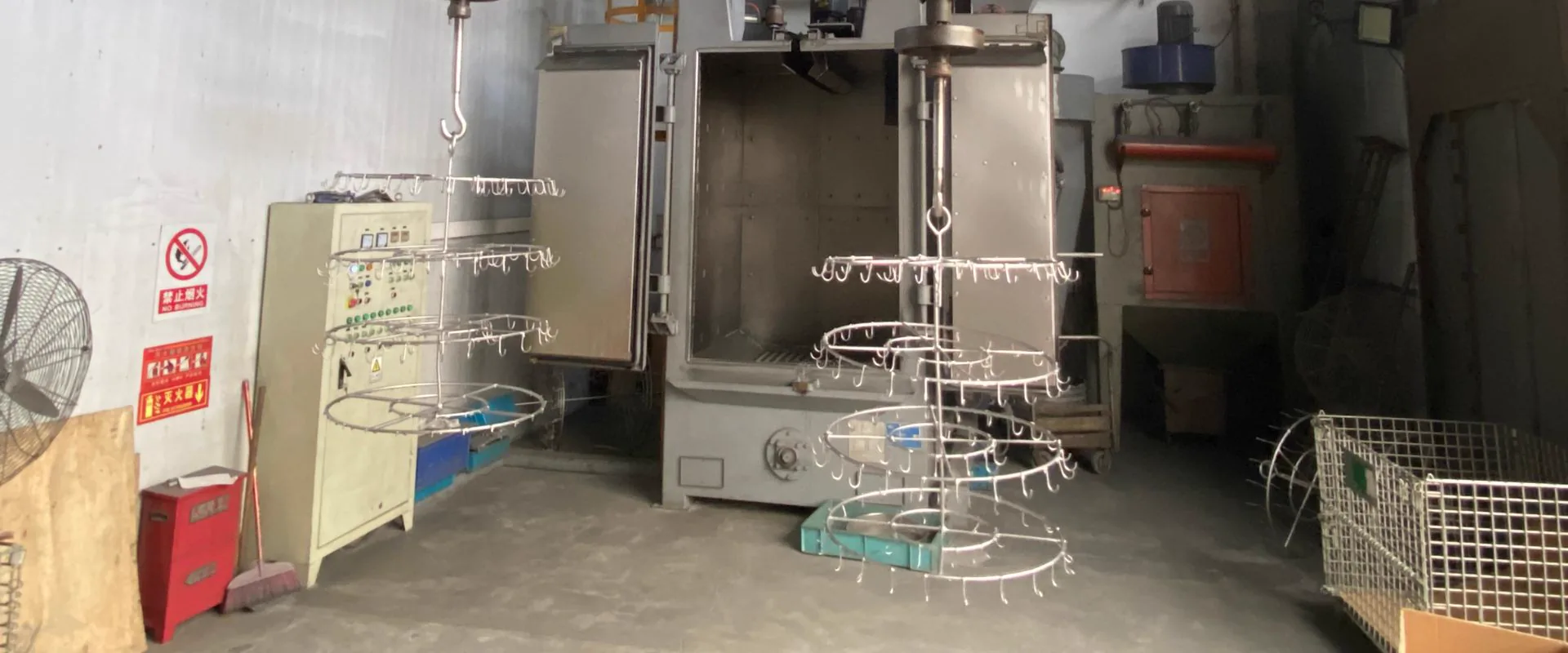
Comparison or Detail Image
Reserve a second image for an alloy comparison, defect example, tooling detail, or application close-up deeper in the article.
PPAP for die casting is the production part approval process used to confirm that a supplier can manufacture parts consistently according to the drawing, specification, material, process flow, and customer requirements. It is common in automotive and other controlled manufacturing programs.
For buyers, PPAP is not only paperwork. It connects tooling, casting, machining, finishing, inspection, packaging, and process control before mass production starts.
PPAP Levels
| Level | What Is Submitted |
|---|---|
| Level 1 | Part Submission Warrant only |
| Level 2 | Warrant plus samples and limited supporting data |
| Level 3 | Warrant, samples, and complete supporting data |
| Level 4 | Warrant and other customer-defined requirements |
| Level 5 | Warrant, samples, and complete data reviewed at supplier location |
Level 3 is commonly requested for many production programs, but the customer decides the required level.
Common PPAP Documents for Die Castings
| Document | Purpose |
|---|---|
| Design record | Confirms drawing and revision |
| Engineering change documents | Tracks approved changes |
| Process flow diagram | Shows production route |
| PFMEA | Reviews process risks |
| Control plan | Defines inspection and control points |
| Dimensional results | Confirms part dimensions |
| Material certificate | Confirms alloy |
| Initial process study | Shows capability for critical dimensions |
| MSA or gauge study | Confirms measurement method |
| Appearance approval | Used when cosmetic surfaces matter |
| Sample parts | Physical parts from production-intent process |
| Part Submission Warrant | Summary approval document |
Die casting PPAP may also include leak test data, coating reports, machining inspection, and packaging approval.
Typical Timeline
| Stage | Typical Timing |
|---|---|
| DFM and tooling approval | 1-2 weeks |
| Tool build | 4-8 weeks depending on complexity |
| T0 or first trial samples | 1 week after tool trial |
| Corrections and T1 samples | 1-4 weeks |
| Dimensional and material reports | 1-2 weeks |
| PPAP package preparation | 1-2 weeks after stable samples |
Actual timing depends on tool complexity, sample results, customer response speed, and whether design changes are needed.
Buyer Responsibilities
Buyers should provide:
- Current drawing and 3D model.
- PPAP level requirement.
- Critical dimensions and special characteristics.
- Material and finish specifications.
- Test requirements.
- Packaging requirements.
- Approval workflow and contact person.
- Required submission date.
Missing requirements cause PPAP delays more often than suppliers expect.
RFQ Checklist
When requesting a PPAP quote, include:
- PPAP level
- Annual volume
- Required documents
- Sample quantity
- Critical dimensions
- Test and inspection requirements
- Customer-specific forms
- Target approval date
KastMfg supports automotive process controls, inspection documentation, sample approval, and PPAP preparation for qualified programs. Submit drawings and PPAP requirements through the RFQ page.
FAQ
What is PPAP in die casting?
PPAP is a structured approval process that confirms a die casting supplier can produce parts consistently according to drawing, material, process, and customer requirements.
Which PPAP level is most common?
Level 3 is commonly used because it includes samples and complete supporting documentation, but the customer defines the required level.
Does PPAP happen before or after tooling?
PPAP happens after production-intent samples are made, but requirements should be agreed before tooling starts.
What causes PPAP delays?
Common delays include drawing changes, unstable dimensions, missing critical characteristics, unclear testing requirements, and customer-specific documents provided too late.
Related Guides
About The Author
Mike Yao on PPAP for die casting buyers
Technical Director, Die Casting Engineering
Technical Director at KastMfg with 20+ years in high-pressure die casting, leading engineering and program management across aluminum, zinc, and magnesium programs for automotive, EV, electronics, and medical OEMs worldwide.
View author profileRelated Reading
Keep exploring the blog
Die Casting vs Permanent Mold Casting: Which to Choose?
Die Casting vs Permanent Mold Casting: How to Choose Die casting and permanent mold casting are both metal mold processes - both use reusable steel or iron dies rather than expe...
Mike Yao
8 min read
Aluminum Die Casting for Automotive: IATF & PPAP
Aluminum Die Casting for Automotive Parts: IATF 16949, PPAP and Common Components Aluminum die casting is one of the primary manufacturing processes for automotive components be...
Mike Yao
8 min read
Die Casting Quotation Checklist for OEM Buyers
Die Casting Quotation Checklist for OEM Buyers A good die casting quotation is built from complete engineering information. If the drawing package is missing material, annual vo...
Mike Yao
9 min read
Die Casting Die Explained - Anatomy, Steel, Life, and Cost
Die Casting Die - What It Is, How It's Built, and What It Costs A die casting die is a precision steel mold - typically two machined halves of H13 hot-work tool steel - that sha...
Mike Yao
5 min read