HPDC vs LPDC - High Pressure vs Low Pressure Die Casting Compared
HPDC vs LPDC compared on fill pressure, speed, wall thickness, porosity, heat treatment capability, alloys, cycle time, tooling cost and typical parts - plus when squeeze casting beats both.

Technical Director, Die Casting Engineering
Blog Visual Plan
Article visuals for HPDC vs LPDC
These visuals use your current KastMfg image library now, and they will automatically switch to article-specific images when you add them later.
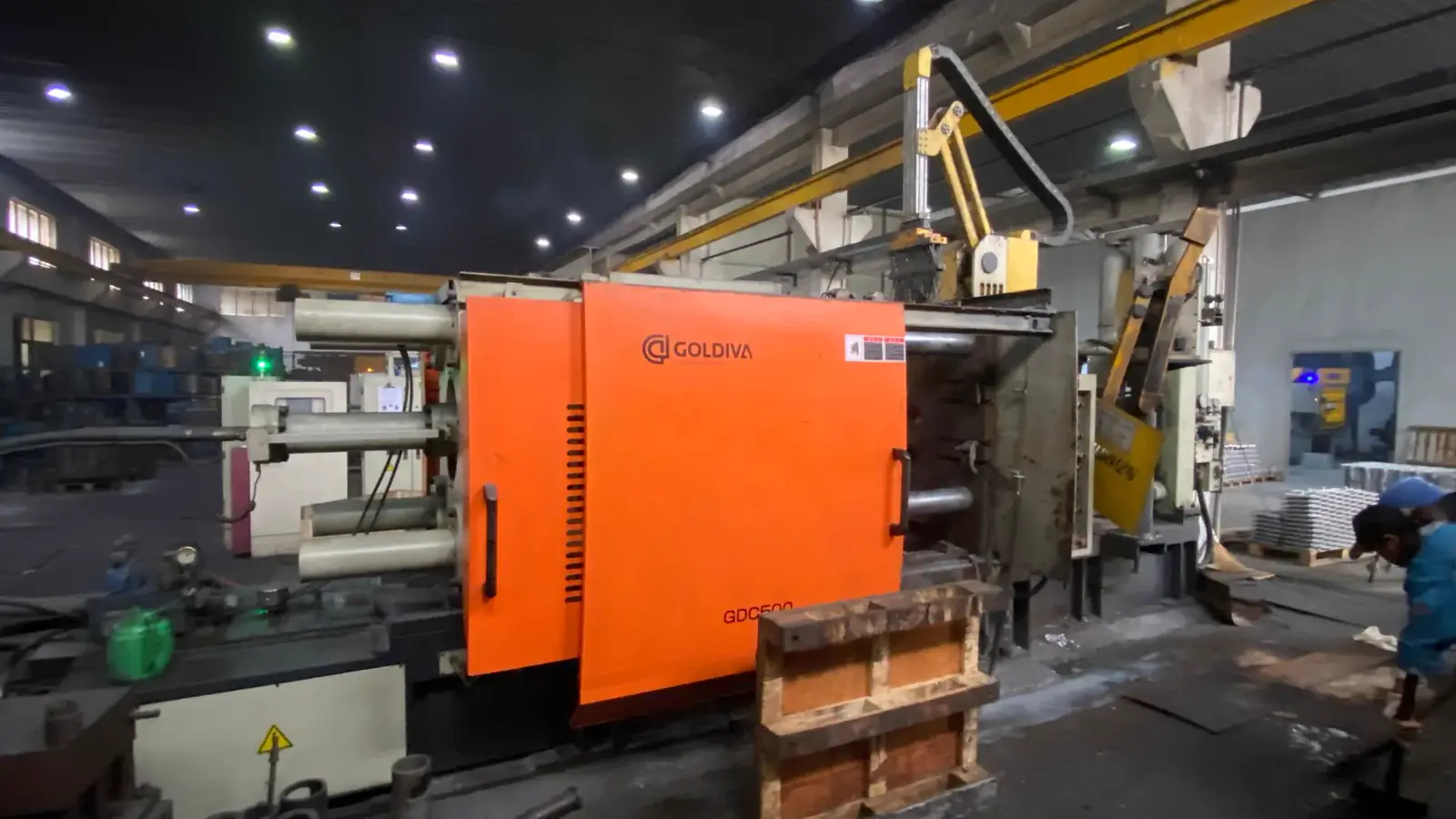
Lead Technical Image
Add a hero-level manufacturing, tooling, or component image that reinforces the article topic above the body copy.
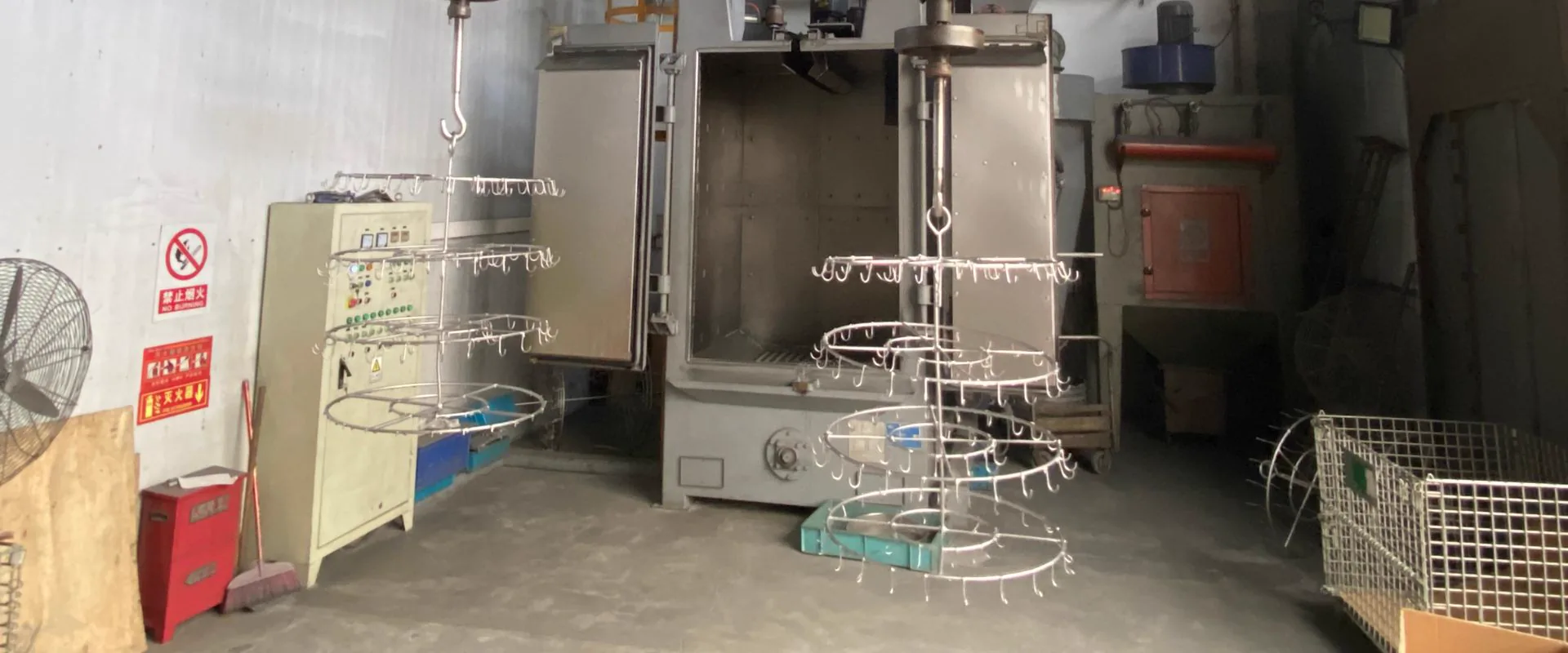
Comparison or Detail Image
Reserve a second image for an alloy comparison, defect example, tooling detail, or application close-up deeper in the article.
The difference between HPDC and LPDC comes down to how hard and how fast the metal enters the die: high pressure die casting injects molten metal at tens of MPa and fills the cavity in milliseconds, while low pressure die casting pushes the melt upward gently at under 1 bar to make thicker, heat-treatable structural parts.
If you are weighing high pressure die casting vs low pressure die casting for a real part, the numbers matter more than the labels.
HPDC vs LPDC at a Glance
| Dimension | HPDC (high pressure die casting) | LPDC (low pressure die casting) |
|---|---|---|
| Fill pressure | ~40-100 MPa intensification; 100+ MPa in specialized structural processes | ~0.02-0.10 MPa (0.2-1 bar) furnace gas pressure |
| Fill speed | ~30-60 m/s gate velocity | roughly 0.2-1 m/s melt velocity |
| Cavity fill time | ~20-100 ms | seconds - slow upward counter-gravity fill |
| Minimum practical wall (aluminum) | ~1.5-2.5 mm; thinner possible with favorable alloy, die design, and vacuum; zinc HPDC goes thinner | ~3-4 mm; local thinner sections possible |
| Porosity / heat treatment | Higher gas porosity from turbulent fill; conventional HPDC aluminum usually cannot take full T6 without blistering; vacuum HPDC reduces this | Less entrained gas, lower porosity; T6-capable; better ductility, fatigue, and weldability; not automatically pore-free |
| Typical alloys | A380, A383, ADC12, A360 | A356, A357 |
| Typical parts | Transmission and motor housings, pump bodies, brackets, covers, thin-wall enclosures | Aluminum wheels, cylinder heads, suspension and brake components, thicker structural parts |
| Cycle time | Some published aluminum cycles run ~30-90 s depending on part thickness | Tens of seconds to several minutes |
| Tooling / equipment cost | High die and machine cost | Generally less expensive than HPDC, still substantial |
| Die life | Harshest on dies: thermal cycling, erosion, soldering | Gentler on dies; longer die life |
| Best volume band | High volume, lowest piece cost at scale | Medium-to-high volume structural parts |
How the Physics Differs
HPDC is piston-driven injection. A hydraulic plunger forces metal into a hardened steel die: a cold-chamber machine (aluminum, magnesium) ladles each shot into a sleeve and fires it; a hot-chamber machine (zinc) keeps the injector submerged in the melt (hot chamber vs cold chamber die casting). Modern aluminum HPDC applies roughly 40-100 MPa of intensification pressure, with gate velocities around 30-60 m/s, so the cavity fills in about 20-100 ms. That speed is why HPDC holds thin walls - and why the flow is turbulent.
LPDC is furnace pressure. The die sits above the melt; gas at roughly 0.02-0.10 MPa (0.2-1 bar) pushes metal up a riser tube into the cavity from its lowest point, counter-gravity, at a melt velocity of roughly 0.2-1 m/s. Fill takes seconds, not milliseconds, and pressure is held during solidification to feed shrinkage; slow, laminar fill barely entrains air.
Quality and Heat Treatment: Where LPDC Wins
High-speed turbulent fill in HPDC folds air into the metal, leaving higher gas porosity. The well-known consequence: ordinary HPDC aluminum usually cannot take full T6, because trapped gas expands during solution treatment and blisters the surface. Vacuum HPDC and structural alloys reduce this limitation, but the safe default for conventional HPDC aluminum is aging (T5) only.
LPDC flips the picture. Gentle fill means less entrained gas, so LPDC castings routinely take T6 and typically show better ductility, fatigue life, and weldability than the same geometry in conventional HPDC aluminum. Honest caveat: LPDC is not automatically pore-free - hydrogen, oxides, and shrinkage can still create defects. See die casting porosity testing and the low pressure die casting guide.
Economics: Where HPDC Wins
On quality, the LPDC vs HPDC comparison is one-sided. On cost per part at volume, it flips.
- Cycle time. Published aluminum HPDC cycles run roughly 30-90 s depending on part thickness; LPDC runs tens of seconds to several minutes.
- Metal content. HPDC's 1.5-2.5 mm walls mean less aluminum per part; LPDC's 3-4 mm minimum adds weight to every shot.
- Tooling amortization. HPDC dies and machines cost more, but at high volume the tooling spreads over millions of shots and the piece price drops fast.
The catch is die life: HPDC is the harshest process on tooling - thermal cycling, erosion, and soldering eat the cavity - while LPDC dies last longer. HPDC wins where thin walls and seconds-per-part dominate; LPDC wins where quality per part dominates. See high pressure die casting and die casting cost reduction.
And Squeeze Casting?
Squeeze casting, the third option, is permanent-mold casting with forging-like pressure applied during solidification - often tens to over 100 MPa - instead of high-speed injection. Pressure during solidification suppresses shrinkage and gas porosity, producing dense, heat-treatable castings with very low porosity under optimized conditions that approach wrought properties. No casting process guarantees zero porosity. Where LPDC cannot reach the property target and HPDC cannot take the heat treatment, squeeze casting is the answer: squeeze casting.
How to Choose
Work through these four rules in order - they resolve most low pressure vs high pressure die casting decisions:
- Wall thickness under about 2.5 mm points to HPDC. Below LPDC's practical 3-4 mm minimum, HPDC is often the only die casting route; zinc HPDC goes thinner still.
- A full T6, structural, or weld requirement points to LPDC - or vacuum HPDC when the part is also thin-walled and high-volume.
- High annual volume of a thin-wall part points to HPDC: the tooling premium pays back when cycles run in seconds and shots count in millions. Medium-to-high volume structural parts are LPDC territory.
- Alloy availability settles ties. A380, A383, ADC12, and A360 are HPDC alloys; A356 and A357 are LPDC alloys. When the alloy is fixed by specification, the process usually follows.
For the wider map - gravity, vacuum, squeeze - see types of die casting.
Frequently Asked Questions
What is the difference between HPDC and LPDC?
HPDC injects molten metal at roughly 40-100 MPa intensification pressure with gate velocities around 30-60 m/s, filling the cavity in 20-100 ms. LPDC pushes metal up a riser tube from a pressurized furnace at about 0.02-0.10 MPa (0.2-1 bar), filling slowly at roughly 0.2-1 m/s. HPDC wins on thin walls and cycle time; LPDC wins on porosity and heat treatment.
Which is stronger, HPDC or LPDC?
Both are strong; the difference is ductility and fatigue. LPDC's lower porosity typically delivers better elongation, fatigue life, and weldability, and LPDC parts routinely take full T6. HPDC alloys such as A380 and ADC12 reach high tensile strength as-cast but are less ductile, and conventional HPDC aluminum generally cannot be T6-treated without blistering.
Is LPDC cheaper than HPDC?
Per part at high volume, usually no: HPDC's ~30-90 s cycles and thin walls give the lowest piece price once tooling is amortized. Tooling and equipment are usually cheaper for LPDC - less than HPDC dies and machines, though still substantial - and LPDC dies last longer. On medium volumes of thick, heat-treated parts, LPDC often wins total cost.
Can HPDC parts be heat treated?
Conventional HPDC aluminum is usually unsuitable for full T6: trapped gas expands during solution treatment and blisters the surface. T5 artificial aging is normally acceptable. Vacuum HPDC and dedicated structural alloys cut porosity enough to enable T6 on qualified parts - worth quoting both ways.
What is LPDC used for?
Aluminum wheels, cylinder heads, suspension and brake components, and thicker structural castings in A356 or A357-class alloys - anywhere low porosity, T6 capability, and fatigue performance matter more than thin walls or fast cycles.
What pressure is used in die casting?
Modern aluminum HPDC runs roughly 40-100 MPa of intensification pressure; specialized structural processes exceed 100 MPa. LPDC runs about 0.02-0.10 MPa (0.2-1 bar). Squeeze casting applies tens to over 100 MPa, but during solidification rather than injection.
Related Reading
- low pressure die casting - the LPDC process in depth
- high pressure die casting - machines, alloys, and vacuum-assisted HPDC
- squeeze casting - the third option for dense, heat-treatable parts
- types of die casting - the full process family overview
- how are engine blocks made - HPDC vs LPDC in the classic powertrain case
- aluminum casting alloys - A356, A380, ADC12, and the rest
Not sure which process your part needs? Send the drawing to casting@kastdiecast.com - we will recommend HPDC, LPDC or squeeze casting and quote it | +86 138 1403 4409 | No.6, Rungu Road, Nanjing, China
About The Author
Mike Yao on HPDC vs LPDC
Technical Director, Die Casting Engineering
Technical Director at KastMfg with 20+ years in high-pressure die casting, leading engineering and program management across aluminum, zinc, and magnesium programs for automotive, EV, electronics, and medical OEMs worldwide.
View author profileRelated Reading
Keep exploring the blog
Die Casting vs Permanent Mold Casting: Which to Choose?
Die Casting vs Permanent Mold Casting: How to Choose Die casting and permanent mold casting are both metal mold processes - both use reusable steel or iron dies rather than expe...
Mike Yao
8 min read
Die Casting vs Gravity Casting - Process & Cost
Die Casting vs Gravity Casting — Which Aluminum Casting Process Fits? High-pressure die casting and gravity casting both use metal molds, but they fill those molds in very diffe...
Mike Yao
3 min read
Thin Wall Die Casting - Design Rules & Limits
Thin Wall Die Casting - How Thin Can You Actually Go? Thin walls are where die casting beats every competing process - and where most design failures happen. This guide gives yo...
Mike Yao
4 min read
Die Casting Tooling Cost - Factors & Ranges
Die Casting Tooling Cost — What Drives It and How to Reduce It Die casting tooling is typically the largest single upfront investment in a casting program. A simple single-cavit...
Mike Yao
6 min read