Aluminum Die Casting for EV Battery Trays
How aluminum die casting supports EV battery tray, cover, and thermal housing programs, covering alloy choice, tooling, sealing, and leak testing.

Technical Director, Die Casting Engineering
Blog Visual Plan
Article visuals for aluminum die casting EV battery tray
These visuals use your current KastMfg image library now, and they will automatically switch to article-specific images when you add them later.
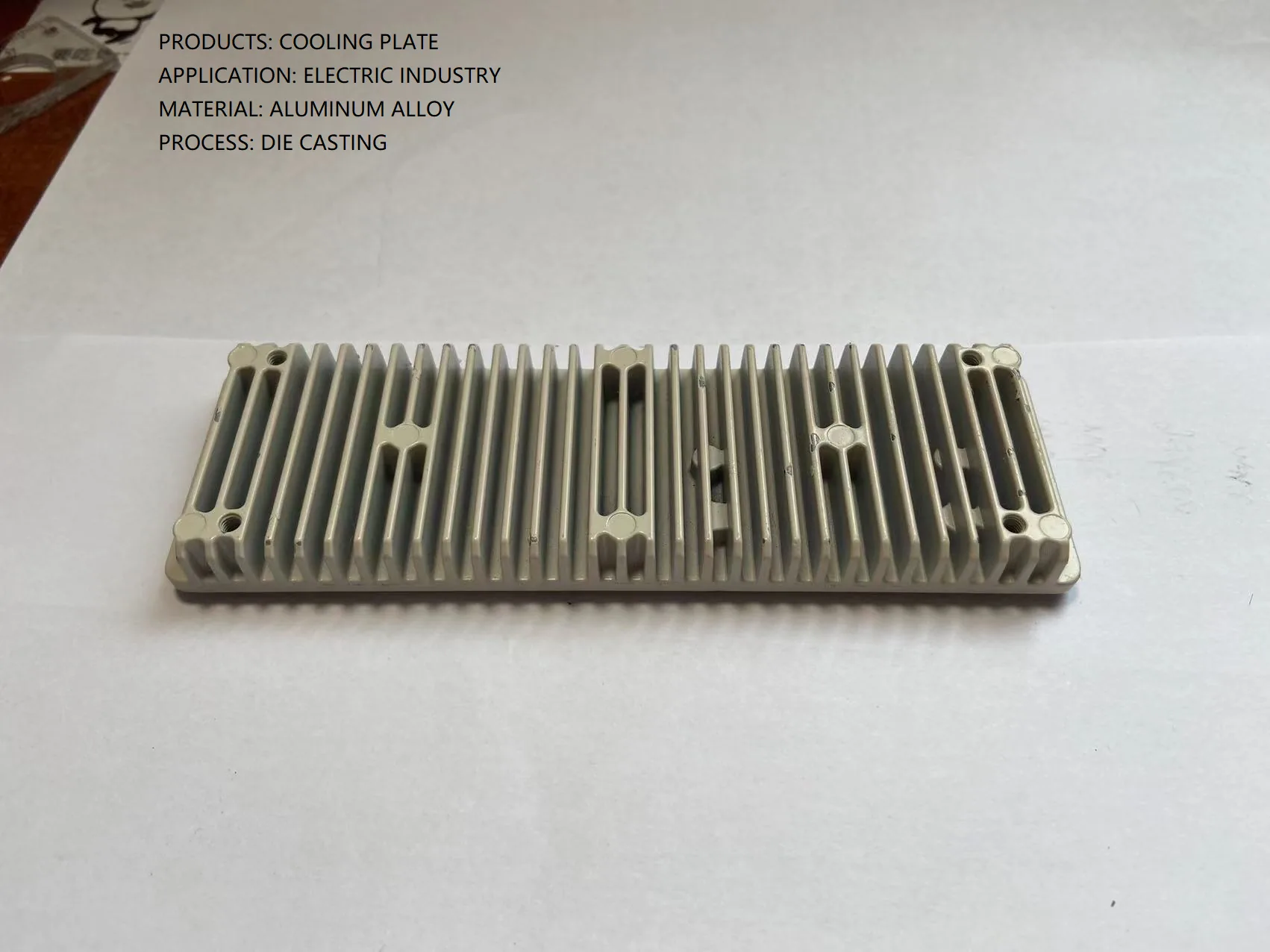
Lead Technical Image
Add a hero-level manufacturing, tooling, or component image that reinforces the article topic above the body copy.
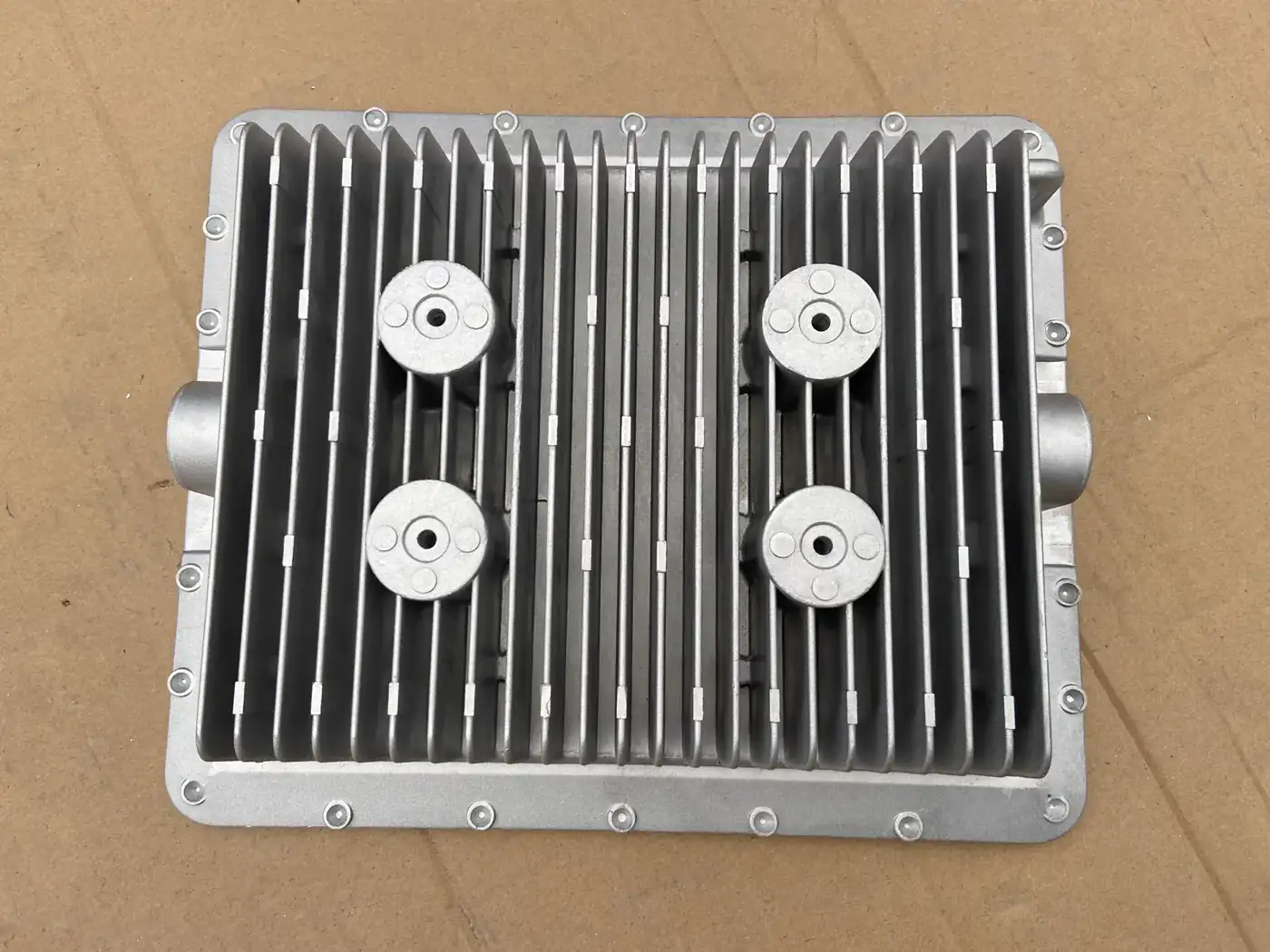
Comparison or Detail Image
Reserve a second image for an alloy comparison, defect example, tooling detail, or application close-up deeper in the article.
EV battery systems use aluminum castings for structural support, sealing, thermal management, mounting, and protection. Not every battery tray is a single die casting; many designs combine extrusions, stampings, weldments, cast corner nodes, covers, cooling housings, and machined interfaces. The right manufacturing route depends on size, crash requirements, leak-tightness, and volume.
For die casting suppliers, the strongest fit is usually battery-related housings, covers, end plates, side brackets, thermal plates, corner nodes, and enclosure components that need repeatable geometry at production volume.
Where Die Casting Fits in EV Battery Systems
| Component | Why Die Casting Fits |
|---|---|
| Battery enclosure covers | Integrated ribs, mounting bosses, sealing faces |
| Corner nodes and structural brackets | Complex geometry and local reinforcement |
| Thermal management housings | Machined sealing faces, fluid ports, pressure testing |
| Power electronics covers | EMI shielding, heat paths, connector bosses |
| Module end plates | Dimensional repeatability and assembly features |
Large one-piece battery trays may exceed normal HPDC machine size or require structural performance beyond standard HPDC. In those cases, cast nodes or sub-housings may be a better die casting target than the full tray.
Alloy Selection
| Requirement | Typical Alloy Direction |
|---|---|
| General enclosure parts | A380 or ADC12 |
| Better corrosion resistance | A360 |
| Pressure-tight cooling channels | A413 or vacuum-assisted HPDC |
| Higher structural requirements | Vacuum-assisted HPDC with heat treatment review |
The alloy decision should be made with the sealing, machining, coating, and testing plan in mind, not only tensile strength.
Key Engineering Risks
EV battery-related aluminum castings often fail because of details outside the basic casting shape:
- Sealing face flatness is not controlled after casting
- O-ring groove geometry does not match the gasket design
- Machining allowance is missing on critical datums
- Porosity is too close to fluid channels
- Coating buildup affects assembly fit
- Tooling does not control distortion across long spans
- Leak testing is defined too late in the program
KastMfg reviews these risks during DFM before tooling release.
Quality Checks Buyers Should Request
For EV battery housings and thermal parts, buyers should request:
- First article inspection report
- CMM report on sealing faces and datums
- Leak or pressure test method if the part carries fluid
- Material certificate
- Coating thickness report
- Flatness and surface roughness checks for gasket areas
- Packaging plan for machined and coated surfaces
For related project examples, see the EV motor housing case study and EV die casting industry page.
FAQ
Can a full EV battery tray be high-pressure die cast?
Some battery structures can be cast, but full battery trays may exceed normal HPDC size or require structural performance that needs special process review. Many practical programs use die cast nodes, covers, housings, and thermal components rather than one full tray casting.
Which aluminum alloy is best for EV battery housings?
A380 and ADC12 are common for general housings. A360 improves corrosion resistance, while A413 or vacuum-assisted HPDC may be considered for pressure-tight thermal housings.
Do EV battery castings need leak testing?
Any component with a cooling channel, sealed cavity, or gasketed fluid interface should have a defined leak or pressure test requirement before tooling starts.
EV battery casting inquiry: casting@kastdiecast.com | +86 138 1403 4409
Related
About The Author
Mike Yao on aluminum die casting EV battery tray
Technical Director, Die Casting Engineering
Technical Director at KastMfg with 20+ years in high-pressure die casting, leading engineering and program management across aluminum, zinc, and magnesium programs for automotive, EV, electronics, and medical OEMs worldwide.
View author profileRelated Reading
Keep exploring the blog
EV Battery Tray Die Casting RFQ: Sealing, Flatness, Thermal
EV Battery Tray Die Casting RFQ: Sealing, Flatness, Thermal The existing overview of aluminum die casting for EV battery trays covers what these parts are and why die casting fi...
Mike Yao
9 min read
Die Cast Enclosure IP Ratings: Design Guide
Die Cast Enclosure IP Ratings: Design Guide Ask an electronics forum how to house a controller that must survive rain, hose-down, or a dunk in shallow water, and the answers con...
Mike Yao
14 min read
Die Casting vs Permanent Mold Casting: Which to Choose?
Die Casting vs Permanent Mold Casting: How to Choose Die casting and permanent mold casting are both metal mold processes - both use reusable steel or iron dies rather than expe...
Mike Yao
8 min read
Aluminum Die Casting EV Motor Housing Guide
Aluminum Die Casting for EV Motor Housings EV motor housings use aluminum die casting to combine structural support, heat dissipation, bearing alignment, sealing, connector moun...
Mike Yao
4 min read