As-Cast Surface Finish: What Die Castings Really Look Like
As-cast surface finish on die castings explained: what the term means, the Ra 0.8-3.2 um range many parts achieve (aluminum can exceed it, zinc usually runs smoother), what moves the number - alloy, die condition, gating - how die texture is engineered in, how anodizing and powder coating treat the baseline, and how to spec it on a drawing.

Technical Director, Die Casting Engineering
Blog Visual Plan
Article visuals for as cast surface finish
These visuals use your current KastMfg image library now, and they will automatically switch to article-specific images when you add them later.
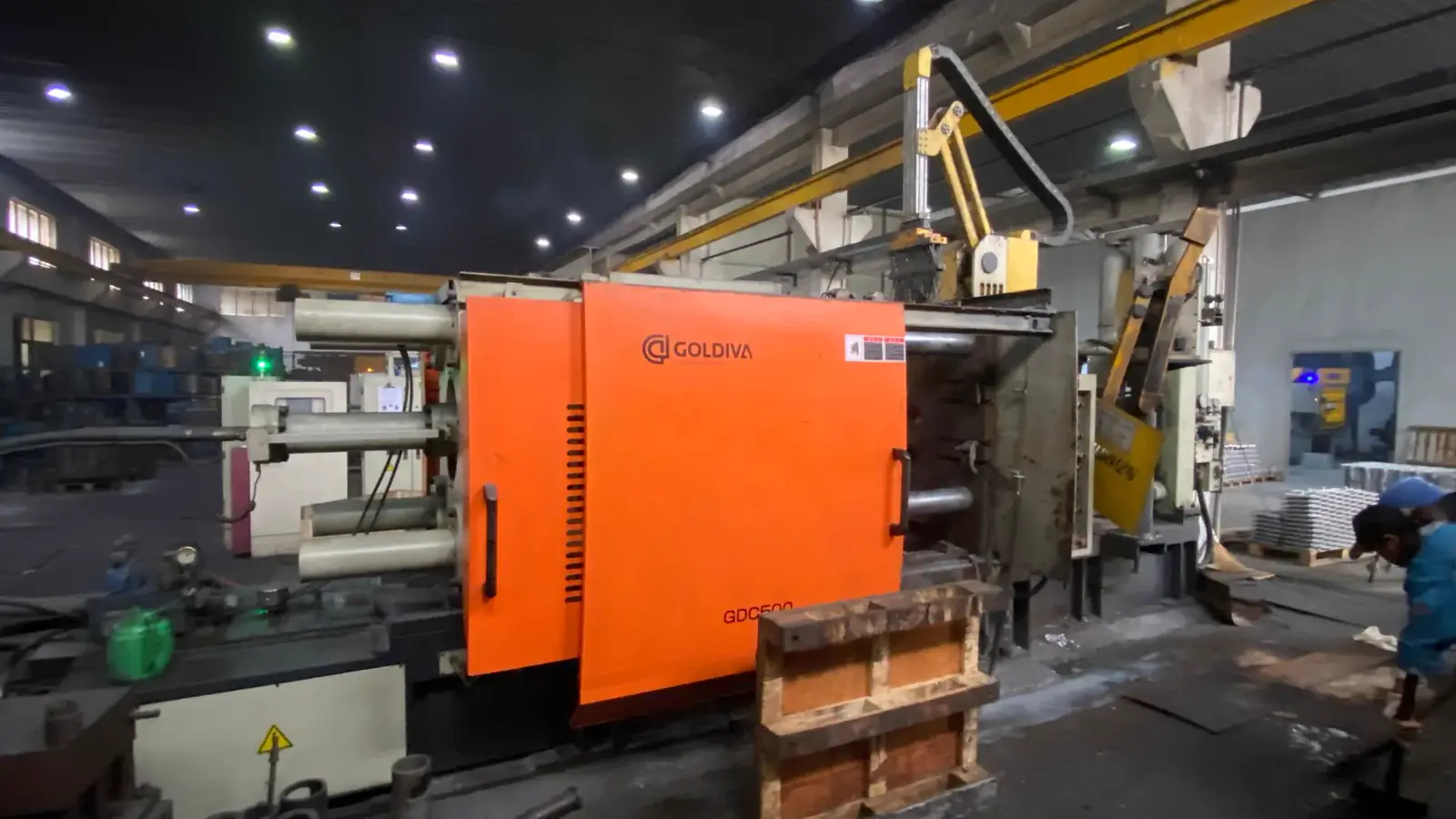
Lead Technical Image
Add a hero-level manufacturing, tooling, or component image that reinforces the article topic above the body copy.
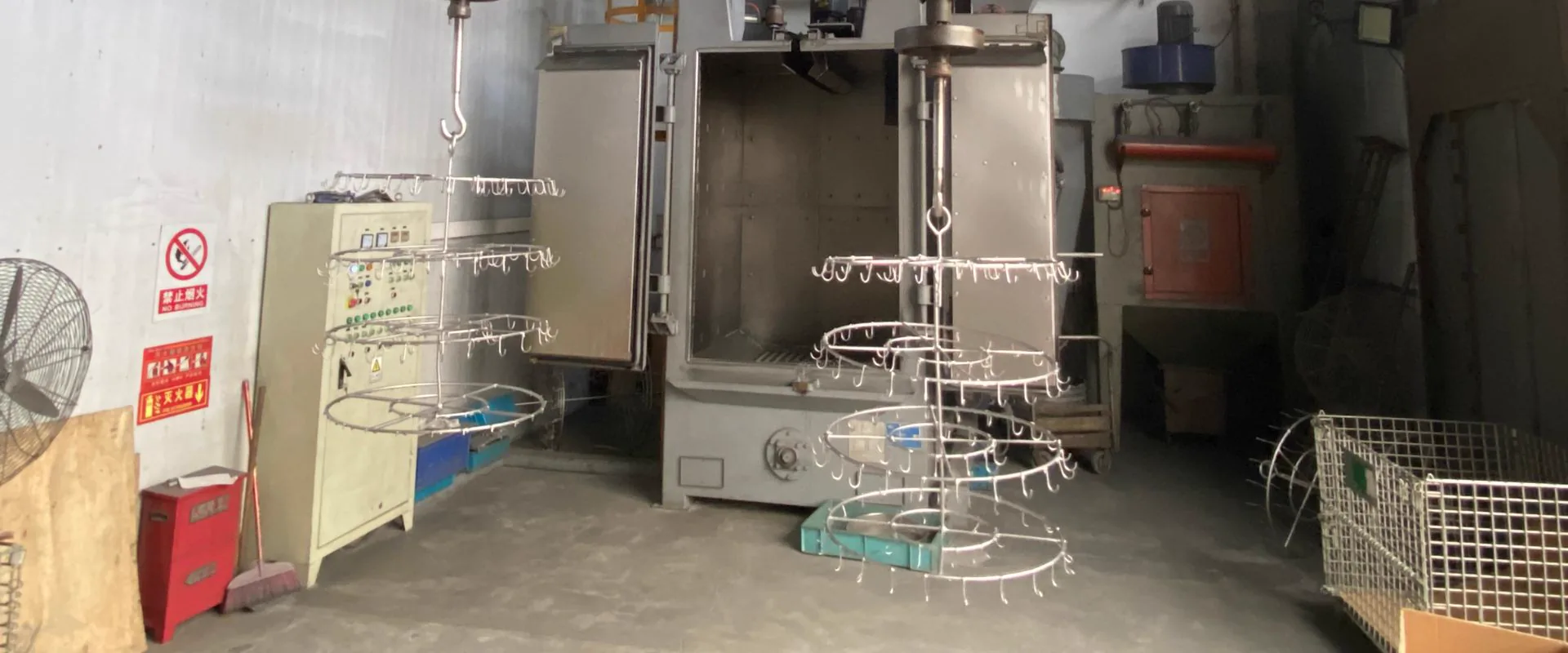
Comparison or Detail Image
Reserve a second image for an alloy comparison, defect example, tooling detail, or application close-up deeper in the article.
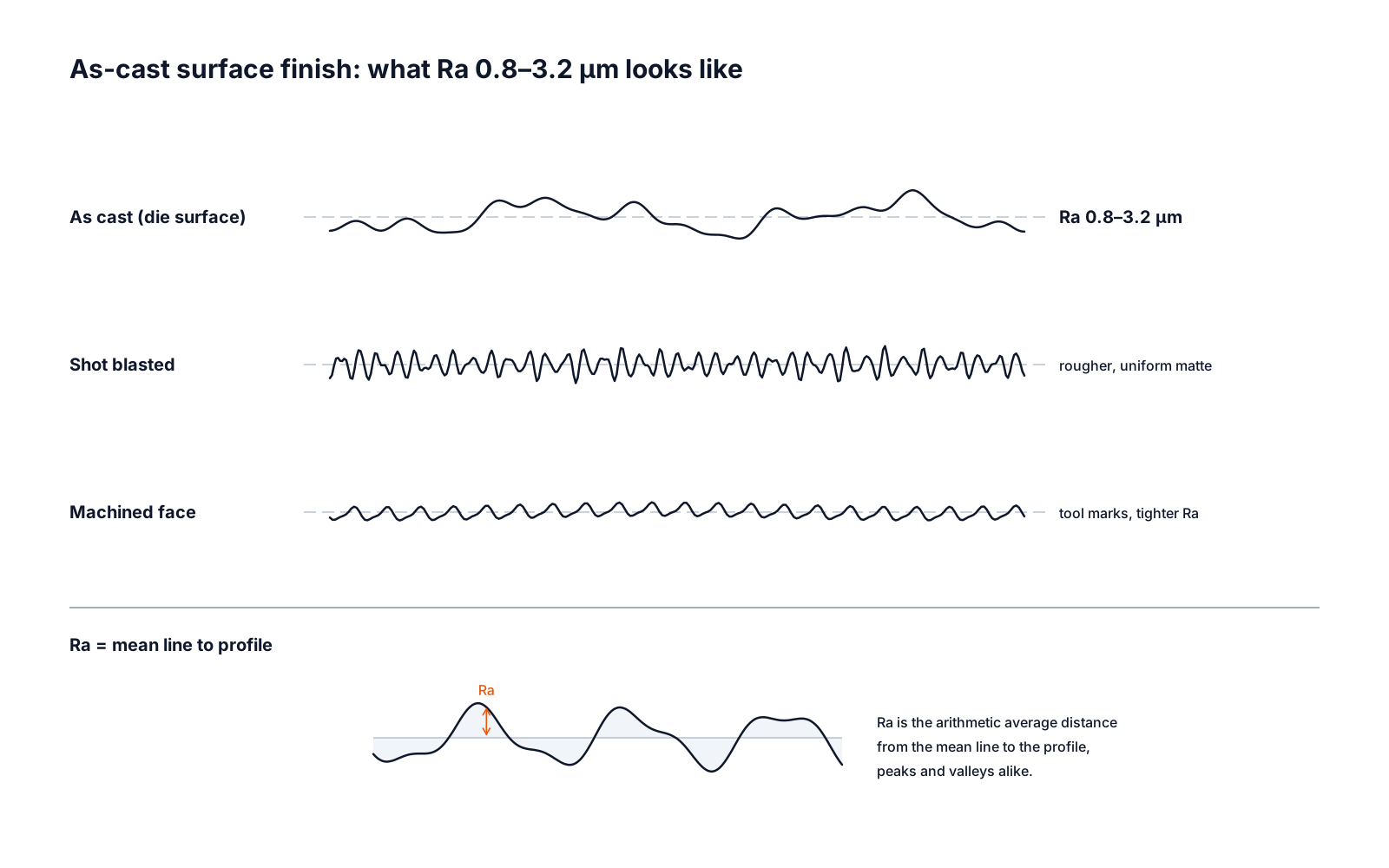
"As-cast" is the surface a die casting carries the moment it leaves the die and the trim press - no blasting, polishing or machining beyond standard trim and deburr. For many parts an as-cast surface lands in the Ra 0.8-3.2 um area - a range that is plausible for many parts but carries two qualifiers everywhere it is quoted: aluminum die castings can exceed that range, and zinc castings usually come out smoother than aluminum.
Buyers meet this term at three moments: quoting (what surface the price assumes), inspection (what Ra gets measured where), and coating (what baseline the finisher receives). This page covers all three - what as-cast means, what moves the number, how texture gets engineered into the die, how anodizing and powder coating treat the as-cast baseline, and how to write the requirement onto a drawing so the quoted process matches the part.
What "As-Cast" Actually Means
An as-cast surface is the skin that formed directly against the die cavity and was ejected, trimmed and deburred - nothing more. It is a negative print of the die face at the moment of that shot, carrying whatever the die carried: polish, texture, the beginnings of wear. On drawings the term does the work of scope: "as-cast" faces are left untouched while other faces are machined, and a single part is usually both at once - an as-cast body with machined pads, bores and sealing faces.
The distinction matters commercially. A part quoted as-cast on cosmetic faces and a part quoted with a finishing route behind it are different prices and different risk profiles. The phrase also anchors appearance discussions: "as-cast appearance" means the surface straight off the process, judged against an agreed standard rather than a polished sample.
What Ra to Expect As-Cast - and What Moves It
The honest headline: an as-cast surface in the Ra 0.8-3.2 um area is plausible for many parts. The two qualifiers are not footnotes - they are the calibration. Aluminum die castings can exceed that range, with some faces reading rougher as normal behavior rather than a defect verdict; and zinc castings usually run smoother, reproducing the die surface more faithfully thanks to their lower pouring temperature and gentler filling. The same factors apply across the process families - see aluminum die casting, zinc die casting and magnesium die casting for the process backgrounds - but the alloy only sets the starting hand:
| Factor | How it moves the as-cast surface |
|---|---|
| Alloy family | Zinc tends smoothest of the commercial families; aluminum runs rougher on average and can exceed the 0.8-3.2 um band on some faces |
| Die condition | A new or freshly refinished cavity prints its best face; wear, heat checking and solder patches drift surfaces rougher as the die ages - die age shows up on the part |
| Gating and flow | Flow fronts, die-lube residue and late-filling regions carry visible signatures; faces near gates and vents read differently from faces in quiet zones |
| Part geometry | Deep ribs, low-draft walls and regions far from the gate generally read rougher than open, well-fed faces |
Two consequences follow. First, Ra quoted as a single blanket number on a whole drawing prices the strictest interpretation of the loosest zone - the wrong tool. Second, the as-cast number is a moving target across a production run, because the die itself is a wearing tool. Both problems are solved the same way: zones, on the drawing.
One boundary note on the alloy row above: the list of die-castable metals is short - zinc, magnesium, aluminum - because die-steel temperature limits set it. For why steel is not on the list at all, see can steel be die cast.
Engineering Texture Into the Die
Because the casting skin is a negative print of the cavity, texture is engineered backward: into the die, not onto the part. EDM-eroded patterns and chemical etch are the standard tools for texturing cavity surfaces, and the texture transfers to every shot the die produces. That transfer is what makes texture a specifiable, repeatable product feature rather than a finishing operation: functional grip textures on handles and controls, cosmetic patterns, and matte textures that break up reflections on appearance parts are all specified on the drawing against an agreed sample or standard plate.
The constraints are physical, and they are worth knowing before the texture is chosen. Texture on a cavity face behaves like added friction at ejection, so textured faces call for more draft than smooth faces would - a real trade, decided face by face. Texture depth interacts with wall geometry: deep texture on thin or awkwardly drafted walls invites sticking and drag marks. And texture is part of the die's wear life - a maintenance plan that addresses the die surface addresses its texture too.
How Finishing Changes the Baseline
Everything above describes the surface as it leaves the trim press. Most die castings then take one of two paths, and both change the conversation.
Resetting the surface. Blast and mass finishing replace the as-cast baseline with a uniform one: bead blasting takes the surface to a consistent industrial matte, and vibratory finishing deburrs, rounds edges and conditions the surface ahead of coating. Where these steps sit in the full route is mapped in the die casting surface finishing guide.
Coating over the baseline. Here the calibrations matter most. Anodizing is a thin, conversion-type coating that follows the metal underneath - it tends to reveal and amplify texture differences rather than hide them: flow lines, grain effects and texture boundaries become more visible after anodizing, not less. Powder coating lays down a thicker applied film that can mask light texture variation. But neither finish guarantees hiding defects - surface defects, drag marks and porosity that breaks through the skin can telegraph through both coatings, and anodizing in particular is known for amplifying whatever lies beneath. The coating choice itself is covered in anodizing vs powder coating.
Holding the baseline across batches. Keeping cosmetic appearance consistent batch to batch is a recognized difficulty in die casting: the die ages, alloy lots and lubricant behavior vary, and a surface that matched the master in month one can drift by month six. The standard control levers are retained masters (texture plates and signed appearance samples), a defined die-maintenance cadence that treats reconditioning as part of the appearance plan, first-article plus periodic comparison of production parts against the masters, and locked process settings once an appearance is approved. Programs that audit appearance across batches - consumer electronics and medical equipment enclosures alike - lock these controls before the first production order; the medical equipment side of that discipline is covered in medical device die casting.
How to Put As-Cast Finish on the Drawing
The spec that survives contact with production has four parts:
- Ra by zone, not by part. Cosmetic faces carry the number; structural and hidden faces carry a looser one. Blanket Ra is the most expensive sentence on a drawing.
- Cosmetic faces marked explicitly. The shop can only protect faces it can see on the print - a face marked cosmetic gets die, handling and inspection attention that an unmarked face does not.
- Texture by reference. Name the standard or attach the sample plate at kickoff, so "matte texture" means one thing at quoting and never means two things later.
- Measurement basis stated. Which faces, measured how, against which standard - the same zone-based thinking that governs die casting tolerances.
One more practical line worth adding: the finishing intent. A face that ships as-cast to a cosmetic standard and a face that serves as the pre-coat baseline for powder are different targets, and a drawing that says which one it means gets the part it expected at the price it expected.
Frequently Asked Questions
What does "as-cast" surface finish mean?
The surface a die casting carries straight out of the die and the trim press - no blasting, polishing or machining beyond standard trim and deburr. On drawings it marks the faces left untouched while other faces machine.
What Ra can I expect on a die casting as cast?
Ra 0.8-3.2 um is plausible for many parts, with calibration: aluminum die castings can exceed that range, zinc usually runs smoother, and die condition, gating and geometry move the number face to face and batch to batch.
Will anodizing or powder coating hide die casting texture?
Not reliably. Anodizing tends to reveal and amplify texture differences; powder coating can mask light texture variation with its thicker film - but neither finish guarantees hiding defects, so the as-cast baseline has to be right first.
Related
- die casting surface finishing guide - the full sequence after trim
- bead blasting - resetting the as-cast surface
- vibratory finishing - deburr and edge conditioning
- anodizing vs powder coating - the coating decision
- die casting tolerances - zone-based dimension thinking
- request a quote
Specifying an as-cast finish on castings? Send your package through the request a quote page or email casting@kastdiecast.com:
- CAD or PDF drawing with cosmetic faces marked
- Alloy family - aluminum or zinc - or an openness to a recommendation
- Target Ra and the faces it applies to
- Texture reference or sample plate, if the part carries one
- Finishing intent - as-cast, blast, vibratory, anodize or powder
- Annual volume and expected program life
- Destination country and delivery term
KastMfg Manufacturing Co., Ltd. Email: casting@kastdiecast.com | Phone: +86 138 1403 4409 No.6, Rungu Road, Nanjing, China
About The Author
Mike Yao on as cast surface finish
Technical Director, Die Casting Engineering
Technical Director at KastMfg with 20+ years in high-pressure die casting, leading engineering and program management across aluminum, zinc, and magnesium programs for automotive, EV, electronics, and medical OEMs worldwide.
View author profileRelated Reading
Keep exploring the blog
Can Steel Be Die Cast? Why Conventional HPDC Says No
Can Steel Be Die Cast? Why Conventional HPDC Says No No - steel cannot be made by conventional high-pressure die casting. The commercial process is limited to zinc, magnesium an...
Mike Yao
6 min read
Anodizing vs Powder Coating for Die Cast Parts - How to Choose
Anodizing vs Powder Coating - Which Finish Fits Your Die Cast Part? Anodizing and powder coating are the two finishes buyers compare most often for aluminum parts - but they beh...
Mike Yao
7 min read
Die Casting Surface Finish Options Compared
Die Casting Surface Finishing - Anodizing, Powder Coat, Shot Blast and Plating Compared Die casting surface finishing improves appearance, corrosion resistance, wear behavior, e...
Mike Yao
7 min read
Aluminum vs Zinc Die Casting - How to Choose
Aluminum vs Zinc Die Casting — Choosing the Right Material for Your Part Aluminum and zinc are the two dominant die casting metals globally, together accounting for over 90% of...
Mike Yao
5 min read