Anodizing vs Powder Coating for Die Cast Parts - How to Choose
Anodizing vs powder coating compared for die cast parts: thickness, durability, alloy compatibility, cost, and which finish wins for aluminum, zinc, and magnesium castings.

Technical Director, Die Casting Engineering
Blog Visual Plan
Article visuals for anodizing vs powder coating
These visuals use your current KastMfg image library now, and they will automatically switch to article-specific images when you add them later.
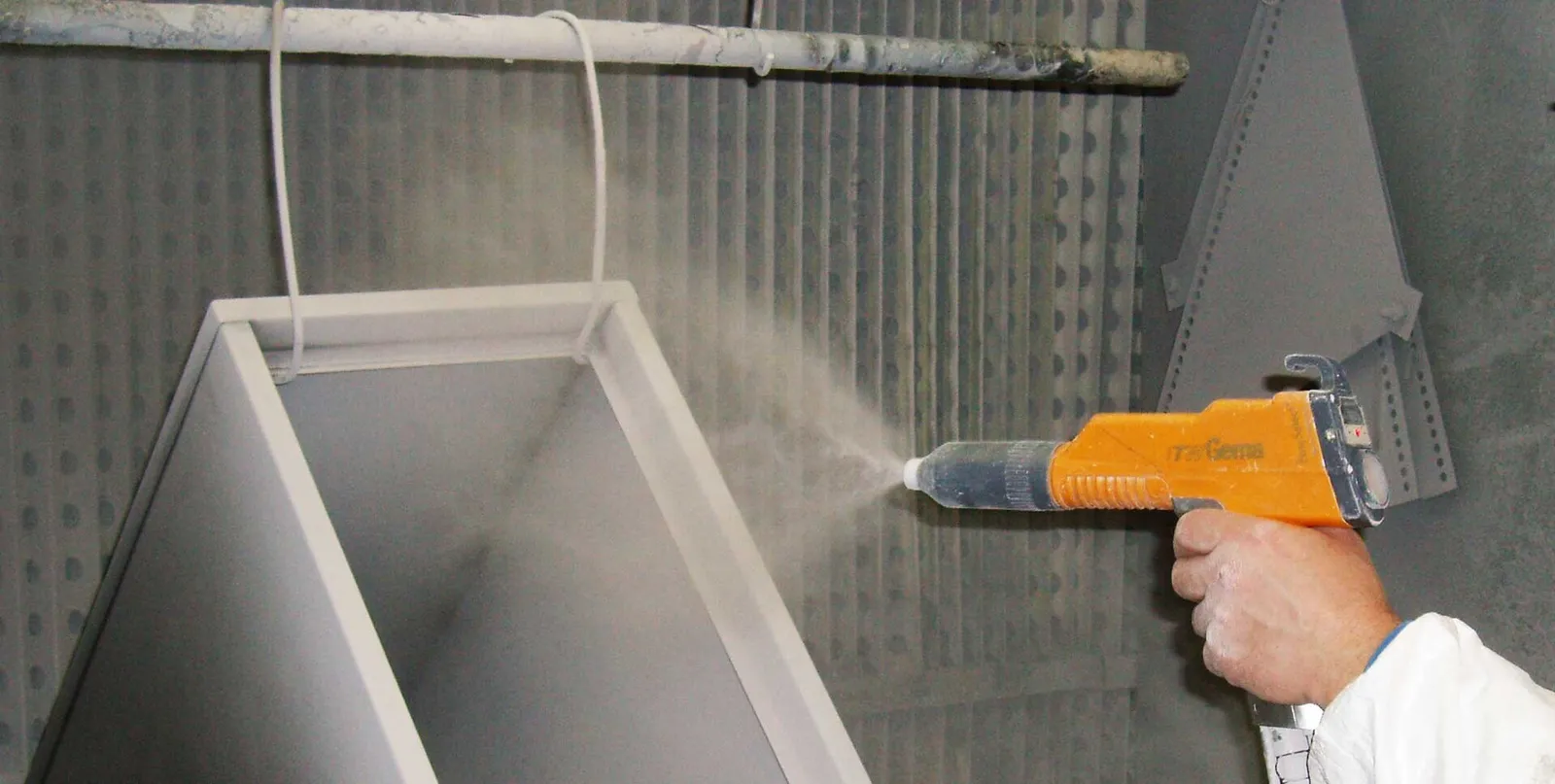
Lead Technical Image
Add a hero-level manufacturing, tooling, or component image that reinforces the article topic above the body copy.
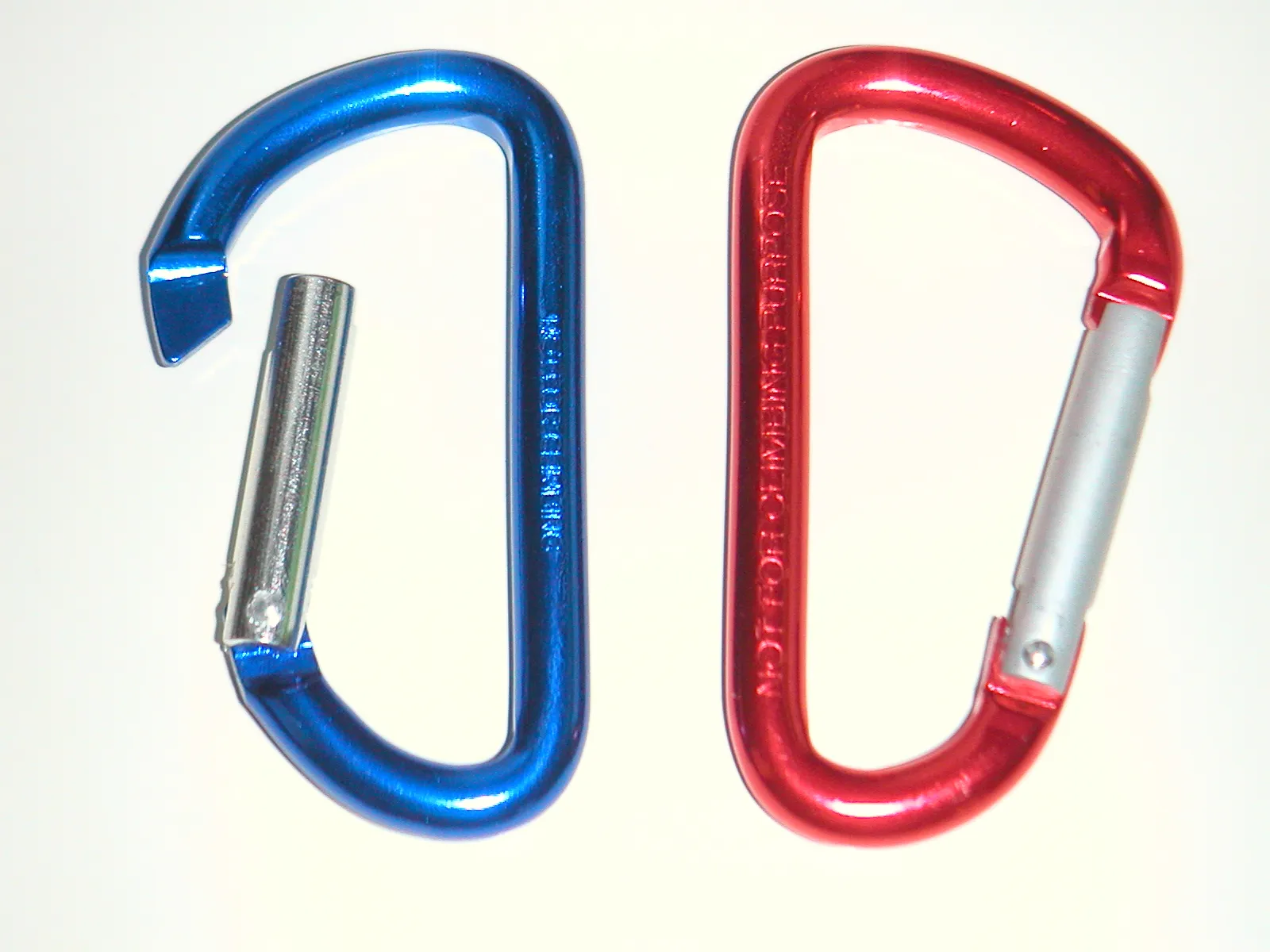
Comparison or Detail Image
Reserve a second image for an alloy comparison, defect example, tooling detail, or application close-up deeper in the article.
Anodizing and powder coating are the two finishes buyers compare most often for aluminum parts - but they behave very differently on die cast parts than on extrusions or machined billet. Anodizing grows a thin, hard oxide layer out of the metal itself; powder coating sprays on a thick, decorative polymer skin. On a die casting, the alloy's silicon content usually makes the decision for you.
Here is the honest comparison, written for buyers specifying finishes on aluminum, zinc, and magnesium die castings.
Anodizing vs Powder Coating at a Glance
| Factor | Anodizing (Type II) | Powder Coating |
|---|---|---|
| What it is | Electrochemically grown aluminum oxide | Electrostatically sprayed, oven-cured polymer |
| Typical thickness | 5-25 um | 60-100 um |
| Look | Metallic, translucent, limited colors | Opaque, any RAL color, gloss/matte/texture |
| Feel | Hard, metallic | Smooth, slightly "plastic" |
| Corrosion protection | Good (better when sealed) | Very good when film is intact |
| Wear/scratch | Very hard surface; cannot peel or chip | Tough but can chip at edges and impacts |
| Electrical behavior | Insulating (mask grounding points) | Insulating (mask grounding/EMI contacts) |
| Die cast alloy fit | Poor on high-silicon alloys (A380, ADC12) | Excellent on almost any cast alloy |
| Typical use | Cosmetic aluminum parts, wear surfaces | Housings, enclosures, outdoor parts |
The Silicon Problem - Why Most Die Castings Anodize Poorly
This is the point most comparison articles miss, and it matters more than any other.
Wrought aluminum (6061, 6063) anodizes beautifully. Die casting alloys are different: A380 and ADC12 contain roughly 8-12% silicon. Silicon does not anodize - it stays in the surface as dark particles, so the anodic film comes out gray, streaky, or blotchy instead of bright and uniform. Color dyeing makes the unevenness more visible, not less.
What that means in practice:
- A380 / ADC12: anodizing is generally not recommended for cosmetic surfaces. Powder coat or paint instead.
- A360: lower silicon, better anodizing response - but still needs a process trial before you commit a program to it.
- Zinc and magnesium castings: cannot be anodized at all in the conventional sense. Zinc takes plating or powder coat; magnesium takes conversion coating plus paint or powder.
If a supplier promises decorative black anodizing on A380 die castings, ask for a production sample before you believe it.
Where Powder Coating Wins
Cosmetic freedom. Any RAL color, any gloss level, textures that hide flow lines and minor cast surface variation. If brand color matters, powder coating is the default.
Corrosion protection per dollar. A properly pretreated powder coated die casting handles outdoor service - LED housings, enclosures, brackets - for years. The thick film (60-100 um) bridges small surface pores that would show through thinner finishes.
Alloy independence. Powder coat does not care whether the substrate is A380, Zamak 3, or AZ91D. One finishing line covers your whole part mix.
Dielectric insulation. Where an insulating surface is a requirement (not a problem), powder coat delivers it with better impact resistance than anodize.
Where Anodizing Wins
Dimensional integrity. At 5-25 um, anodize adds far less buildup than powder coat - and roughly half of that growth is into the metal, not on top of it. Precision bores, threads, and mating faces survive unmasked more often.
Metallic appearance. Nothing else looks like anodized aluminum. If the part is visible and the design language says "metal," anodize is the only route.
Hardness and wear. The anodic layer is ceramic-hard. Sliding surfaces, handles, and parts that see abrasion hold up better anodized than powder coated - on alloys that anodize well.
No chipping, ever. Because the layer is part of the metal, there is no coating to delaminate. Edge impacts scratch rather than flake.
The Hidden Die Casting Issue with Powder Coating: Outgassing
Die castings trap gas - that is the nature of high-pressure injection. During powder coat curing at 180-200°C, that trapped gas expands and escapes through the coating, leaving pinholes or blisters in the finish.
Mitigations exist: a degassing bake before coating, lower-cure powders, and controlling porosity at the casting stage. But buyers should know this is a casting quality issue that shows up as a finishing defect. If your powder coated parts show pinholes, the fix usually starts in the foundry, not the paint line. See die casting defects for how porosity forms and how it is controlled.
Thickness, Tolerance, and Masking
Finish choice is a design decision, not an afterthought:
- Powder coat (60-100 um): buildup accumulates in recesses, blind holes, and on threads. Tapped holes and precision bores need masking or post-tapping. Assembly gaps must allow for coating on both mating faces.
- Anodize (5-25 um): rarely breaks tolerances, but grounding points and electrical contact areas need masking because the film is insulating.
- Either way: call out the finish - and the surfaces that must stay uncoated - on the drawing before tooling release. Changing the finish after die approval often forces gate, vent, and machining-allowance changes.
For a broader view of every finish option (plating, conversion coating, shot blasting, polishing), see the die casting surface finishing guide.
Quick Decision Guide
| Your priority | Choose |
|---|---|
| Brand color, outdoor durability, any alloy | Powder coating |
| Metallic look on aluminum | Anodizing (low-silicon alloy only) |
| Tight tolerances, minimal buildup | Anodizing |
| A380/ADC12 cosmetic part | Powder coating (anodizing will disappoint) |
| High-wear surface | Anodizing |
| Zinc or magnesium casting | Powder coating (or plating for zinc) |
| Hiding cast surface variation | Powder coating with texture |
Frequently Asked Questions
Can you anodize A380 die cast aluminum?
Technically yes, cosmetically no. The 8-12% silicon content produces a dark, uneven film that most buyers reject for visible parts. Functional anodizing on A380 is possible; decorative anodizing should move to A360 - with a sample run first - or to powder coating.
Is powder coating or anodizing more durable?
Different failure modes. Anodize is harder and never chips, but it scratches and dyed colors can fade in UV. Powder coat is softer but absorbs impacts better and keeps its color outdoors. For outdoor enclosures, powder coat usually wins on total appearance life.
Which is cheaper, anodizing or powder coating?
On die castings, powder coating is typically cheaper per part at volume because it runs on any alloy with fewer rejects. Anodizing's cost climbs when the substrate is marginal - and on high-silicon die castings the reject risk is real.
Can you powder coat over anodized aluminum?
Yes, but there is rarely a reason to. More common on die castings is powder coat over a chromate conversion coating pretreatment, which improves adhesion and corrosion underfilm resistance.
What finish should I choose for a heat sink housing?
Powder coat insulates thermally as well as electrically - keep it off thermal contact faces, or accept the performance hit. Bare or conversion-coated metal conducts far better. See aluminum die casting heat sink for thermal design trade-offs.
Why does powder coating sometimes bubble on die castings?
It is called outgassing. Near-surface porosity in the casting — and any oils or fluids held in it from machining — expands when the part reaches the powder's cure temperature, and the escaping gas pushes bubbles and pinholes through the film. The common mitigations: a pre-bake (an outgassing bake) before coating to drive volatiles out in advance, and selecting a lower-temperature-cure powder, which reduces the heat-driven gas release — though neither eliminates the physics, and the right process depends on the casting and the coating system. Specifying impregnation before coating is another lever when porosity is chronic. This is a casting-specific failure mode a coater cannot see coming on a clean, dry part — which is why it belongs in the RFQ conversation, not in a dispute after the first batch blisters.
Does blast media choice matter on castings?
More than most specifiers realize. Aluminum oxide media cuts a rough, angular profile that gives powder a mechanical tooth to grip — the profile the process wants on a cast surface. Glass bead media peens and smooths rather than cuts, leaving less tooth; some coaters still run glass bead successfully within a fuller pretreatment chain, and an adhesion promoter can compensate, but on castings the safer default is the angular media. The general rule worth writing into a spec: the blast step exists to create a defined surface profile, and the media choice sets whether that profile is a tooth or a polish — degreasing before blast, cleaning after it, and a conversion coating where the system calls for one each do their own share of the adhesion work.
Related Reading
- die casting surface finishing guide - all finish options compared
- chromate conversion coating - the pretreatment under good powder coat
- bead blasting - surface prep that decides finish quality
- die casting surface finishing services - KastMfg finishing capability
- a360 aluminum - the die cast alloy that anodizes best
Finish selection help: send your drawing and cosmetic standard to casting@kastdiecast.com | +86 138 1403 4409 | No.6, Rungu Road, Nanjing, China
About The Author
Mike Yao on anodizing vs powder coating
Technical Director, Die Casting Engineering
Technical Director at KastMfg with 20+ years in high-pressure die casting, leading engineering and program management across aluminum, zinc, and magnesium programs for automotive, EV, electronics, and medical OEMs worldwide.
View author profileRelated Reading
Keep exploring the blog
As-Cast Surface Finish: What Die Castings Really Look Like
As-Cast Surface Finish: What Die Castings Really Look Like "As-cast" is the surface a die casting carries the moment it leaves the die and the trim press - no blasting, polishin...
Mike Yao
8 min read
Aluminum vs Zinc Die Casting - How to Choose
Aluminum vs Zinc Die Casting — Choosing the Right Material for Your Part Aluminum and zinc are the two dominant die casting metals globally, together accounting for over 90% of...
Mike Yao
5 min read
Can Steel Be Die Cast? Why Conventional HPDC Says No
Can Steel Be Die Cast? Why Conventional HPDC Says No No - steel cannot be made by conventional high-pressure die casting. The commercial process is limited to zinc, magnesium an...
Mike Yao
6 min read
E-Coating (Electrocoating) for Die Cast Parts
E-Coating for Die Cast Parts: What It Is, When to Specify E-coating - the name you will also see written as e coating, electrocoating, electrophoretic coating, or CED (cathodic...
Mike Yao
6 min read