Can Steel Be Die Cast? Why Conventional HPDC Says No
Steel die casting explained: why steel cannot be die cast like aluminum or zinc, what processes actually make near-net-shape steel parts, and when a die cast alloy can replace steel.

Technical Director, Die Casting Engineering
Blog Visual Plan
Article visuals for steel die casting
These visuals use your current KastMfg image library now, and they will automatically switch to article-specific images when you add them later.
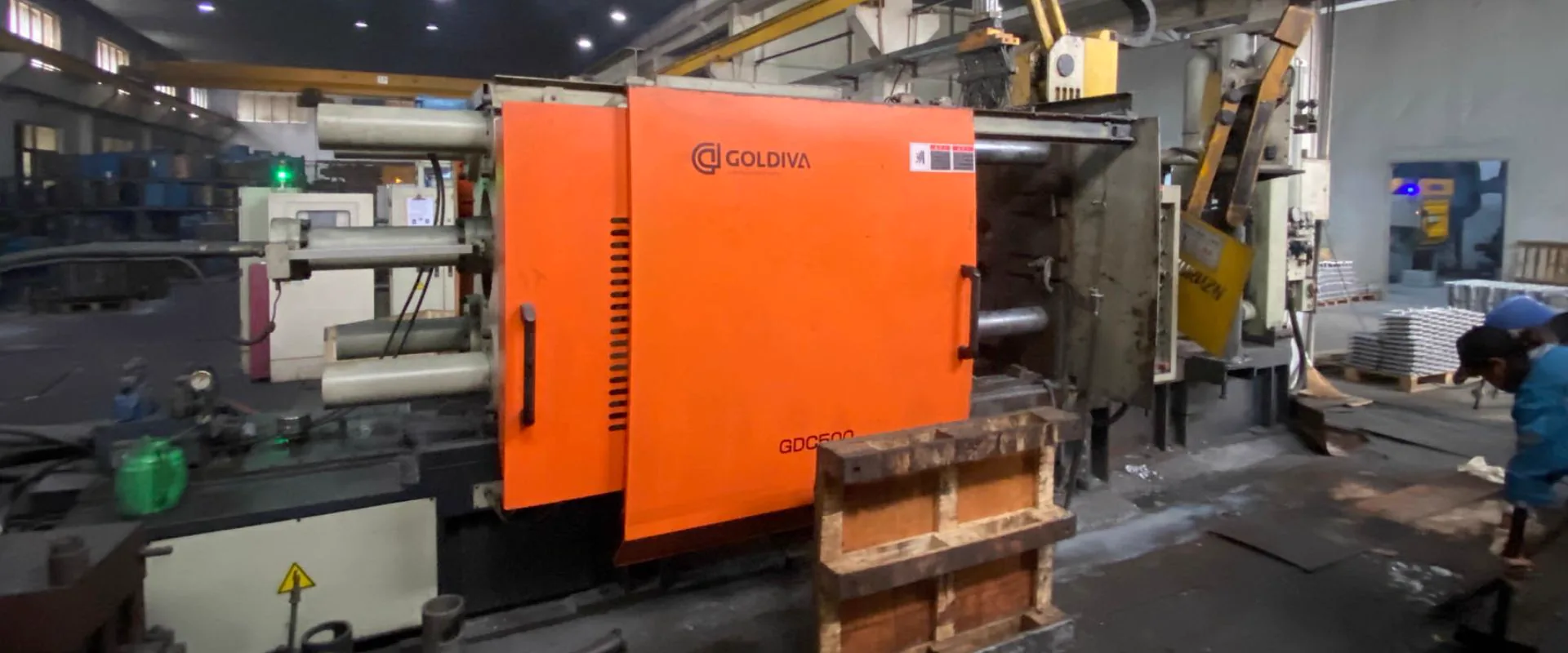
Lead Technical Image
Add a hero-level manufacturing, tooling, or component image that reinforces the article topic above the body copy.
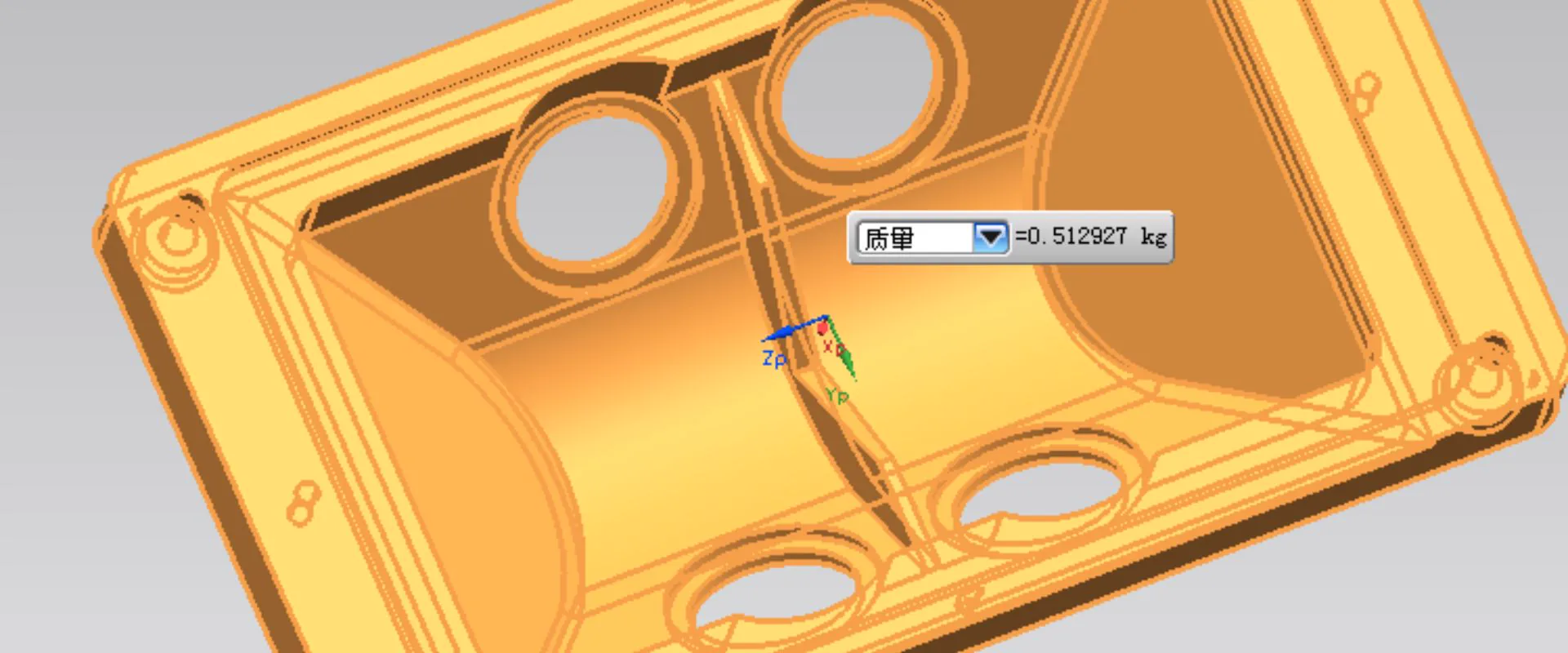
Comparison or Detail Image
Reserve a second image for an alloy comparison, defect example, tooling detail, or application close-up deeper in the article.
No - steel cannot be made by conventional high-pressure die casting. The commercial process is limited to zinc, magnesium and aluminum, because steel pours at roughly 1500°C or higher - far beyond the temperature range where H13 and H11 hot-work die steels retain useful strength. Steel parts are produced by sand casting, investment casting, forging, CNC machining and metal injection molding (MIM) instead.
That is the short answer. The rest of this page walks the question the way a buyer actually meets it: the temperature account that rules steel out, why the three die-castable metals work, the correct process for a steel part, where semi-solid steel research honestly stands, and what to do when the drawing says steel but the volumes say die casting.
The Temperature Account: Molten Steel vs the Die That Contains It
High-pressure die casting (HPDC) injects molten alloy into a hardened tool-steel die at speed and pressure. The metal solidifies in seconds, the die opens, the part ejects, and the die closes to do it again - cycle after cycle, shift after shift. Everything about the process economics rests on one object surviving that loop: the die, which must hold its dimensions and its surface while molten metal repeatedly washes its cavity.
The three commercial die casting families melt hundreds of degrees below steel. Zinc alloys melt around 420°C; magnesium and aluminum sit near 650-660°C. Those temperatures fall inside the working window of hot-work die steels such as H13 and H11 - grades specifically alloyed to keep useful strength at elevated temperature. Dies still wear, and aluminum HPDC in particular is hard on tooling, but the wear is manageable and the process economics hold. That is why aluminum die casting, zinc die casting and magnesium die casting are established industries.
Molten steel lives in a different regime. Steel pours at roughly 1500°C or higher - far above the practical hot-strength limit of the H13/H11 tool steels a die is made from. At those temperatures the die faces soften, heat-check and erode rapidly, and molten steel attacks the steel die itself through soldering - the die is steel, and the pour is hot enough to compromise steel. Tool life collapses to the point where no commercial process exists - not a slightly worse die casting process, but none at all.
Why Zinc, Magnesium and Aluminum Work - and Steel Does Not
The pattern worth remembering: the lower and gentler the melt, the kinder it is to the die - and the die's condition prints directly onto the part.
| Metal | Approximate melt territory | Behavior against a steel die |
|---|---|---|
| Zinc (Zamak family) | ~420°C | Lowest-temperature regime of the three; gentlest on tooling; finest surface and detail reproduction - the small-precision-parts metal |
| Magnesium (AZ91D family) | ~650°C | Lightest structural die casting metal; hot but comfortably workable with hot-work die steels |
| Aluminum (A380 family) | ~660°C | The structural workhorse; the hardest of the three on dies, still well inside the die-steel window |
| Steel | 1500°C and up | Far beyond the hot-strength range of H13/H11; conventional HPDC is not practiced on steel |
As melt temperature climbs, every die-wear mechanism accelerates: thermal fatigue, heat checking, soldering, washout. Aluminum already pushes dies hard and pays for it in tooling maintenance. Steel is not a small step past aluminum - it is far past the cliff, which is why the list of die-castable metals has long been zinc, magnesium and aluminum. For the full map of what the process can and cannot run, see the materials overview.
The Correct Routes for a Steel Part
If the part must be steel, these are the established routes. None is "the steel version of die casting" - each is its own process with its own geometry language:
| Route | Where it fits | What to watch |
|---|---|---|
| Sand casting | Larger steel parts, moderate complexity, low-to-mid volumes | Generous tolerances and rougher surfaces; critical faces machined afterward |
| Investment casting | Complex steel geometry needing better surface and detail than sand gives | Higher per-part cost than sand; the trade-offs are laid out in die casting vs investment casting |
| Forging | Highest-strength, highest-toughness stressed components | Grain flow is the prize; geometry freedom is narrower than casting - see die casting vs forging |
| CNC machining | Precision steel parts from billet at lower volumes, or simple geometry | Cost scales with the metal removed; the crossover logic against cast aluminum is in die casting vs machined aluminum |
| Metal injection molding (MIM) | Small, complex, high-precision steel parts | Excellent at surgical-scale steel components, but MIM is not simply interchangeable with casting or forging |
The MIM row deserves its own paragraph, because buyers ask about it most. MIM molds a mixture of fine steel powder and binder, then debinds and sinters the part to solid metal. It genuinely shines on small, intricate steel components - exactly the sizes that make people wish for "steel die casting." But the phrase to carry into a sourcing discussion is that MIM is not simply interchangeable with casting or forging: it is a sintered powder product, not a solidified casting or a worked forging, so density, porosity behavior, part size limits and cost structure all differ. A casting-to-MIM or forging-to-MIM move is a redesign conversation with its own qualification, not a swap.
Semi-Solid Steel: Studied, Not Routine
Semi-solid processing - shaping metal at a temperature between solid and liquid, where it flows like a slurry instead of splashing like a liquid - is a real commercial idea in the lower-melting world; magnesium thixomolding is the established commercial case. For steel, the honest status is that semi-solid forming has been studied but is not established as routine commercial HPDC. That sentence cuts both ways, and both directions matter. It is not fringe speculation: research programs and pilot-scale work on semi-solid steel forming exist in the literature. And it is not a production option: no routine commercial HPDC route for steel exists today. A buyer who needs steel parts this quarter specifies one of the five routes above and treats semi-solid steel as an area to watch, not a line on a quote.
The Drawing Says Steel, but the Volumes Say Die Casting
The most common real-world version of this question: a steel machined or fabricated part whose volumes have outgrown its piece price. The honest answer is a conversion project - not a like-for-like material swap.
The conversion path runs through aluminum, and it works as a sequence:
- Re-verify structural margin first. Strength and stiffness do not transfer one-for-one from steel to aluminum. The redesign re-checks loads, deflection and attachment points, then recovers margin with geometry: ribs, bosses, thicker walls, added fastener lands. The usual windfall arrives alongside - at equal volume an aluminum part weighs roughly one third of the steel original.
- Pick the alloy for the loads. The A380 family is the structural default; neighbors trade fluidity, strength and anodizing response. The selection ground is covered in aluminum for die casting, with the Japan-market counterpart in the ADC12 vs A380 comparison.
- Reset dimensional expectations. As-cast features carry die casting tolerances rather than machined-steel tolerances, and critical faces machine after casting - the realistic bands are in the die casting tolerances guide.
- Plan the surface story early. A converted part ships with an as-cast surface on most faces; what that means in roughness terms, and how texture gets engineered into the die, is covered in as-cast surface finish.
- Check whether steel was a requirement or a habit. If the part is steel for wear, high-temperature strength or magnetic reasons, it stays steel - MIM, forging or investment casting is the answer. If steel was simply the sheet-metal-era default, conversion usually opens weight reduction and part consolidation, with one casting replacing a weldment. The same conversion logic serves equipment enclosures across industries, including the non-implant components covered in medical device die casting.
Frequently Asked Questions
Can steel be die cast?
No. Conventional high-pressure die casting is limited to zinc, magnesium and aluminum. Steel pours at roughly 1500°C or higher, far beyond where H13/H11 die steels retain useful hot strength, so the tooling cannot survive the process commercially.
Can stainless steel be die cast?
No - stainless steels occupy the same high-temperature territory as carbon and alloy steels, so the same die-steel limit applies. Stainless components are produced by investment casting, forging, CNC machining and MIM, chosen by size, complexity and volume.
What is the closest thing to a die-cast steel part?
Two candidates, neither a substitute. Metal injection molding makes small, complex steel parts with die-casting-like geometry freedom - but MIM is not simply interchangeable with casting or forging. For larger parts, converting the design to an aluminum die casting keeps the net-shape economics.
Related
- die casting vs investment casting - the steel-capable casting alternative
- die casting vs forging - the strength route for steel
- die casting vs machined aluminum - the conversion crossover logic
- aluminum for die casting - alloy selection for the converted part
- die casting tolerances - what cast features hold
- request a quote
Have a steel part you want to move to die casting? Send your package through the request a quote page or email casting@kastdiecast.com:
- CAD or PDF drawing of the current steel part
- Loads, pressures and specs the redesign must still meet
- Openness to an aluminum conversion, or the reason steel is required
- Annual volume and expected program life
- Surface finish and coating intent for the converted part
- Critical dimensions that will machine after casting
- Destination country and delivery term
KastMfg Manufacturing Co., Ltd. Email: casting@kastdiecast.com | Phone: +86 138 1403 4409 No.6, Rungu Road, Nanjing, China
About The Author
Mike Yao on steel die casting
Technical Director, Die Casting Engineering
Technical Director at KastMfg with 20+ years in high-pressure die casting, leading engineering and program management across aluminum, zinc, and magnesium programs for automotive, EV, electronics, and medical OEMs worldwide.
View author profileRelated Reading
Keep exploring the blog
Aluminum vs Zinc Die Casting - How to Choose
Aluminum vs Zinc Die Casting — Choosing the Right Material for Your Part Aluminum and zinc are the two dominant die casting metals globally, together accounting for over 90% of...
Mike Yao
5 min read
Aluminum vs Stainless Steel: Casting Perspective
Aluminum vs Stainless Steel: Casting Perspective Aluminum weighs 2.70 g/cm3 against roughly 8 g/cm3 for stainless steel - about one-third the weight at equal volume - and, unlik...
Mike Yao
8 min read
Threaded Holes in Die Cast Aluminum: Guide
Threaded Holes in Die Cast Aluminum: Guide Ask a machining forum whether threads can be tapped straight into die cast aluminum and the answers split into two camps. One calls it...
Mike Yao
12 min read
Die Casting vs Permanent Mold Casting: Which to Choose?
Die Casting vs Permanent Mold Casting: How to Choose Die casting and permanent mold casting are both metal mold processes - both use reusable steel or iron dies rather than expe...
Mike Yao
8 min read