Vibratory Finishing for Die Castings: Guide
Vibratory finishing for die castings explained: how the mass finishing process works, choosing media (ceramic, plastic, porcelain, steel, corn cob), wet versus dry runs with compounds, where the step sits after trimming, and how it compares with tumbling and centrifugal finishing.

Technical Director, Die Casting Engineering
Blog Visual Plan
Article visuals for vibratory finishing
These visuals use your current KastMfg image library now, and they will automatically switch to article-specific images when you add them later.
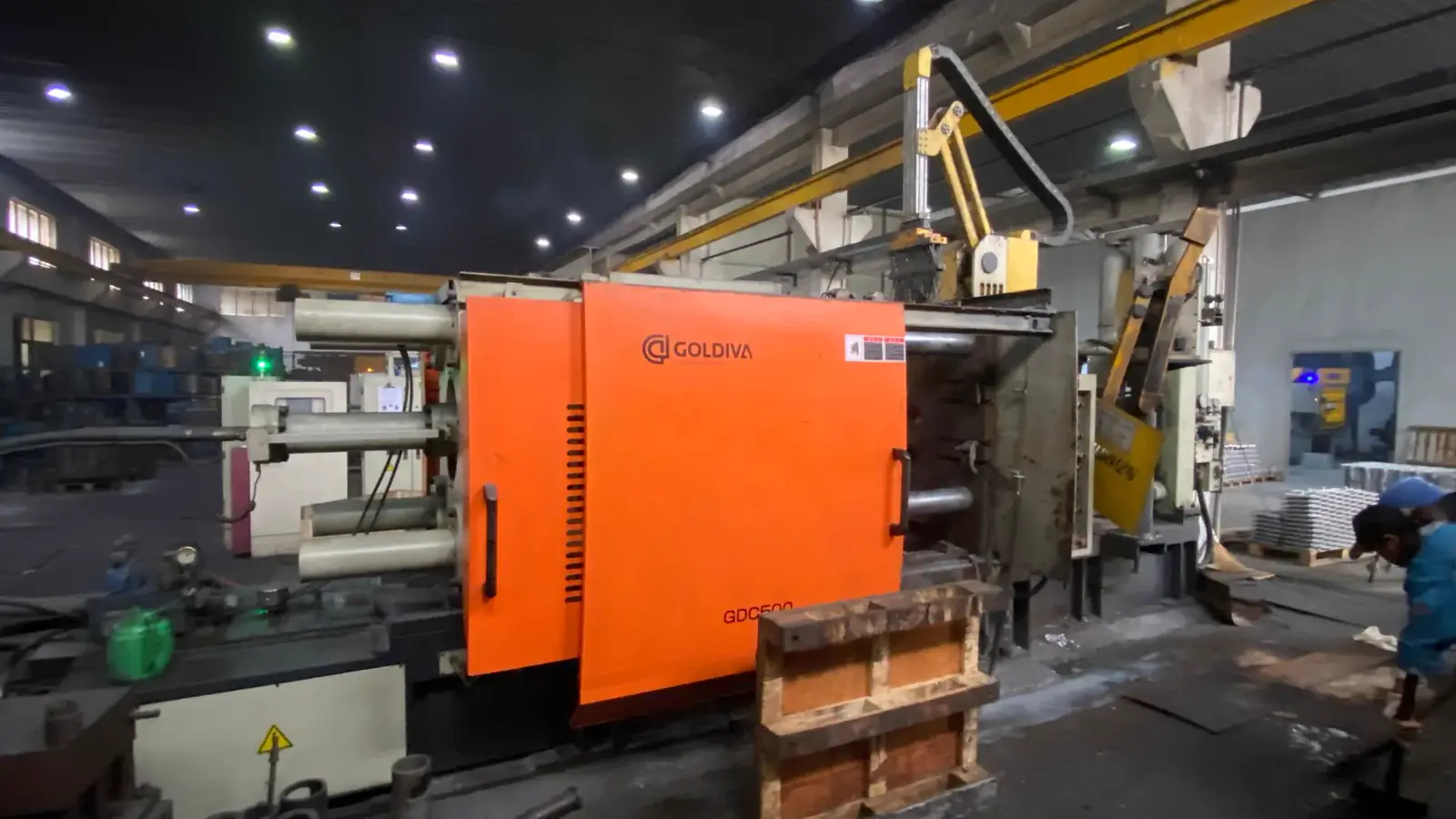
Lead Technical Image
Add a hero-level manufacturing, tooling, or component image that reinforces the article topic above the body copy.
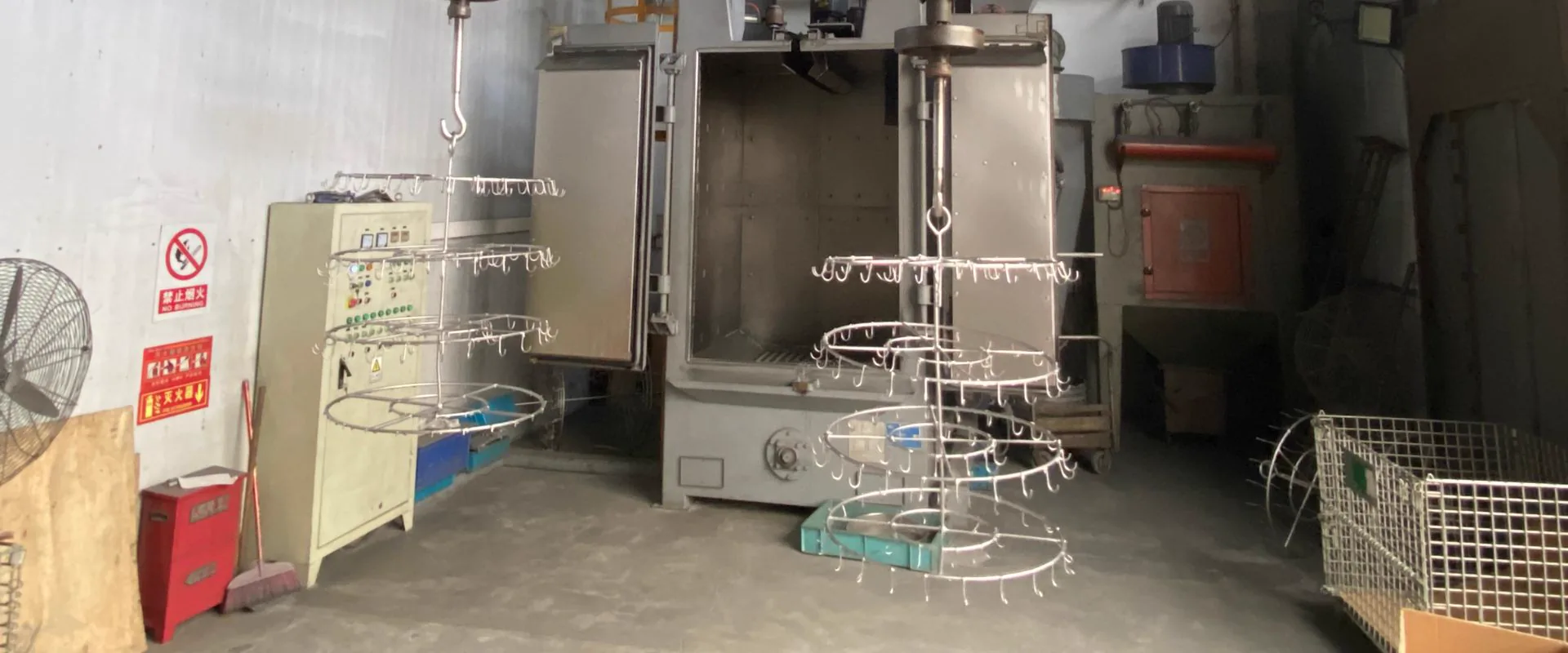
Comparison or Detail Image
Reserve a second image for an alloy comparison, defect example, tooling detail, or application close-up deeper in the article.
Vibratory finishing is a mass finishing process: parts, media and (usually) a liquid compound load into a vibrating bowl or trough, and the vibration sets the media mass flowing around the parts so it rubs every surface. On die castings that rubbing deburrs, rounds edges, strips oxide and leaves a uniform satin-to-matte surface ready for coating or plating. Cycles run from minutes to hours depending on the part, the media and the finish target, and the process runs wet or dry.
This page walks vibratory finishing the way a die casting buyer meets it: what it solves on castings, how to choose vibratory finishing media, wet versus dry operation, where the step sits between trimming and coating, how it compares with tumbling finishing and centrifugal systems, and what to write into an RFQ so the quoted process matches the part.
What Vibratory Finishing Solves on a Die Casting
A trimmed die casting still carries the signatures of its route: burrs where flash was sheared or where machining met the as-cast skin, sharp edges that are unpleasant to handle and hard to coat evenly, patches of oxide and die lubricant residue, and local texture differences between skin and machined areas. Vibratory finishing addresses all four in one step - vibratory deburring is the single most common job, followed by edge radiusing, surface preparation ahead of cosmetic coatings, and oxide or scale removal after storage or thermal exposure.
The mechanism explains the behavior: the container vibrates at high frequency and small amplitude, the media mass circulates, and each media piece slides against the parts. Cutting media removes metal from burrs and edges; non-cutting media burnishes instead. Rounded edges hold paint and plate more consistently than knife edges, and a uniform starting texture makes the final finish repeatable part to part - which is why the step so often sits directly ahead of anodizing, powder coating or plating.
Choosing Vibratory Finishing Media
Media are shaped chips - abrasive or non-abrasive - and the selection drives cut rate, finish quality and how gently the parts are treated:
| Media | Character | Where it fits on die castings |
|---|---|---|
| Ceramic media | Hard and dense, available across a wide range of shapes and abrasive levels | The general-purpose choice for aluminum die castings - deburring, edge rounding and surface refinement in wet runs |
| Plastic media | Lighter and softer, cuts slowly | Delicate zinc parts and pre-plate surfaces where an aggressive ceramic cut would do more than the part needs |
| Porcelain | Non-abrasive and dense | Burnishing - smoothing and brightening without removing much metal |
| Steel media | Heavy and non-cutting | High-luster burnishing, mostly on harder parts; less common on soft casting alloys |
| Corn cob and other organics | Absorbent granules, run dry | Drying parts after wet finishing, plus a final polish and brightening pass |
Two rules carry most of the weight: match media size to the part's smallest openings so chips cannot lodge in holes and recesses (covered below), and match the cut to the alloy and the next process - a surface headed for plating needs a different media and endpoint than one that ships as-cast with a broken edge.
Wet or Dry: What the Compound Does
Wet vibratory finishing circulates water plus a liquid compound through the media mass. The compound does several jobs at once: it keeps the media clean and cutting consistently, lifts and flushes soil and oxide off the parts, removes die lubricant residues, and adds corrosion inhibition so parts do not stain while they wait for the next operation. Wet runs are the normal choice for deburring and surface preparation work.
Dry runs use organic media such as corn cob with no water: they dry parts coming out of a wet cycle and add a polishing, brightening pass. Which route a part needs is a function of the finish spec; wet-cut-then-dry-polish is a common sequence, not a rule.
Where the Step Sits: After Trimming
The die casting route runs cast, trim, finish, clean, inspect, then coat, plate or ship. Flash removal happens at the trim operation first; vibratory finishing is used after trimming as one standard route for deburring and surface preparation on die castings - one route among several, chosen part by part. Manual touch-up fits low volumes and selective edges, machining fits precision features that must hold size, and blast processes fit texture and scale removal - see bead blasting for that route, and the die casting surface finishing guide or surface finishing services for how the options stack into a full sequence.
Vibratory vs Tumbling vs Centrifugal: No Universal Winner
The shorthand you will read everywhere - "vibratory is gentler and faster than tumbling" - is sometimes true and never a law. Which process comes out gentler or faster depends on the parts, the media and the equipment settings, and the honest comparison is mechanism by mechanism:
| Process | How it works | Typical character |
|---|---|---|
| Barrel tumbling | Parts and media tumble together in a rotating barrel | Long cycles; deep edge rounding; part-on-part contact; parts not visible mid-cycle |
| Vibratory finishing | Media mass circulates against parts in a vibrating open tub | Open access for in-process checks; suits large or awkward parts; cycle often shorter than barrel for light deburring work |
| Centrifugal finishing | High-energy rotation of a closed barrel | Fast and capable of high luster; suits small parts; more constrained on load size and geometry |
Read that as tendencies, not rankings: a delicate thin-wall casting can be damaged in either a barrel or a bowl with the wrong media, and a heavily-burred part can finish faster in a barrel than an under-loaded bowl. The choice is part-driven.
Die Casting Specifics: Thin Walls, Zinc vs Aluminum, Pre-Plate Prep
Three issues come up specifically because the parts are castings:
Media lodging. Die castings carry small holes, deep recesses and slots, and any opening comparable to a media chip is a lodging risk - a chip that wedges in a feature arrives at inspection as a defect and has to be picked or flushed out. Media size is chosen against the smallest opening, or the feature is masked, plugged, or machined after finishing.
Zinc versus aluminum. The two die casting metals respond differently to media. Zinc alloys are the softer of the families, and plastic media is commonly chosen for them to limit cutting and embedment; aluminum die castings more often run ceramic media where the job is real deburring and edge rounding. The designation families behind the two metals are laid out in the aluminum grades chart, with the process backgrounds in aluminum die casting and zinc die casting.
Pre-plate and pre-coat preparation. Plating and coating amplify whatever the surface carries into them: lubricant residue, oxide patches, or media fragments embedded under pressure. Vibratory finishing provides the uniform, clean starting surface the coater needs, but embedment has to be cleaned out before the part enters the plating line, or it surfaces later as a blemish. See anodizing vs powder coating for where each finish wants the surface, and chrome plating for the strictest pre-plate case.
What to Specify in the RFQ
The quote matches the part when the RFQ carries the finishing intent, not just the word "deburr":
- Which edges are functional and which are cosmetic, and the burr acceptance criterion as a defined edge condition
- Target surface roughness before and after finishing, where a coating depends on it
- Media or process restrictions - anything that must not embed ahead of plating, or an approved sequence
- Post-finishing cleaning and drying requirements
- Part features at risk of media lodging, flagged on the drawing
Frequently Asked Questions
What is vibratory finishing?
A mass finishing process: parts run in a vibrating bowl or trough with media and, usually, a liquid compound. The vibration makes the media rub the parts, removing burrs, rounding edges, cleaning oxides and refining the surface. It runs wet or dry.
How long does a vibratory finishing cycle take?
From minutes to hours. The cycle depends on the part, the media, the loading, the equipment settings and how much change the spec requires - a sample run on the actual parts is what sets the real number for production.
Is vibratory finishing better than tumbling?
It depends on the parts, the media and the settings. Vibratory offers open access for in-process checks and suits large or delicate parts in many cases; barrel tumbling can deliver deeper rounding over long cycles; centrifugal systems finish small parts fast with high luster. Neither vibratory nor tumbling wins universally.
Related
- die casting surface finishing guide - the full finishing sequence
- bead blasting - the blast route to a similar endpoint
- anodizing vs powder coating - where each coating wants the surface
- chrome plating - the strict pre-plate preparation case
- surface finishing services - what the shop runs
- request a quote
Deburring or surface prep to quote on castings? Send your package through the request a quote page or email casting@kastdiecast.com:
- CAD or PDF drawing of the final part
- Alloy and designation - aluminum or zinc, in either designation system
- Annual volume and expected program life
- Burrs and edge condition: where burrs are unacceptable and the target edge break
- Surface roughness target before any coating, if specified
- Finishing restrictions - media, sequence or cleaning requirements ahead of plating
- Destination country and delivery term
KastMfg Manufacturing Co., Ltd. Email: casting@kastdiecast.com | Phone: +86 138 1403 4409 No.6, Rungu Road, Nanjing, China
About The Author
Mike Yao on vibratory finishing
Technical Director, Die Casting Engineering
Technical Director at KastMfg with 20+ years in high-pressure die casting, leading engineering and program management across aluminum, zinc, and magnesium programs for automotive, EV, electronics, and medical OEMs worldwide.
View author profileRelated Reading
Keep exploring the blog
Can Steel Be Die Cast? Why Conventional HPDC Says No
Can Steel Be Die Cast? Why Conventional HPDC Says No No - steel cannot be made by conventional high-pressure die casting. The commercial process is limited to zinc, magnesium an...
Mike Yao
6 min read
Die Casting vs Permanent Mold Casting: Which to Choose?
Die Casting vs Permanent Mold Casting: How to Choose Die casting and permanent mold casting are both metal mold processes - both use reusable steel or iron dies rather than expe...
Mike Yao
8 min read
Die Casting Die Explained - Anatomy, Steel, Life, and Cost
Die Casting Die - What It Is, How It's Built, and What It Costs A die casting die is a precision steel mold - typically two machined halves of H13 hot-work tool steel - that sha...
Mike Yao
5 min read
Die Casting Tooling Steel: H13 vs P20 Compared
H13 vs P20 Die Casting Tooling Steel - When to Use Each H13 and P20 are both tool steels, but they are not equal choices for die casting. H13 is the standard for production die...
Mike Yao
6 min read