Magnesium Die Casting Applications & Key Uses
Guide to magnesium die casting applications for electronics and automotive parts, including weight reduction, alloys, finishing, and design risks.

Technical Director, Die Casting Engineering
Blog Visual Plan
Article visuals for magnesium die casting applications
These visuals use your current KastMfg image library now, and they will automatically switch to article-specific images when you add them later.
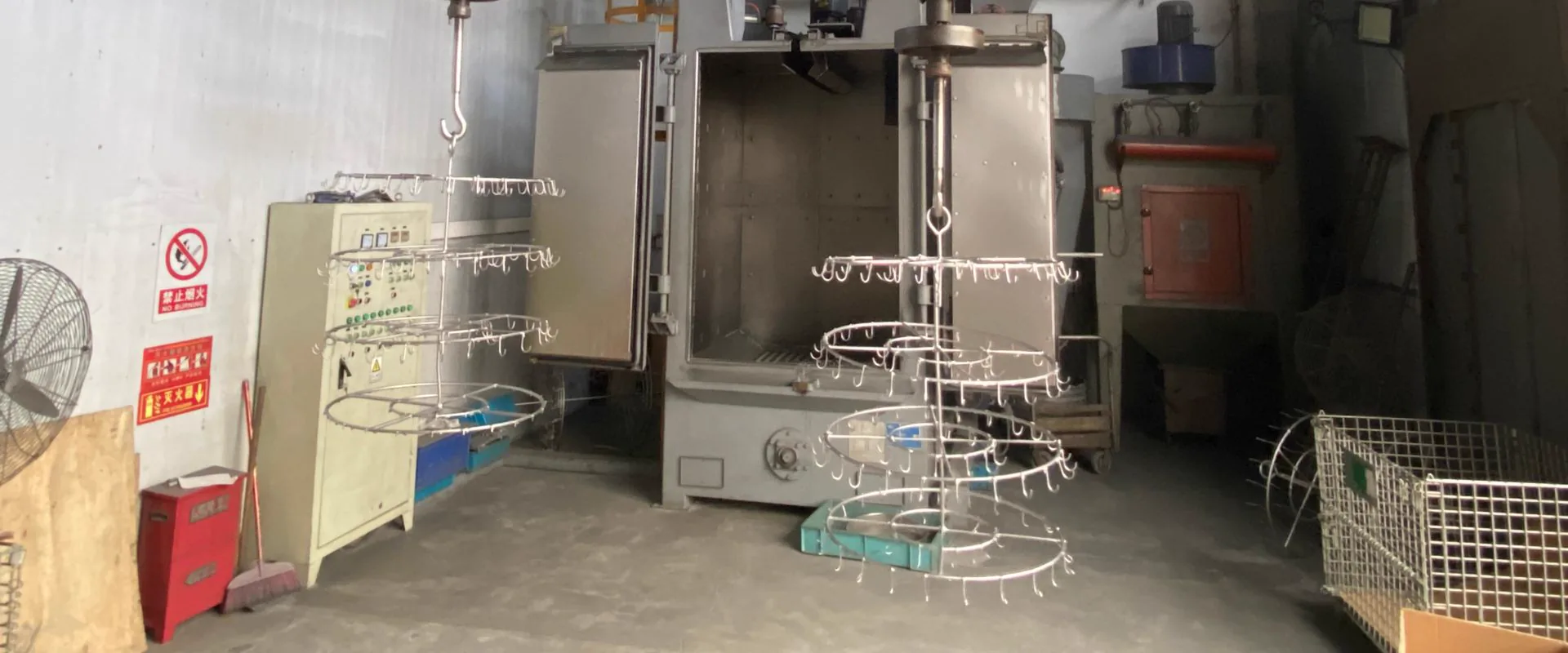
Lead Technical Image
Add a hero-level manufacturing, tooling, or component image that reinforces the article topic above the body copy.
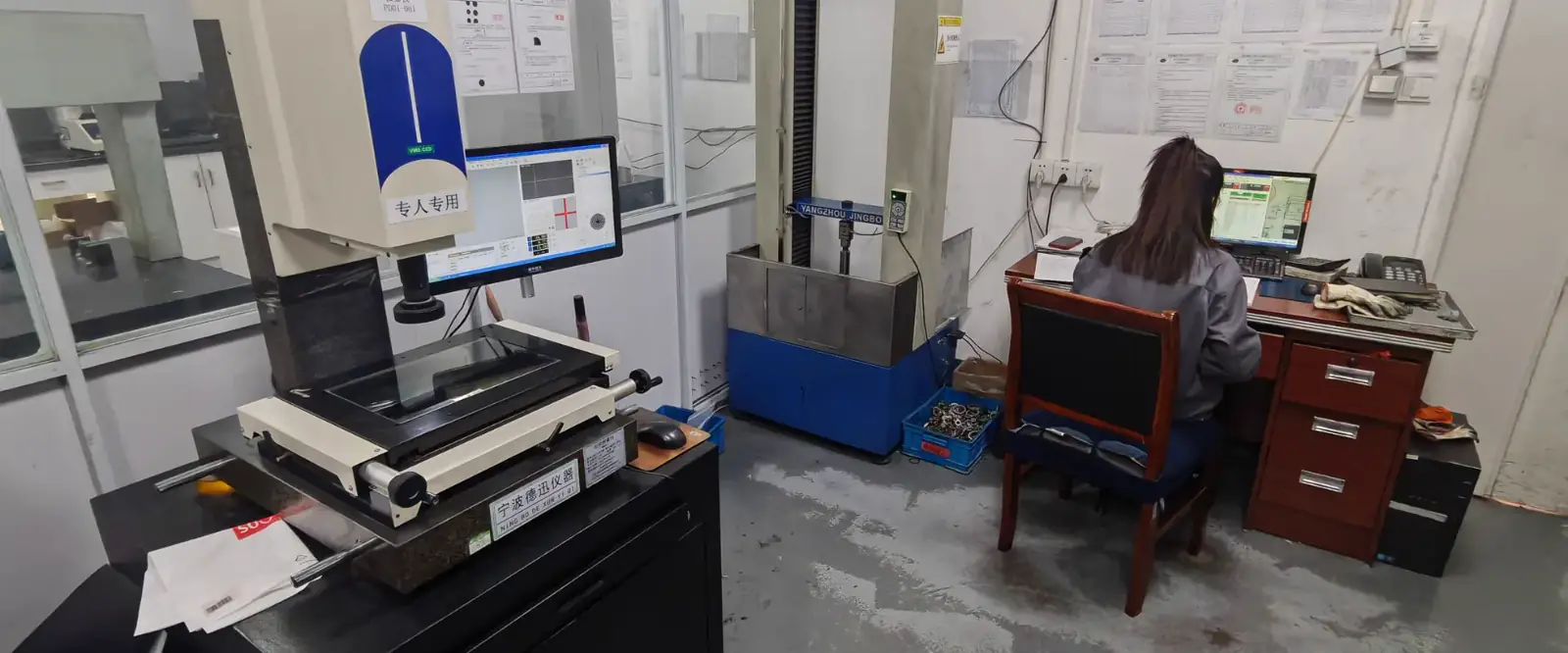
Comparison or Detail Image
Reserve a second image for an alloy comparison, defect example, tooling detail, or application close-up deeper in the article.
Magnesium die casting applications are strongest when lightweight structure, stiffness, thin-wall geometry, and premium feel matter. Magnesium alloys are commonly reviewed for electronics housings, laptop chassis, handheld devices, automotive brackets, steering components, and lightweight structural covers.
Magnesium is not a universal replacement for aluminum or zinc. It should be selected when weight reduction and stiffness justify the added attention to alloy handling, corrosion protection, surface finishing, and process control.
Common Magnesium Die Casting Applications
| Application | Why Magnesium Fits |
|---|---|
| Laptop and tablet chassis | Low weight, stiffness, thin-wall geometry |
| Camera and handheld device housings | Premium feel and lightweight structure |
| Automotive brackets | Weight reduction with structural performance |
| Steering wheel frames | Lightweight metal structure |
| Power tool housings | Strength-to-weight and durable feel |
| Drone and robotics parts | Low mass with integrated geometry |
| Medical device housings | Lightweight metal enclosure with machining options |
Magnesium is especially useful when the buyer wants a metal part but needs lower mass than aluminum.
Magnesium vs Aluminum vs Zinc
| Requirement | Magnesium | Aluminum | Zinc |
|---|---|---|---|
| Weight reduction | Strongest fit | Good | Weak due to density |
| Thin-wall capability | Strong | Good | Strong for small parts |
| Large housings | Good with review | Strong | Usually less suitable |
| Decorative plating | Limited compared with zinc | Possible with finish review | Strong |
| Corrosion protection | Requires careful finishing | Good with finish | Good with plating/coating |
| Premium handheld feel | Strong | Good | Heavy, solid feel |
For electronics and portable products, magnesium is often selected because the part feels rigid without becoming heavy.
Common Alloys
| Alloy | Typical Direction |
|---|---|
| AZ91D | Common magnesium die casting alloy for housings and structural covers |
| AM60B | Often reviewed for applications needing better ductility or impact behavior |
For more detail, see AZ91D magnesium and AM60B magnesium.
Design and Manufacturing Risks
Magnesium die casting projects should review:
- Corrosion protection and coating system
- Galvanic corrosion when assembled with steel, aluminum, or copper
- Thin-wall filling and local hot spots
- Machining chips and shop safety controls
- Thread strategy, inserts, and fastener loads
- Cosmetic finish expectations
- Packaging to protect coated surfaces
- Production volume and tooling economics
Most magnesium failures are not caused by the alloy alone. They come from unclear finishing, assembly, or environmental requirements.
Surface Finishing for Magnesium
Magnesium die castings often need finishing to improve corrosion resistance and appearance:
- Conversion coating
- Painting
- Powder coating
- E-coating depending on requirements
- Machining plus localized protection
- Masking for electrical or grounding areas
The finishing plan should be defined before tooling because coating thickness, masking, and cosmetic standards can affect geometry and inspection.
Buyer RFQ Checklist
Send the supplier:
- 3D model and 2D drawing
- Target alloy if specified
- Weight target or reason for using magnesium
- Surface finish and color requirements
- Corrosion or salt spray requirement
- Mating materials and fasteners
- Annual volume
- Cosmetic surface zones
- Packaging requirements
For a production example, see the magnesium laptop chassis case study and the magnesium die casting service page.
FAQ
What is magnesium die casting used for?
Magnesium die casting is used for lightweight electronics housings, laptop chassis, handheld devices, automotive brackets, steering components, power tool housings, and other weight-sensitive metal parts.
Is magnesium lighter than aluminum?
Yes. Magnesium is lighter than aluminum, which makes it attractive for portable electronics and lightweight automotive components. The final benefit depends on part geometry and design.
What magnesium alloy is common for die casting?
AZ91D is a common magnesium die casting alloy for housings and structural covers. AM60B is also used when ductility or impact behavior is important.
Does magnesium need surface treatment?
Most magnesium die castings need a defined surface treatment or coating plan to control corrosion, appearance, and assembly performance.
About The Author
Mike Yao on magnesium die casting applications
Technical Director, Die Casting Engineering
Technical Director at KastMfg with 20+ years in high-pressure die casting, leading engineering and program management across aluminum, zinc, and magnesium programs for automotive, EV, electronics, and medical OEMs worldwide.
View author profileRelated Reading
Keep exploring the blog
Die Casting Design Guide: Rules, Tolerances & DFM
Die Casting Design Guide: Rules That Cut Cost and Improve Quality Good die casting design is the single biggest lever on part cost and quality - more than the alloy, more than t...
Mike Yao
5 min read
Threaded Holes in Die Cast Aluminum: Guide
Threaded Holes in Die Cast Aluminum: Guide Ask a machining forum whether threads can be tapped straight into die cast aluminum and the answers split into two camps. One calls it...
Mike Yao
12 min read
Die Casting vs Permanent Mold Casting: Which to Choose?
Die Casting vs Permanent Mold Casting: How to Choose Die casting and permanent mold casting are both metal mold processes - both use reusable steel or iron dies rather than expe...
Mike Yao
8 min read
Aluminum Die Casting for Automotive: IATF & PPAP
Aluminum Die Casting for Automotive Parts: IATF 16949, PPAP and Common Components Aluminum die casting is one of the primary manufacturing processes for automotive components be...
Mike Yao
8 min read