Recycled Aluminum Die Casting: What Buyers Should Verify
Recycled aluminum die casting sourcing: how buyers verify alloy, heat/lot traceability, chemistry reports, impurity control, and carbon accounting before RFQ.

Technical Director, Die Casting Engineering
Blog Visual Plan
Article visuals for recycled aluminum die casting
These visuals use your current KastMfg image library now, and they will automatically switch to article-specific images when you add them later.
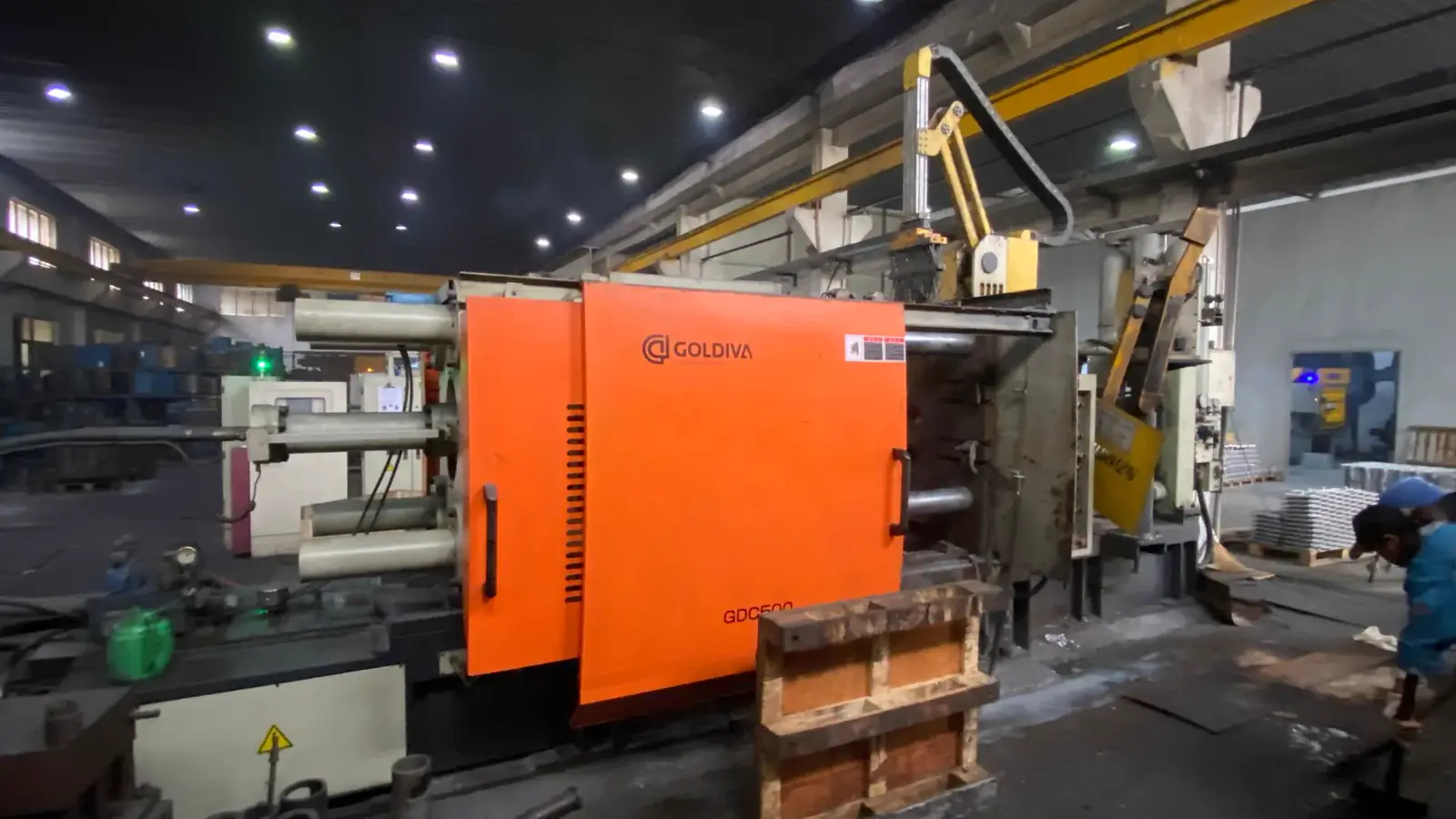
Lead Technical Image
Add a hero-level manufacturing, tooling, or component image that reinforces the article topic above the body copy.
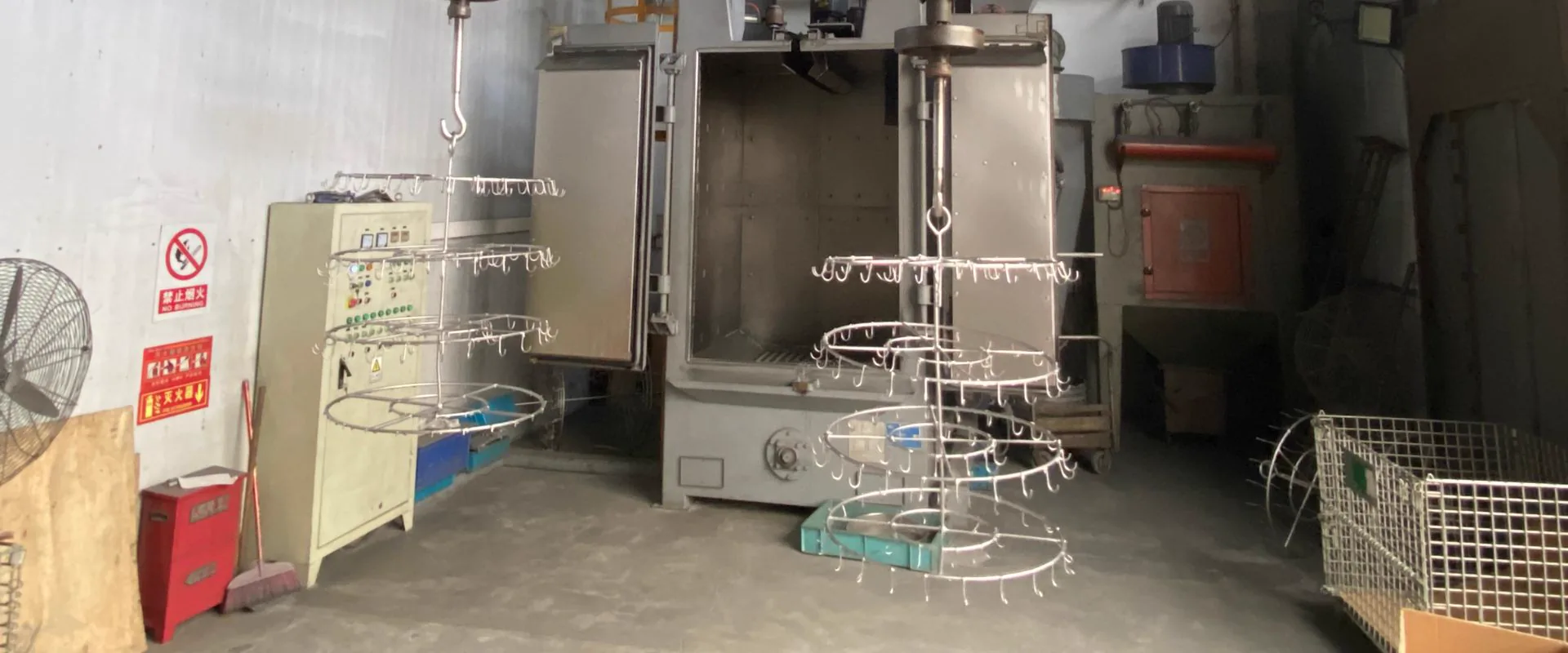
Comparison or Detail Image
Reserve a second image for an alloy comparison, defect example, tooling detail, or application close-up deeper in the article.
The existing recycled aluminum in die casting article explains the closed-loop reality: secondary aluminum remelting uses far less energy than primary smelting, most die casting alloys comfortably contain high recycled content, and the industry's recycling story is genuinely strong. This article assumes you already believe the story. Its subject is the part procurement teams actually own: how to verify a supplier's recycled-content and low-carbon claims before they enter your RFQ, your purchase order, and your customer-facing sustainability reporting.
The verification mindset matters because "recycled aluminum" is not one material, one carbon number, or one document. It is a set of claims — about alloy, about chemistry control, about lot traceability, about accounting boundaries — each of which can be true, false, or meaningless depending on how it is defined. A buyer who asks for the right evidence gets a verifiable program. A buyer who asks for "recycled aluminum, please" gets a marketing sentence.
Quick Answer: What to Verify Before Sourcing
Before awarding a recycled aluminum die casting program, verify five things in writing: the exact alloy designation and the chemistry standard it must meet; the supplier's heat and lot traceability from incoming metal through shipment; how impurity elements are controlled and evidenced in chemistry reports per heat; which documents accompany each lot (chemistry report, material certificate, recycled-content statement if offered); and the carbon-accounting boundary behind any CO2 claim, with the methodology named. If any of these lives only in a sales presentation, treat the claim as unverified.
"Recycled" Is Not One Material
Recycled content says where the metal came from; it says nothing about what the metal is. The material your part is made from is defined by its alloy designation — the grade and standard your drawing names — and its measured chemistry. A die casting alloy produced with a high share of secondary metal can meet the same designation and chemistry window as one produced from primary feedstock, provided the melt shop controls the charge and the elements. The designation and chemistry are non-negotiable; the recycled share is a sourcing preference layered on top of them.
This ordering has a practical consequence for the RFQ: state the alloy requirement first, exactly as you would for any die casting program, and state the recycled-content expectation second, as a documented target with a verification method. Reversing that order invites a supplier to optimize the story instead of the material. For the alloy and process side of the decision, the aluminum die casting page and custom die casting scope pages frame what the part must still deliver mechanically and commercially.
Traceability From Melt to Shipment
Traceability is the mechanism that turns a claim into evidence. Ask the supplier to walk, and then document, the chain: how incoming metal — primary ingot, shop returns, runners and biscuits, purchased secondary feed — is identified and segregated; how heats are numbered and what each heat contains; how cast parts and their records link back to heat numbers; and how labels, packing lists, and certificates connect a shipped lot to its heats. Spectrometer analysis per heat is the industry's normal chemistry evidence; the question for the buyer is not whether the instrument exists but whether the heat-to-shipment link is demonstrable on demand.
Three audit behaviors separate real systems from painted ones: the supplier can produce the chemistry report for a heat number printed on a carton in your warehouse; the traceability survives a material change or a second-source feedstock event, because change control covers the melt as well as the die; and returns and runner material are controlled as inputs with known history, not anonymous scrap. For what a records-driven quality system looks like at production scale, see the quality control page.
Impurity Control and Performance Verification
The engineering risk in recycled-rich melts is not the recycling; it is the accumulation of elements you did not invite. Iron, copper, zinc, and other tramp elements drift with repeated remelting cycles, and each alloy designation carries defined limits set by its standard. The control strategy is exactly the chemistry evidence above: per-heat spectrometer reports against the designation's limits, drift alarms, dilution or charge-adjustment rules when elements approach boundaries, and — where your program needs it — mechanical verification (tensile tests, for example) tied to lots or to a defined frequency. None of this is exotic; it is the same evidence discipline a die caster needs for any documented chemistry program. What changes with recycled content is the buyer's reason to ask for the evidence explicitly: the claim being verified is stronger, so the proof must be stronger too.
Carbon Claims and Accounting Boundaries
A carbon figure without a boundary is not information; it is decoration. Before any number enters your reporting, establish with the supplier:
- What is counted. Is the figure per kilogram of cast part, of alloy, or of shipped goods? Does it include only the supplier's casting operations, or also remelting, or also upstream metal production?
- What is included. Facility energy, melt losses, transport, packaging, and outsourced processes are each optional inclusions. Two "per-kg" figures with different boundaries are not comparable, and averaging them is meaningless.
- What methodology is used. Ask for the named standard or calculation method behind the figure, its data vintage, and whether it is third-party verified or supplier-calculated. A supplier-calculated figure is a starting point, not a reporting-grade value.
- How it updates. Energy mix changes, capacity changes, and feedstock changes move real footprints. Agree on how and when the figure is refreshed.
Until those four answers exist in writing, budget carbon as a variable and quote the claim as "methodology to be agreed in the quality agreement" — language your sustainability team can live with later.
The Documents to Request
The block below is written to be lifted into an RFQ or quality agreement attachment. Every variable is yours to define:
Recycled-content and traceability requirement — draft wording:

"Castings shall be produced in [alloy designation per standard],
with chemistry per heat verified by optical emission spectrometry
and reported against [standard / specification] limits; chemistry
reports shall accompany each [heat / lot / shipment] and be
traceable to part markings or lot labels.
Recycled content: [definition used, e.g., pre-consumer / post-consumer
per named standard]; supplier to state achieved content per [period]
with supporting mass-balance records.
Carbon data: supplier to state [per-kg figure or 'not currently
reported'] with accounting boundary defined as [inclusions],
methodology [name], data vintage [period], and verification status
[self-declared / third-party verified].
No recycled-content or carbon claim may be printed on product,
packaging, or marketing material referencing this program without
[customer] written approval of the wording."
Two clauses in that block deserve emphasis. The definition clause matters because "recycled" means different things to different standards bodies; cite the one your company reports against. The marketing-approval clause matters because your supplier's claim becomes your customer's claim the moment it appears on a drawing, a label, or a website — and your program owns the wording.
Verifying the Claim in an Audit
Documents arrive before parts; audits test whether the system produces them honestly. On the floor, ask to see the charge make-up for a running heat, the segregation of returns by alloy family, the spectrometer calibration and the actual per-heat reports, and a live trace-back drill from a packed carton to a heat report — timed, unannounced if your audit protocol allows. Off the floor, review how feedstock changes are approved, what happens to off-spec chemistry (containment, dilution, disposition), and how the carbon figure was built. The China die casting supplier audit guide structures these questions for a casting facility visit; the recycled-content questions slot directly into its melt-shop and records sections.
Writing Recycled Content Into the RFQ
The RFQ is where verification becomes contractual. State the alloy and chemistry requirement as you always would; state the recycled-content definition, target, and evidence requirement as a documentation line; state the carbon-data expectation with its boundary and methodology fields, explicitly allowing "not currently reported" as an answer so you learn the truth instead of a number; and state which claims, if any, may be used in program communications. Then price it: documentation, traceability, and any added testing are scope, and scope belongs in the quote from the first round. A supplier who prices the evidence chain has understood the requirement; one who waves it away has told you what your audit will find.
FAQ
Is recycled aluminum die casting lower in carbon than primary-based casting?
Remelting secondary aluminum uses substantially less energy than primary smelting, so recycled-rich routes usually carry a smaller footprint — but the comparison is only meaningful at equal accounting boundaries, equal alloy, and stated energy mix. Ask for the boundary and methodology before comparing figures.
Does recycled content change mechanical properties?
The alloy designation and its chemistry limits define the material; metal meeting the same designation and chemistry windows performs the same regardless of feedstock origin. The risk is uncontrolled element drift, which is managed by per-heat chemistry evidence — the verification this article describes.
What is the difference between a material certificate, a chemistry report, and a compliance statement?
A chemistry report shows measured element values for a heat. A material certificate states that the material conforms to a named specification. A compliance statement covers regulatory availability (for example, substance restrictions). They answer different questions; require each by name and do not let one stand in for another.
Should I set a minimum recycled-content percentage in the PO?
Set it only with a defined measurement definition, an evidence method, and a change-control trigger for feedstock. A percentage without a definition invites gaming; a percentage with them is a genuine sourcing requirement.
What if the supplier cannot provide carbon data yet?
"Not currently reported" is an acceptable starting answer — it is honest, it establishes the boundary conversation, and it lets your team plan reporting accordingly. What is not acceptable is an unverifiable number presented as reporting-grade data.
Send Your Recycled-Aluminum RFQ to KastMfg
KastMfg is a China-based (Nanjing) die casting manufacturer offering aluminum, zinc, and magnesium high-pressure die casting with in-house tooling, CNC machining, vacuum-assisted die casting capability, and DFM review with quotes — ready to respond to defined documentation and traceability requirements in your RFQ and quality agreement. To open the verification conversation on solid ground, submit:
- CAD model (STEP/STP) and PDF drawing with the current revision
- Alloy requirement: target alloy designation, or service conditions if the alloy is open
- Annual volume and expected program life
- Key dimensions and critical tolerances
- Surface finish requirements
- Test and documentation specification: chemistry evidence, material certificate, traceability scope, and carbon-data expectations with your accounting boundary
- Destination country and preferred delivery term
Send your package through the request a quote page or email it to casting@kastdiecast.com.
KastMfg Manufacturing Co., Ltd. Email: casting@kastdiecast.com | Phone: +86 138 1403 4409 No.6, Rungu Road, Nanjing, China
Related
About The Author
Mike Yao on recycled aluminum die casting
Technical Director, Die Casting Engineering
Technical Director at KastMfg with 20+ years in high-pressure die casting, leading engineering and program management across aluminum, zinc, and magnesium programs for automotive, EV, electronics, and medical OEMs worldwide.
View author profileRelated Reading
Keep exploring the blog
Die Casting vs Permanent Mold Casting: Which to Choose?
Die Casting vs Permanent Mold Casting: How to Choose Die casting and permanent mold casting are both metal mold processes - both use reusable steel or iron dies rather than expe...
Mike Yao
8 min read
Specific Heat of Aluminum: Values and Alloy Chart
Specific Heat of Aluminum: Values and Alloy Chart The specific heat of aluminum is approximately 0.90 J/g·K - 900 J/kg·K in the units many datasheets prefer. From there the hone...
Mike Yao
5 min read
Recycled Aluminum in Die Casting: What Buyers Should Ask
Recycled Aluminum in Die Casting: What Buyers Should Ask Recycled aluminum is the default state of die casting, not a premium feature. Every high-pressure die casting shop on ea...
Mike Yao
3 min read
How to Choose a Die Casting Supplier - 8 Criteria
How to Choose a Die Casting Supplier — 8 Criteria That Matter Evaluate die casting suppliers on eight criteria: process capability match, quality certifications, tooling capabil...
Mike Yao
5 min read