Recycled Aluminum in Die Casting: What Buyers Should Ask
Recycled aluminum in die casting: the 5% energy claim checked, closed-loop runner remelting, iron and tramp element control with OES, and whether recycled content changes casting properties.

Technical Director, Die Casting Engineering
Blog Visual Plan
Article visuals for recycled aluminum
These visuals use your current KastMfg image library now, and they will automatically switch to article-specific images when you add them later.
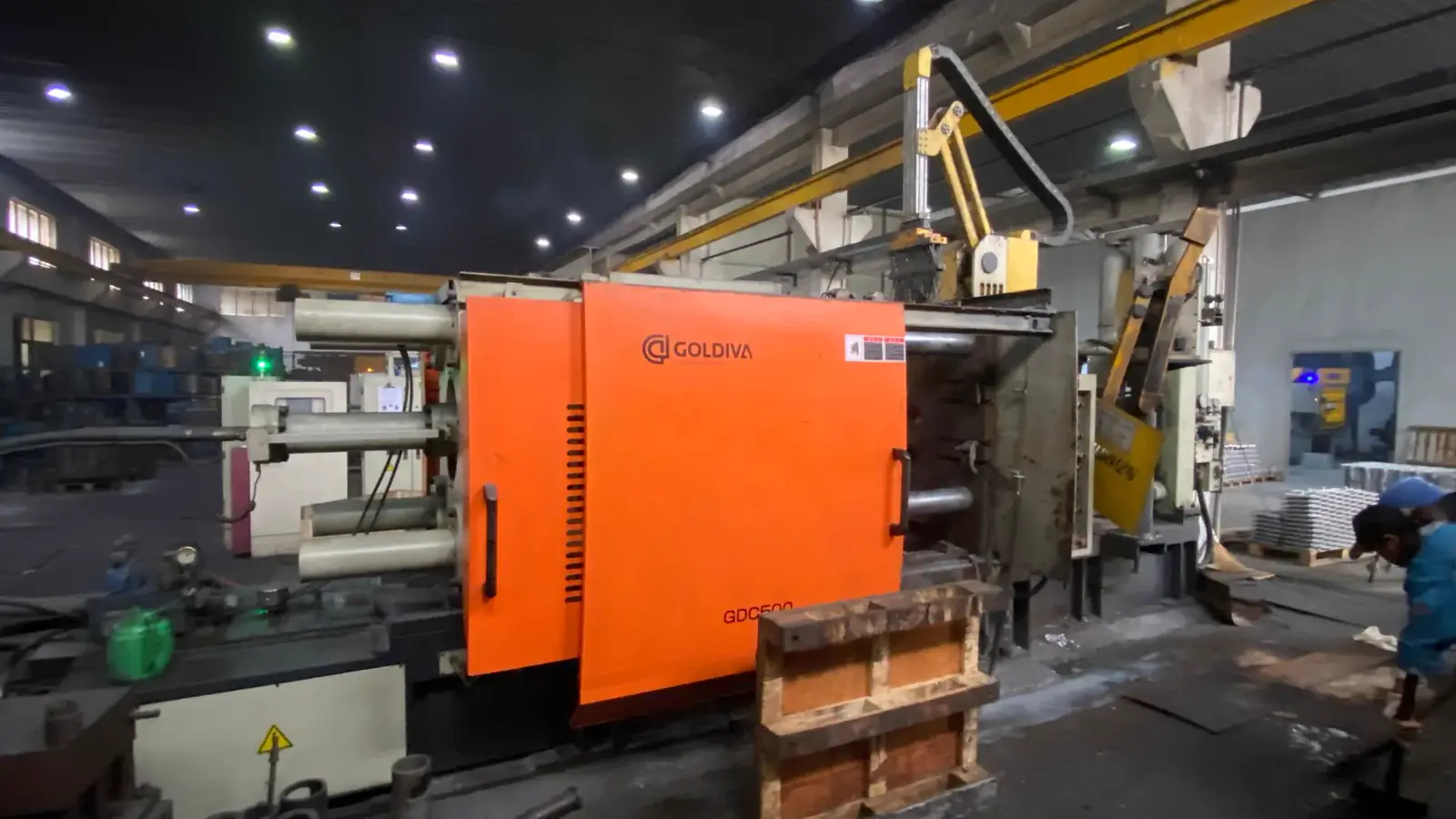
Lead Technical Image
Add a hero-level manufacturing, tooling, or component image that reinforces the article topic above the body copy.
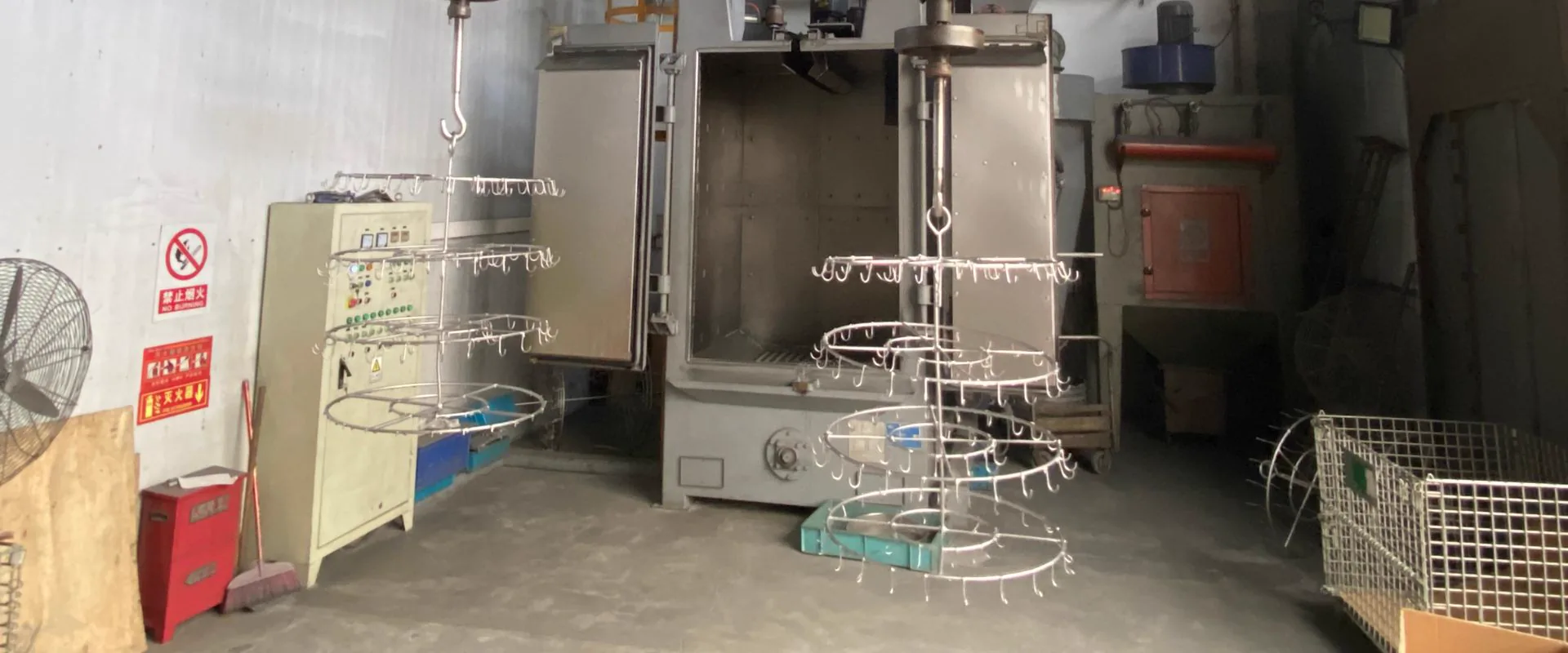
Comparison or Detail Image
Reserve a second image for an alloy comparison, defect example, tooling detail, or application close-up deeper in the article.
Recycled aluminum is the default state of die casting, not a premium feature. Every high-pressure die casting shop on earth runs largely on metal that has been melted before - runners, gates, overflows, trimmed flash and rejected parts go straight back to the furnace or back to the alloy supplier. The honest question a buyer should ask is not "do you use recycled aluminum?" but "how do you control chemistry and cleanliness so the recycled fraction does not hurt my part?"
This page works through the parts of that question: the energy math behind secondary aluminum (including where the famous "5%" claim stops being true), how the closed loop actually runs in a die casting plant, what goes wrong when scrap control fails, how foundries hold the line with spectrometry, and an honest answer on whether recycled content changes casting properties.
The Energy Math Behind Secondary Aluminum
Primary aluminum starts with bauxite: the Bayer process refines alumina, and the Hall-Heroult cells electrolyze it into metal. The electrolysis step alone consumes roughly 14-15 kWh per kg of aluminum (14-15 MWh per tonne). Remelting clean scrap into secondary aluminum is commonly cited at about 0.7-0.8 kWh/kg - roughly 5% of the primary figure. Hence the claim you see everywhere: recycling aluminum saves about 95% of the energy.
The number is real, but it is an order-of-magnitude comparison, not a guarantee for any specific furnace:
- The 0.7-0.8 kWh/kg figure assumes clean, well-sorted scrap. Contaminated post-consumer scrap needs decoating, sorting and more aggressive melt treatment, and the energy climbs.
- CO2 follows the same logic with wider error bars. Secondary aluminum can come in 90-98% below primary on carbon, but the spread depends on system boundaries, the electricity mix, and scrap quality. Hydro-powered primary aluminum and coal-powered primary aluminum are different products in carbon terms.
- EU Joint Research Centre data underpins the commonly quoted ranges, and sustainability reports love the headline. Treat "5%" as the right scale of the advantage, not a certificate number for a specific batch.
For a buyer, the practical takeaway is simpler: the carbon case for recycled aluminum in die casting is strong and well documented. The quality case is the one you still have to verify - and it is controlled at the furnace, not in the sustainability brochure.
The Die Casting Closed Loop
Die casting is unusually well suited to recycling because so much of every shot is not the part. A cold-chamber shot fills the runner system, gates, overflows and the biscuit (the slug left in the shot sleeve) before the cavity itself - the non-product share of the total metal is commonly 30-50% of each shot, quoted here as a planning range rather than a universal constant. Multiply that by millions of cycles per year and the runner system becomes the single largest source of metal in the building.
Three distinct loops are worth separating, because suppliers use "closed loop" loosely:
- True internal closed loop. Clean runners, biscuits, trim and in-house rejects are segregated by alloy, remelted in the foundry's own furnaces, and returned to the same alloy stream. This is standard practice and uncontroversial.
- Supplier loop. Sorted in-house scrap is returned to the alloy supplier, credited, and comes back as certified secondary ingot of the same specification. Chemically it re-enters as known material with a certificate.
- Open recycling. Post-consumer scrap - window frames, wheels, shredded end-of-life product - is sorted, decoated and remelted by the wider recycling industry. This is where the energy and sorting challenges live, and where traceability gets harder.
One number buyers rarely hear: actual metal yield is below 100% in every loop. Each remelt loses metal to oxidation and dross, and skimming and filtration take a little more. The loop is very efficient - but it is not lossless, which is why foundries track yield per furnace and per shift.
What Can Go Wrong: Iron and Tramp Elements
The quality risk of recycled aluminum is not the recycling itself - it is what rides in with the scrap. The main problems, in rough order of severity for a die casting program:
- Iron pickup. Iron dissolves from steel tools, shot sleeves, ladles and improperly segregated mixed scrap. Above the allowed limit it forms hard, brittle beta-Al5FeSi plates in the microstructure, and ductility drops - the part passes a tensile test more often than it passes a bend or an impact test.
- Tramp elements. Copper, zinc, manganese and nickel drift upward when scrap streams get mixed. A380 and ADC12 tolerate moderate levels, but the drift erodes the margin over time and quietly shifts corrosion behavior.
- Magnesium burn-off. Magnesium oxidizes preferentially during remelting, so a melt can fall below its Mg specification if the loss is not measured and corrected.
- Coatings, oil and moisture. Painted, oiled or wet scrap brings gas into the melt and raises hydrogen and inclusion content - a porosity and leak-tightness problem, not just a chemistry problem.
The split that matters most here is post-industrial versus post-consumer scrap. Post-industrial material - runners, trim, clean machining chips from a known alloy - is easy to sort and low risk. Post-consumer material - shredded end-of-life product - arrives with coatings, steel fasteners, mixed alloys and unknown history, and needs serious sorting and decoating before it is furnace-safe. This is why the recycled fraction is really a scrap-sorting and melt-chemistry question, not a marketing one.
How Foundries Control It - OES and Melt Practice
The industry tool for holding chemistry is OES - optical emission spectrometry. A foundry running a real melt-control program will:
- Take a sample from each furnace or ladle and analyze it on the OES before pouring. The result confirms silicon, copper, magnesium, iron and the rest against the alloy specification.
- Watch iron creep across successive remelts. Internal scrap loops slowly concentrate iron; the OES trend is what tells the melt crew when to dilute with purer metal or pull a heat out of the loop.
- Calculate and verify additions. If magnesium burned off, the OES number - not a rule-of-thumb - decides how much Mg rod to add and when to re-check.
- Release or reject each heat. A heat that misses specification is held, corrected or downgraded - not poured into customer parts.
- Keep heat-level traceability. The OES record ties every casting batch back to a chemistry result, which is what a serious audit or a customer claim actually asks for.
What OES does not do matters just as much. OES cannot sort scrap for you - the furnace crew still has to keep alloy streams separated at the bin. And OES reads chemistry, not cleanliness: it does not detect oxide inclusions or dissolved hydrogen. Those are handled by melt practice - skimming, degassing, fluxing and filtering - and by density or leak testing on the parts. Chemistry control and cleanliness control are two different systems, and a supplier needs both. For context on the alloys themselves, see ADC12 aluminum and A380 aluminum.
Does Recycled Content Change Casting Properties?
The honest answer: it depends on control, and the first properties to suffer are not the ones on the front of the datasheet.
When chemistry, cleanliness and hydrogen content are held within specification, castings made with a high recycled fraction perform like castings made from primary metal. Tensile strength and hardness are dominated by the alloy and the process - wall thickness, gate design, die temperature, cooling - and move very little with feedstock origin.
Where differences show up first is exactly where recycled content control fails:
- Ductility and elongation are the most sensitive, because they are governed by the brittle phases (beta-Al5FeSi from excess iron) and by porosity.
- Fatigue life follows ductility and porosity - a hydrogen-rich or inclusion-laden melt shortens fatigue life even when tensile numbers look fine.
- Defect sensitivity - leak tightness, blistering during finishing, machining problems - tracks oxide and hydrogen content, which is a melt-practice issue more than a scrap-origin issue.
So do not accept either extreme claim: "recycled aluminum is identical" and "recycled aluminum is inferior" are both wrong. A controlled recycled fraction, verified by OES and melt practice, is equivalent for the properties buyers usually specify. An uncontrolled one degrades ductility and fatigue first. The material pages - aluminum for die casting, A380 and ADC12 - list the specifications those controls are held against.
It is also worth noting that die casting alloys are among the most recycled-content-tolerant aluminum products: they are high-silicon casting alloys (A380-family alloys permit relatively high copper and iron by specification) made by a casting process rather than by rolling or extrusion, which are far less forgiving of iron. Structural and high-ductility die casting alloys are the exception - they demand tighter scrap segregation and lower iron ceilings.
Standards and Specifications
The standards picture is simpler than the marketing suggests. ASTM and EN specifications - EN 1706 for aluminum casting alloys is the European example - govern the final chemical composition and mechanical properties of the casting alloy. They say nothing about whether the aluminum atoms came from bauxite or from a shredded window frame. A certified A380 ingot is A380 either way.
What standards do not cover, customer specifications sometimes do:
- Recycled-content minimums, and whether the claim counts post-industrial scrap, post-consumer scrap, or both - the two are not interchangeable in sustainability reporting.
- Traceability requirements, tying a production lot to melt chemistry records - which is where the OES practice above becomes a commercial requirement, not just good housekeeping.
If your program carries a sustainability or recycled-content requirement, put it in the RFQ with the percentage basis defined. A foundry with real melt control can answer it precisely; a foundry without it will produce a brochure.
What to Ask Your Die Casting Supplier
- How is scrap sorted? Are alloy streams segregated at the bin, and are post-industrial and post-consumer streams kept separate?
- Is there OES analysis before every heat is released? Ask to see the traceability flow from casting batch back to heat chemistry.
- How is the iron ceiling managed? What is the maximum iron your specification allows, and what does the foundry do when a heat approaches it?
- What is the basis of the recycled-content claim? Post-industrial, post-consumer, or total - and is it verified per lot or stated as an annual average?
- How are hydrogen and inclusions controlled? Degassing, filtration and leak testing matter as much as the spectrometer result.
Frequently Asked Questions
Is recycled aluminum weaker?
Not when it is controlled. With chemistry within specification and hydrogen and inclusions managed, recycled aluminum castings match primary metal on tensile strength and hardness. When control fails, ductility and fatigue life degrade first - so ask for the melt control evidence, not the marketing claim.
What percentage of a die casting is recycled?
In practice, very high. Non-product metal (runners, gates, overflows, biscuits, trim) is 30-50% of the metal in every shot and is standardly remelted, so most die castings carry a large recycled fraction before any post-consumer material is added. The exact percentage depends on the loop: internal remelt, supplier return, or open-market secondary ingot.
Is secondary aluminum the same as recycled aluminum?
Essentially yes - secondary aluminum means metal produced by remelting scrap rather than from ore. (The British spelling "recycled aluminium" shows up in European standards and reports; it is the same material.) The distinction that matters commercially is post-industrial versus post-consumer scrap, and which one a recycled-content claim is based on.
Does recycled content affect surface finish?
Indirectly, yes. Surface finish in die casting is set by die condition and process parameters, but oxide inclusions and hydrogen brought in with dirty scrap cause blistering, leakers and finishing defects. Clean, well-sorted recycled feedstock with proper degassing and filtration finishes exactly like primary metal.
Can I specify a minimum recycled content on my parts?
Yes, and you should define the basis when you do - post-industrial only, post-consumer included, or total recycled fraction. The alloy specification (ASTM/EN) will not enforce it for you; it has to live in your purchase specification, backed by the supplier's melt traceability.
Related Reading
- density of aluminum - the sister data page for the same alloys
- melting point of aluminum - process temperatures behind the remelt loop
- aluminum for die casting - alloy selection for die cast parts
- ADC12 aluminum - the Asia workhorse alloy
- A380 aluminum - the North American workhorse alloy
Have a recycled-content or sustainability requirement on your program? Send the spec to casting@kastdiecast.com - we will show you our melt control and OES traceability | +86 138 1403 4409 | No.6, Rungu Road, Nanjing, China
About The Author
Mike Yao on recycled aluminum
Technical Director, Die Casting Engineering
Technical Director at KastMfg with 20+ years in high-pressure die casting, leading engineering and program management across aluminum, zinc, and magnesium programs for automotive, EV, electronics, and medical OEMs worldwide.
View author profileRelated Reading
Keep exploring the blog
Recycled Aluminum Die Casting: What Buyers Should Verify
Recycled Aluminum Die Casting: What Buyers Should Verify The existing recycled aluminum in die casting article explains the closed-loop reality: secondary aluminum remelting use...
Mike Yao
8 min read
Die Casting vs Permanent Mold Casting: Which to Choose?
Die Casting vs Permanent Mold Casting: How to Choose Die casting and permanent mold casting are both metal mold processes - both use reusable steel or iron dies rather than expe...
Mike Yao
8 min read
Die Casting Die Explained - Anatomy, Steel, Life, and Cost
Die Casting Die - What It Is, How It's Built, and What It Costs A die casting die is a precision steel mold - typically two machined halves of H13 hot-work tool steel - that sha...
Mike Yao
5 min read
Aluminum vs Zinc Die Casting - How to Choose
Aluminum vs Zinc Die Casting — Choosing the Right Material for Your Part Aluminum and zinc are the two dominant die casting metals globally, together accounting for over 90% of...
Mike Yao
5 min read