Types of Casting - 11 Processes Compared (And When Die Casting Wins)
Types of casting processes compared: sand, die casting (HPDC/LPDC), gravity, investment, lost foam, shell, centrifugal, squeeze, continuous - accuracy, volume, and typical parts.

Technical Director, Die Casting Engineering
Blog Visual Plan
Article visuals for types of casting
These visuals use your current KastMfg image library now, and they will automatically switch to article-specific images when you add them later.
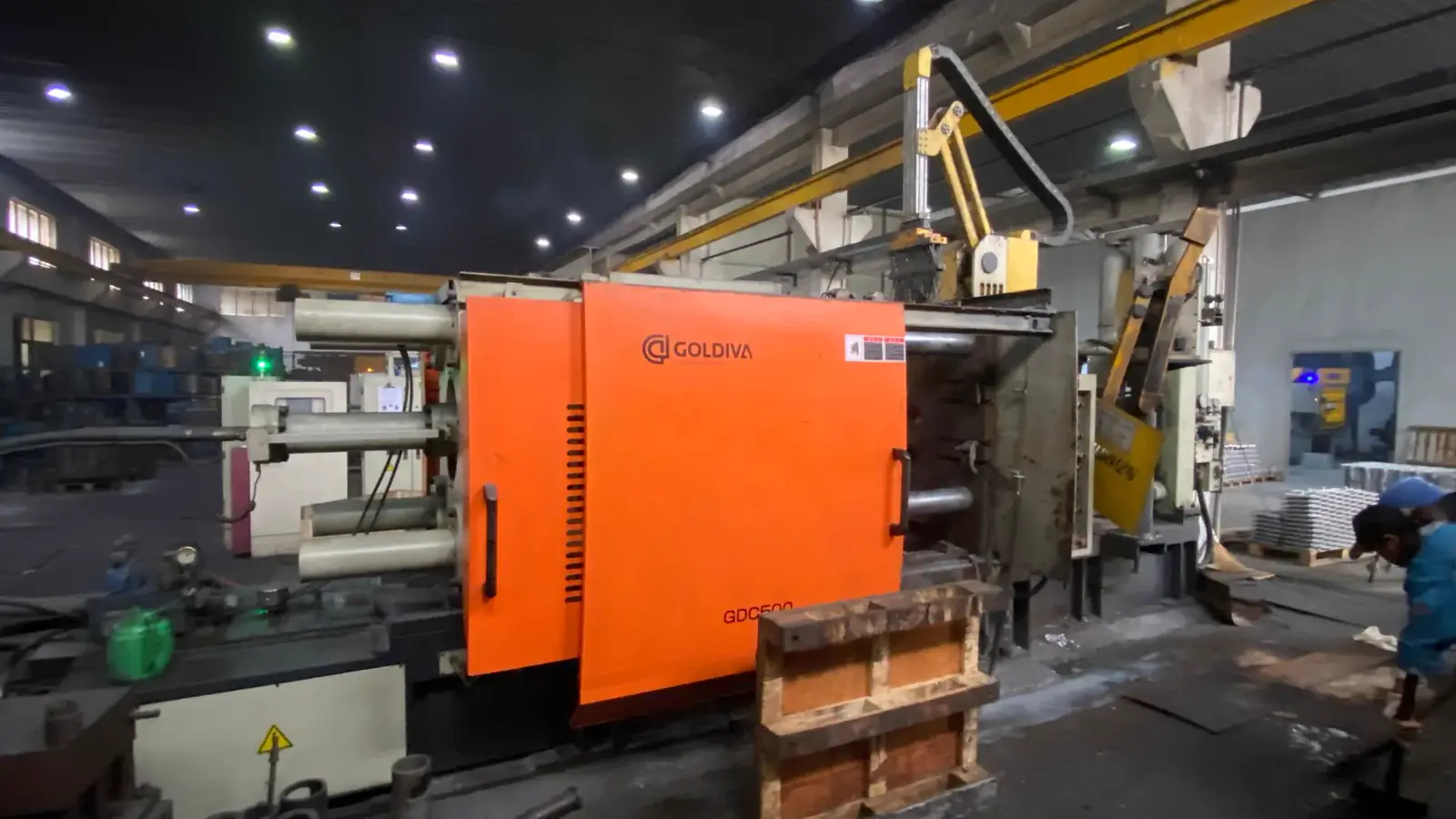
Lead Technical Image
Add a hero-level manufacturing, tooling, or component image that reinforces the article topic above the body copy.
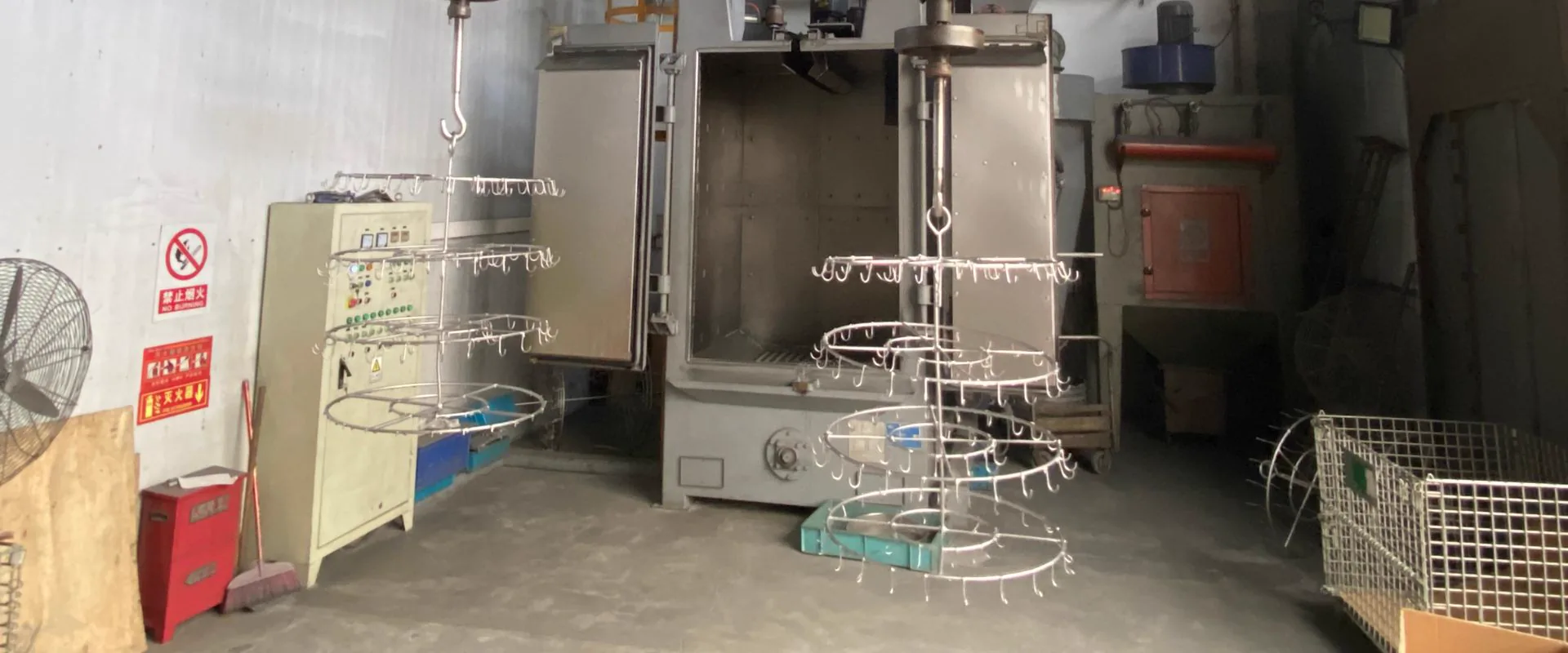
Comparison or Detail Image
Reserve a second image for an alloy comparison, defect example, tooling detail, or application close-up deeper in the article.
"Types of casting" is not one answer - it is a family of processes, and picking the wrong one is the most expensive mistake in a casting program. The different types of casting all share the same idea (molten metal goes into a mold and solidifies), but they differ enormously in tooling cost, achievable accuracy, volume economics, and which metals they can handle.
This guide compares the 11 casting process types you are most likely to evaluate, then gives you a decision order for choosing between them.
Quick Comparison Table
| Process | Metal | Volume | Accuracy/Finish | Typical Parts | Tooling Cost |
|---|---|---|---|---|---|
| Sand casting | All metals | Low-medium | Rough | Engine blocks, pump bodies, machine bases | Low, fast |
| High-pressure die casting | Al, Zn, Mg | High | Excellent | Housings, brackets, thin-wall covers | High, slower |
| Low-pressure die casting | Al, Mg | Medium-high | Good-excellent | Wheels, structural aluminum parts | High, slower |
| Gravity / permanent mold | Al, Zn, brass | Medium | Good | Cylinder heads, cookware, covers | Medium |
| Investment casting | All metals | Low-medium | Excellent | Turbine blades, valve bodies, fittings | Medium, slower |
| Lost foam casting | Al, iron, steel | Medium | Medium | Engine blocks, manifolds, impellers | Medium |
| Shell molding | Iron, Al, steel | Medium | Good-medium | Gears, valve bodies, cylinder heads | Medium |
| Centrifugal casting | Steel, iron, Cu, Al | Medium-high | Good-medium | Pipes, rings, sleeves, liners | Medium |
| Squeeze casting | Al, Mg | Medium-high | Good-excellent | Structural and safety-critical parts | High |
| Continuous casting | All metals | Very high (stock) | Rough-medium | Bar, slab, billet - stock, not parts | Very high plant |
| Vacuum die casting | Al, Mg | High | Excellent | Structural, heat-treatable parts | High, slower |
1. Sand Casting
Molten metal is poured into an expendable mold of bonded sand, which is destroyed after each pour. Accuracy and finish are rough by casting standards and walls run thick, but almost any metal (including iron and steel) can be poured, part size is essentially unlimited, and loose cores enable complex internal passages. Tooling (a wood or resin pattern) is cheap and fast, making sand casting the default for prototypes and low volumes.
Typical parts: engine blocks, pump bodies, machine bases, large valve bodies.
- Choose it when: volume is low (a few to a few thousand parts), the part is large, or the alloy is ferrous.
- Skip it when: you need near-net-shape accuracy or high annual volume. See die casting vs sand casting.
2. High-Pressure Die Casting (HPDC)
Molten metal is injected into a hardened steel die at high speed and pressure; the die is permanent and cycles in seconds. HPDC delivers the best accuracy and finish of any high-volume casting process, with thin walls and complex shapes. For reference, NADCA publishes a linear tolerance guideline for aluminum HPDC of +/-0.25 mm on the first 25.4 mm, adding +/-0.025 mm for each additional 25.4 mm - a reference value, not a guarantee for every geometry. Tooling is expensive and slower to build, and the process is limited to aluminum, zinc, and magnesium.
Typical parts: motor housings, gearbox covers, brackets, consumer housings.
- Choose it when: volume is high (tens of thousands and up) and the part is a thin-wall, complex aluminum, zinc, or magnesium component.
- Skip it when: volume is low, the part is very large, or you need ferrous alloys. For the pressure-casting family, see types of die casting.
3. Low-Pressure Die Casting (LPDC)
Metal is pushed from a pressurized furnace upward into the die at low pressure - a controlled, bottom-up fill that produces dense, low-porosity castings. Accuracy and finish are good to excellent; walls are thicker than HPDC allows, but integrity and heat-treatability are better.
Typical parts: wheels, structural automotive and EV aluminum parts, cylinder heads.
- Choose it when: you need dense, weldable, heat-treatable aluminum parts at medium to high volume.
- Skip it when: you need the thinnest walls or the lowest cycle cost. Details in low-pressure die casting and HPDC vs LPDC.
4. Gravity / Permanent Mold Casting
Metal is poured from above into a reusable metal mold and solidifies under gravity alone. The metal mold gives better accuracy and finish than sand, at lower cost and complexity than pressure casting. Tooling is moderate in cost and lead time, and volumes run medium.
Typical parts: cylinder heads, covers, cookware, pipe fittings, wheels.
- Choose it when: volume is moderate and you want denser, more accurate parts than sand casting without HPDC tooling cost.
- Skip it when: thin walls or very high volume demand pressure filling. See gravity die casting and die casting vs permanent mold.
5. Investment Casting
A wax pattern is coated in ceramic slurry; the wax is melted out and metal is poured into the resulting shell, which is broken away after solidification. Accuracy and finish are excellent, almost any alloy (stainless, tool steel, superalloys) can be cast, and undercuts are essentially free - the pattern just dissolves. Tooling is moderate in cost but lead time is longer; volumes are low to medium.
Typical parts: turbine blades, stainless valve bodies, medical and aerospace components.
- Choose it when: geometry is too complex for any die-based process, or the alloy is stainless, high-temperature, or otherwise non-die-castable.
- Skip it when: volume is high and the geometry fits a die. See investment casting and die casting vs investment casting.
6. Lost Foam Casting
A foam pattern (molded from tooling or CNC-shaped) is buried in loose sand and replaced in place by molten metal, which vaporizes the foam. Accuracy and finish sit between sand and die casting; there is no parting line or draft constraint, and complex one-piece shapes are easy. Tooling cost is moderate; volumes run medium.
Typical parts: engine blocks, cylinder heads, manifolds, pump impellers.
- Choose it when: you want sand-casting flexibility with better finish and fewer geometric constraints at medium volume.
- Skip it when: you need the tightest accuracy, or the pattern cost cannot be amortized.
7. Shell Molding
A heated metal pattern is coated with resin-bonded sand, which cures into a thin "shell" mold; two shells are clamped together and poured. Accuracy and finish are better than conventional sand (good to medium), with moderate tooling cost and lead time.
Typical parts: gears, valve bodies, cylinder heads, small ferrous castings.
- Choose it when: you need better surface and accuracy than sand casting for medium-volume iron or steel parts.
- Skip it when: the part is very large, or volume justifies die-based economics.
8. Centrifugal Casting
The mold is spun about its axis and centrifugal force drives molten metal outward, producing dense cylindrical castings free of centerline defects. Accuracy and finish are good to medium; tooling is moderate; volumes run medium to high.
Typical parts: pipes, tubes, rings, sleeves, cylinder liners.
- Choose it when: the part is rotationally symmetric and needs a dense, defect-free bore or wall.
- Skip it when: the geometry is not round. See centrifugal die casting.
9. Squeeze Casting
Metal is poured into the die and solidified under high mechanical pressure, combining casting with forging-like densification. The result is high-integrity, low-porosity, heat-treatable castings with good to excellent accuracy. Tooling is expensive and cycle time runs higher than HPDC.
Typical parts: structural and safety-critical parts - suspension components, chassis nodes, EV structural castings.
- Choose it when: the part carries structural load and HPDC porosity margins are not acceptable.
- Skip it when: per-part cost dominates and porosity requirements are moderate. See squeeze casting.
10. Continuous Casting
Not a part-making process at all: molten metal is poured through a water-cooled die (mold) to solidify as an endless strand of bar, slab, or billet, which is then cut to length. Accuracy and finish are rough to medium, and its output is stock - the raw material that machining, forging, or downstream casting processes consume.
- Choose it when: you are buying or making bar, slab, or billet stock - this is how most of it starts life.
- Skip it when: you need a finished near-net-shape part; continuous casting will not produce one.
11. Vacuum Die Casting
HPDC or LPDC performed with air evacuated from the die cavity before fill, drastically reducing trapped gas and porosity. The payoff is heat-treatable, weldable, structural-grade aluminum and magnesium castings at die-casting cycle speeds. Accuracy and finish are excellent; tooling is the most complex and expensive in the die-casting family.
Typical parts: structural automotive and EV components, parts requiring T6 heat treatment.
- Choose it when: you need structural integrity and heat treatment at high volume.
- Skip it when: standard HPDC integrity is adequate and cost pressure is tight. See vacuum die casting.
When Die Casting Wins
Die casting (the family covered in depth on our types of die casting page) is usually the right answer when:
- Volume is high. Above several thousand parts per year, tooling amortization becomes noise and the low cycle cost dominates.
- Walls are thin. Aluminum HPDC runs walls down to roughly 1.2-2 mm; zinc goes thinner still.
- Net shape matters. Near-net castings cut machining time and material waste to a fraction of what sand or gravity castings require.
- Consistency matters. A steel die produces identical dimensions over hundreds of thousands of shots.
It is the wrong answer when volume is low, the part is very large, the alloy is ferrous, or internal geometry demands loose sand cores - in those cases sand, investment, or gravity processes win.
How to Choose
Filter the 11 types of casting process in this order and the field narrows fast:
- Material first - iron or steel eliminates every die-based process; aluminum keeps die, gravity, sand, investment, and squeeze alive.
- Volume second - low volume keeps you out of steel dies; high volume pushes you out of expendable molds.
- Internal geometry third - deep cores and passages favor sand and investment; most die cast parts machine their internal features.
- Accuracy and finish fourth - decide how much as-cast quality you need versus how much machining you can tolerate.
- Budget last - tooling cost only makes sense against total program volume.
Frequently Asked Questions
Which casting process is the cheapest?
For a handful of parts, sand casting - the pattern costs little and per-part cost is acceptable at low volume. At high volume, high-pressure die casting has the lowest total cost per part by a wide margin, because seconds-long cycles and near-net shape erase the labor that sand casting charges you for every mold.
Which casting process gives the best surface finish?
Investment casting and die casting both deliver excellent as-cast finishes. Between the two, die casting wins on dimensional consistency at volume; investment casting wins when the geometry or alloy rules dies out.
Can you die cast steel?
No. Die casting dies and machine systems are designed for aluminum, zinc, and magnesium. Steel melts far above what the tooling materials tolerate, so steel parts go to investment casting, sand casting, or shell molding instead.
What is the difference between die casting and sand casting?
Die casting injects metal under pressure into a permanent steel die - high volume, excellent accuracy, higher tooling cost. Sand casting pours metal into an expendable sand mold made fresh for each part - low volume, rough finish, cheap tooling. The full breakdown is in die casting vs sand casting.
Which casting process is best for aluminum?
At high volume with thin walls: HPDC. For dense, heat-treatable aluminum: LPDC or squeeze casting. For low volume or large parts: sand or gravity casting. For complex shapes in small to medium runs: investment casting.
Related Reading
- types of die casting - the die-casting family in depth: HPDC, LPDC, gravity, vacuum
- die casting vs sand casting - the two volume extremes, head to head
- die casting vs investment casting - die-based speed versus wax-pattern flexibility
- die casting vs permanent mold - when gravity filling beats pressure
- HPDC vs LPDC - pressure versus control inside the die-casting family
Not sure which process fits your part? Send the drawing to casting@kastdiecast.com - if die casting is wrong for it, we will say so | +86 138 1403 4409 | No.6, Rungu Road, Nanjing, China
About The Author
Mike Yao on types of casting
Technical Director, Die Casting Engineering
Technical Director at KastMfg with 20+ years in high-pressure die casting, leading engineering and program management across aluminum, zinc, and magnesium programs for automotive, EV, electronics, and medical OEMs worldwide.
View author profileRelated Reading
Keep exploring the blog
Die Casting vs Permanent Mold Casting: Which to Choose?
Die Casting vs Permanent Mold Casting: How to Choose Die casting and permanent mold casting are both metal mold processes - both use reusable steel or iron dies rather than expe...
Mike Yao
8 min read
Die Casting vs Gravity Casting - Process & Cost
Die Casting vs Gravity Casting — Which Aluminum Casting Process Fits? High-pressure die casting and gravity casting both use metal molds, but they fill those molds in very diffe...
Mike Yao
3 min read
Die Casting vs Investment Casting - Honest Comparison
Die Casting vs Investment Casting - Which Precision Process Fits Your Part? Both processes promise "precision casting" - but they achieve it in opposite ways. Die casting inject...
Mike Yao
4 min read
Die Casting vs Sand Casting vs Investment Casting
Die Casting vs Sand Casting vs Investment Casting — Choosing the Right Process Choosing the wrong casting process can add tens of thousands of dollars to a program through unnec...
Mike Yao
5 min read