Die Casting vs Investment Casting - Honest Comparison
Die casting vs investment casting compared: tolerance, surface finish, alloys, tooling cost, volume economics, and when each process wins for your parts.

Technical Director, Die Casting Engineering
Blog Visual Plan
Article visuals for die casting vs investment casting
These visuals use your current KastMfg image library now, and they will automatically switch to article-specific images when you add them later.
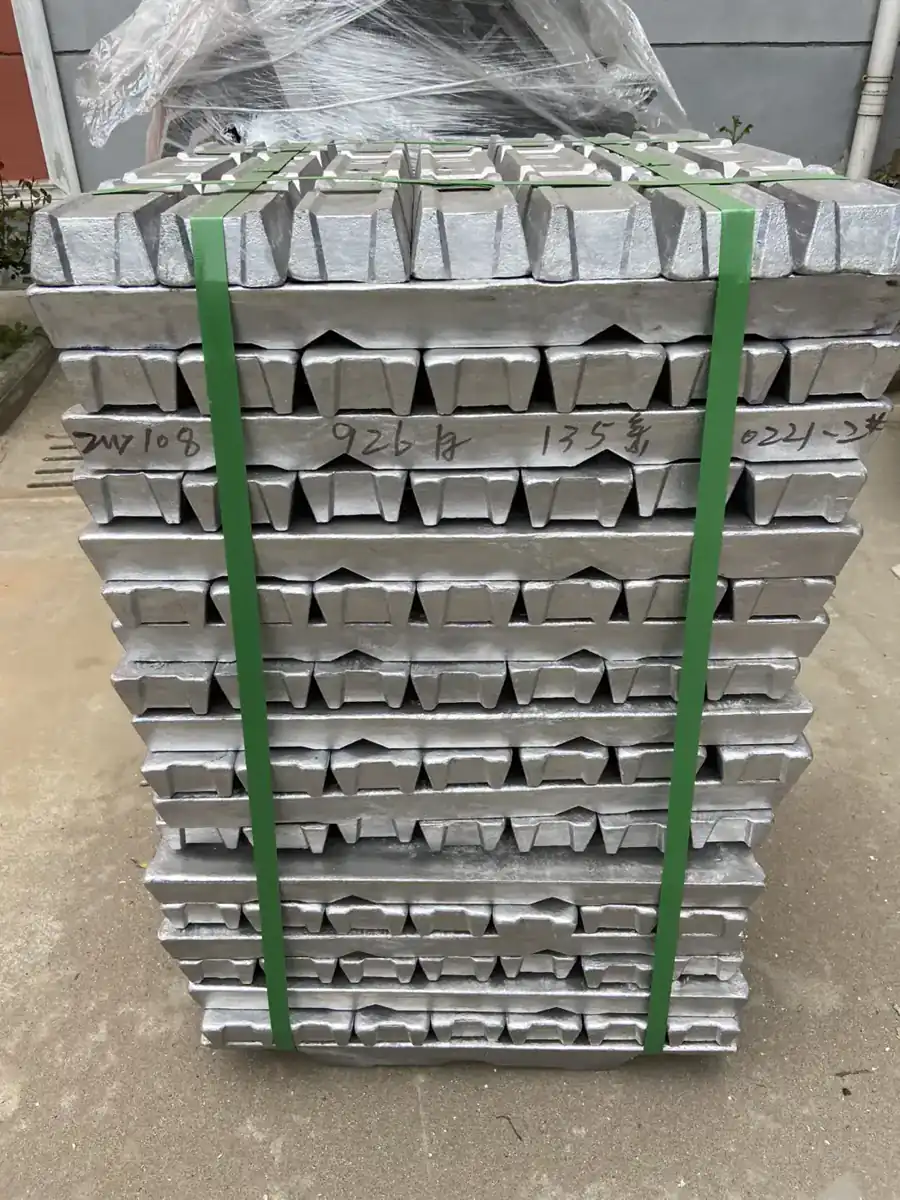
Lead Technical Image
Add a hero-level manufacturing, tooling, or component image that reinforces the article topic above the body copy.
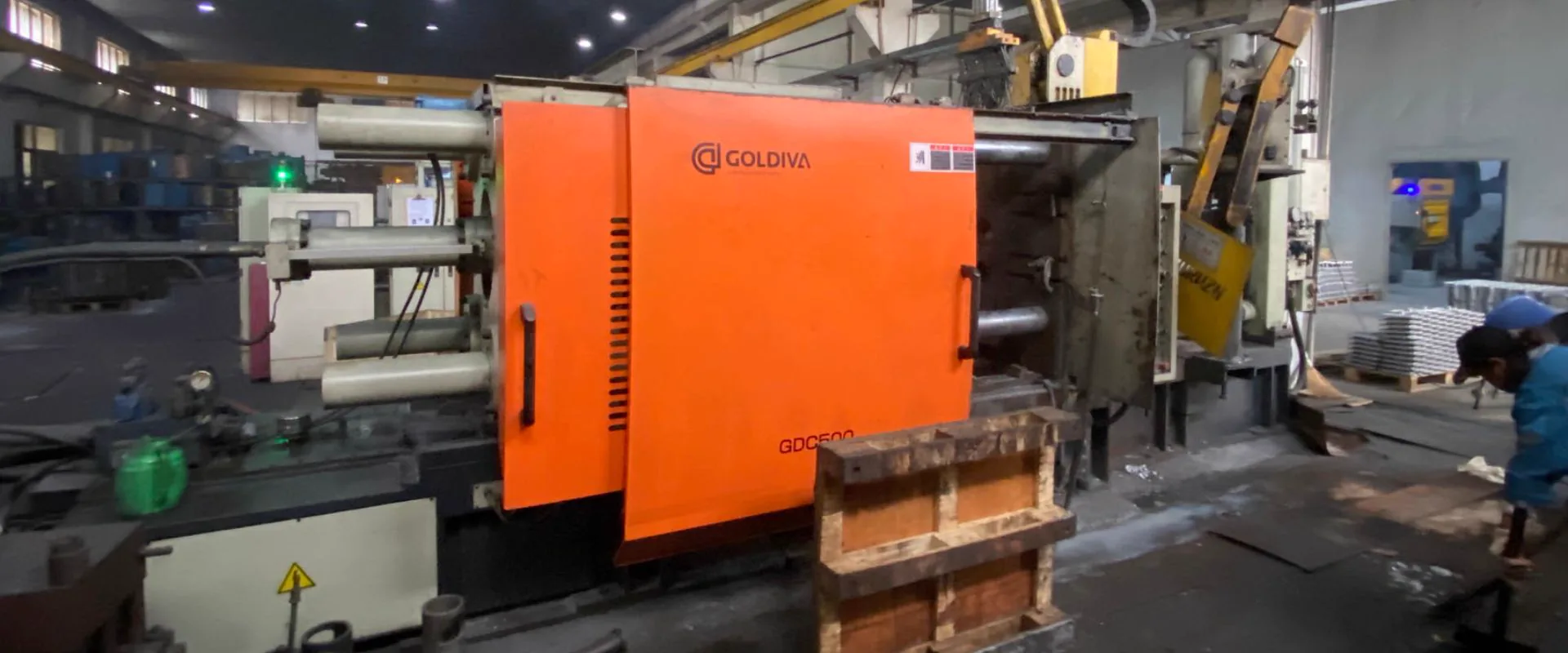
Comparison or Detail Image
Reserve a second image for an alloy comparison, defect example, tooling detail, or application close-up deeper in the article.
Both processes promise "precision casting" - but they achieve it in opposite ways. Die casting injects molten metal into a reusable steel die at high pressure; investment casting builds a disposable ceramic shell around a wax pattern. The right choice comes down to alloy, volume, and geometry. Here is the honest comparison.
Head-to-Head
| Factor | Die casting (HPDC) | Investment casting |
|---|---|---|
| Alloys | Aluminum, zinc, magnesium, copper alloys | Almost anything: steel, stainless, superalloys, aluminum, bronze |
| Typical tolerance | ±0.05 to 0.10 mm | ±0.08 to 0.13 mm class (CT 5-7 typical) |
| As-cast surface | Ra 1.6 to 3.2 µm | Ra 3.2 to 6.3 µm typical |
| Tooling cost | $8,000 to $80,000+ | Wax dies typically a small fraction of that |
| Cycle time | 15 to 120 seconds | Days (shell building + burnout) |
| Economic volume | 10,000+ parts/year | 100 to 50,000 parts |
| Part size | Grams to ~30 kg | Grams to tens of kilograms |
| Thin walls | 0.8 to 2 mm (alloy dependent) | 1.5 to 2.5 mm typical |
| Internal geometry | Limited by die pull | Excellent - ceramic cores allow complex passages |
Where Die Casting Wins
Volume economics. Once annual demand crosses roughly 10,000 parts, die casting's 30-second cycles destroy investment casting's per-part cost - even after paying for the more expensive die. This is the decisive factor for automotive, hardware, and electronics programs.
Surface finish and tolerance. HPDC's as-cast finish (Ra 1.6-3.2 µm) plates and coats directly. Investment cast surfaces usually need more finishing work for cosmetic applications.
Thin walls. Nothing fills a 1.2 mm wall like 40 m/s injection.
Where Investment Casting Wins
Alloy freedom. This is the killer feature: if your part must be stainless steel, tool steel, Inconel, or any ferrous/superalloy, die casting is simply not an option - those alloys destroy steel dies. Investment casting handles them routinely.
Low-to-medium volumes. Wax tooling at a few thousand dollars makes investment casting the rational choice from ~100 to ~10,000 parts, where die tooling cannot amortize.
Low draft and complex internal passages. Ceramic cores create internal galleries, curved passages, and undercuts that a two-piece die cannot pull, and draft requirements are far lower than die casting's 1 to 3 degrees. Valve bodies, turbine components, and manifolds with internal channels favor investment casting.
The Decision Table
| Your requirement | Choose |
|---|---|
| Aluminum/zinc, over 10k/year | Die casting |
| Stainless or steel, any volume | Investment casting |
| Under 5k parts, complex geometry | Investment casting |
| Plated decorative finish | Die casting (zinc) |
| Complex internal passages | Investment casting |
| Lightest weight at volume | Die casting (aluminum/magnesium) |
| High-temperature service (over 200°C) | Investment casting (steel/superalloy) |
A Note on Aluminum
Aluminum can be investment cast - and for aerospace volumes it often is. But if your aluminum part exceeds ~10k/year, moving from investment casting to HPDC typically cuts unit cost 40 to 60%. We have run exactly this conversion for customers; the crossover analysis takes one drawing review.
Also consider the neighbors: die casting vs sand casting, die casting vs forging, and die casting vs metal injection molding cover the other common crossroads.
Frequently Asked Questions
Is investment casting more accurate than die casting?
No - they are comparable, with die casting generally holding tighter as-cast tolerances on small features (±0.05 mm class) thanks to steel dies. Investment casting's wax-ceramic route introduces more shrinkage variables.
Can I switch from investment casting to die casting mid-program?
Yes, and it is a common cost-down move when volumes grow. Expect a DFM round: draft angles, uniform walls, and parting-line placement will change the part slightly. See switching die casting supplier for the transfer process.
Which process is better for prototypes?
Neither at the extremes - CNC machining or 3D printing for singles; investment casting for 50 to 500 functional prototypes; prototype die casting with soft tooling when you need production-representative parts before committing to a production die.
Related Comparisons
- investment casting - KastMfg lost-wax capability
- investment casting services - RFQ to delivery
- lost wax casting - process overview
- stainless steel casting - 304/316 investment cast
- aluminum investment casting - when Al is investment cast vs HPDC
- types of die casting - HPDC, LPDC, gravity compared
- die casting vs gravity casting - permanent mold alternative
- what is die casting - process fundamentals
- custom die casting - KastMfg capability
Process selection help: casting@kastdiecast.com | +86 138 1403 4409 | No.6, Rungu Road, Nanjing, China
About The Author
Mike Yao on die casting vs investment casting
Technical Director, Die Casting Engineering
Technical Director at KastMfg with 20+ years in high-pressure die casting, leading engineering and program management across aluminum, zinc, and magnesium programs for automotive, EV, electronics, and medical OEMs worldwide.
View author profileRelated Reading
Keep exploring the blog
Die Casting vs Permanent Mold Casting: Which to Choose?
Die Casting vs Permanent Mold Casting: How to Choose Die casting and permanent mold casting are both metal mold processes - both use reusable steel or iron dies rather than expe...
Mike Yao
8 min read
As-Cast Surface Finish: What Die Castings Really Look Like
As-Cast Surface Finish: What Die Castings Really Look Like "As-cast" is the surface a die casting carries the moment it leaves the die and the trim press - no blasting, polishin...
Mike Yao
8 min read
Die Casting vs Sand Casting vs Investment Casting
Die Casting vs Sand Casting vs Investment Casting — Choosing the Right Process Choosing the wrong casting process can add tens of thousands of dollars to a program through unnec...
Mike Yao
5 min read
Landed Cost of Die Cast Parts from China: An RFQ Model
Landed Cost of Die Cast Parts from China: An RFQ Model Two quotations for the same die cast part can differ by a wide margin, and the lower number is not always the cheaper prog...
Mike Yao
12 min read