EV Aluminum Castings for Motor, Battery & Electronics
EV aluminum castings supplier for motor housings, inverter and converter housings, battery tray members, and structural parts - HPDC, vacuum die casting, CNC machining, leak testing, PPAP.
Production Capabilities
Process visuals for EV aluminum casting supplier
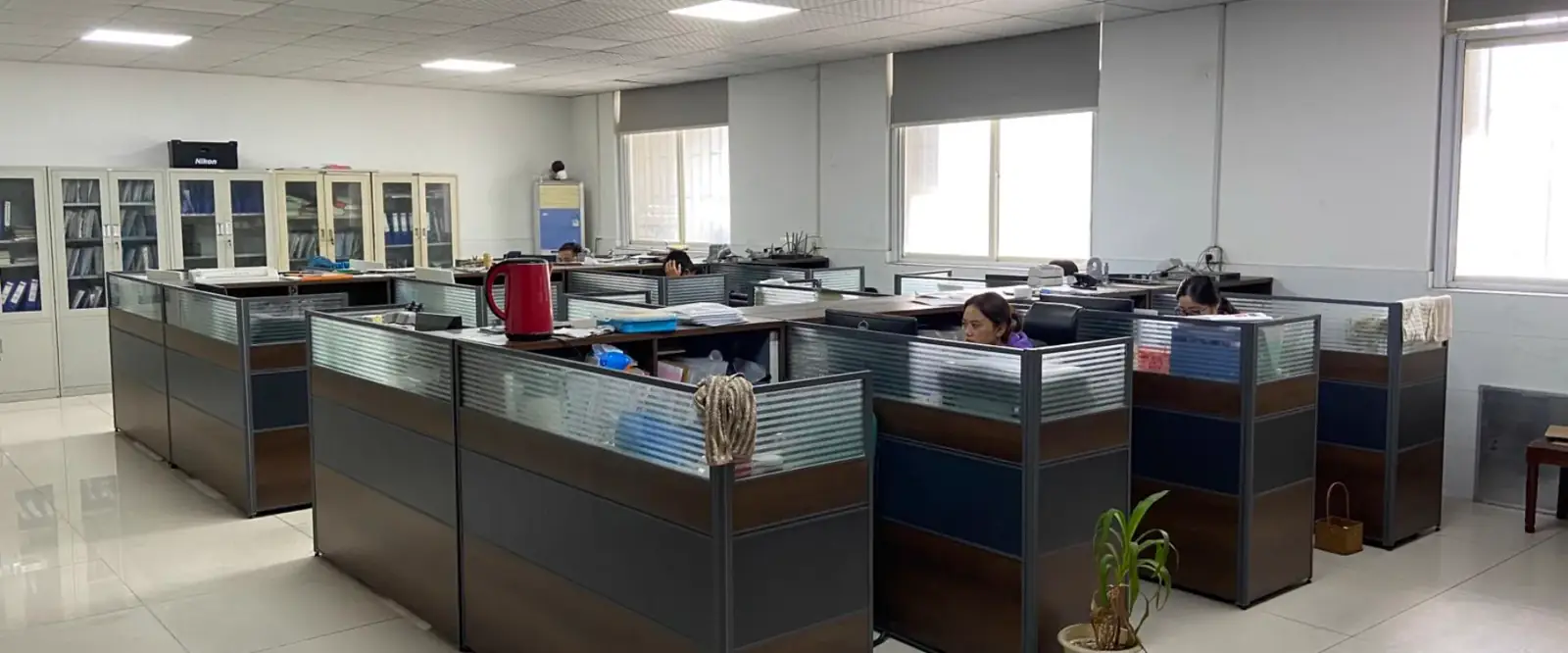
Process Overview
Core die casting processes, component types, and production setups for commercial manufacturing programs.
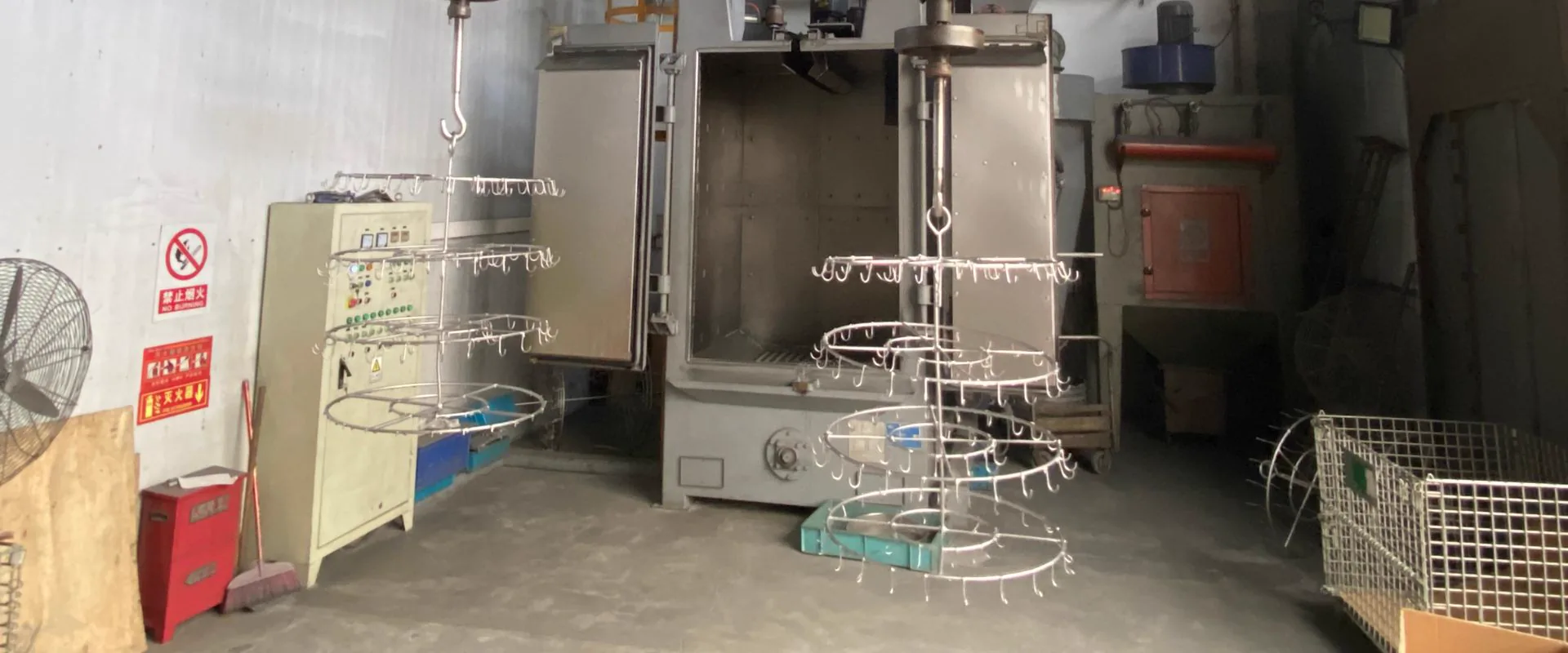
Technical Proof
Close-up and inspection images demonstrating dimensional accuracy, surface quality, and process control in production.
KastMfg is an EV aluminum casting supplier producing housings and structural parts for electric vehicle powertrain, battery, and electronics programs. We take electric vehicle aluminum castings from DFM review through tooling, high-pressure die casting, CNC machining, leak testing, and PPAP-backed production.
Most work at an EV die casting supplier is not giga casting. It is motor housings, inverter and converter housings, OBC and DC-DC housings, and battery tray members - parts sized for 400T to 1,600T machines, with real sealing, thermal, and dimensional requirements. That is where an EV casting manufacturer earns its keep, and it is the range KastMfg covers.
EV Castings We Produce
| Part | Typical Requirements |
|---|---|
| Motor housings | Concentricity of bearing seats, water jacket sealing, heat dissipation, vibration fatigue resistance |
| Inverter and converter housings | Air tightness, flatness of sealing faces, heat sink performance, connector seal interfaces |
| OBC and DC-DC housings | Thin walls, thermal management, leak testing to assembly specification |
| Battery tray structural members | Crash contribution, dimensional stability, cooling channel sealing, fastener compatibility |
| End covers and terminal boxes | Sealing faces, machined interfaces, pressure-tight features |
Send your drawing together with the assembly-level leak and IP requirements, and we will flag casting risks before quoting.
Alloys and Process Selection
For non-structural housings, A380 and ADC12 remain the mainstream aluminum die casting alloys - good castability, proven machining behavior, and stable supply. They are the default choice for inverter housings, OBC housings, DC-DC housings, and motor housings where the specification does not call for heat treatment or welding. A356 is common in gravity and low-pressure casting, but it is not a standard HPDC alloy.
Structural parts are different. Battery tray members and crash-relevant components often require heat treatment, welding, or high elongation. These parts call for structural alloys such as AlSi10MnMg or Silafont-36 type materials, and for those requirements vacuum-assisted die casting is usually necessary or strongly recommended - it limits gas porosity so the casting can be heat treated, welded, and formed without blistering. See vacuum die casting.
Conventional HPDC remains the right process for non-structural housings wherever the specification allows it. It is faster, cheaper per part, and fully adequate for sealing and dimensional requirements that do not depend on heat-treated properties. We recommend the process after reviewing your drawing and specification, not before.
The Giga Casting Trend - and Where We Fit
Large-scale casting is real, but it should be described accurately. Tesla has integrated roughly 70 parts into a single rear underbody casting for the Model Y since 2020, using machines in the roughly 6,000-9,000T class; the Cybertruck program is associated with a 9,000T machine. Volvo announced in November 2023 that it had ordered two giga presses of about 9,000T for its EV plant in Kosice, Slovakia - that is an announced equipment plan, not a running production fact. Toyota announced in 2023 that it will apply large castings in future battery EVs, with application timing around 2026. Chinese EV makers including Xpeng have reportedly followed the same direction.
The sourcing point: those programs are volume facts and announced plans at the top of the market. The bulk of EV aluminum castings - motor housings, inverter housings, battery tray members, electronics enclosures - are still sized for 400T to 1,600T machines. That is the range where KastMfg operates, with 16 cold-chamber machines (160T-1,600T) plus hot-chamber zinc cells (80T-400T) and annual capacity above 12,000 tons. For background, read giga casting explained.
Quality and Validation
EV housings fail at interfaces, so validation focuses on sealing and assembly behavior:
- Leak testing by helium leak test or pressure decay, selected per part and specification. See helium leak test vs pressure decay.
- Water jacket pressure testing for motor housings
- Assembly-level IP testing: IP67 covers dust tightness plus temporary immersion; IP6K9K covers automotive high-pressure, high-temperature washdown. These ratings apply to the finished assembly and its interfaces - a gasketed cover on a machined sealing face - not to a bare casting.
- PPAP production part approval before serial release. See die casting PPAP guide.
- CT and X-ray inspection for internal porosity
- Thermal cycling and vibration fatigue testing where the program requires it
KastMfg operates a documented quality system maintained with reference to ISO 9001, with automotive documentation aligned with IATF 16949, and inspection and leak testing done in-house before parts ship.
From Prototype to Production
KastMfg builds die casting tooling in-house, so trial shots, corrections, and production start stay under one roof:
- DFM review of drawing and 3D model
- Tooling design and build
- Trial shots and first sample inspection
- Dimensional report and leak test results
- PPAP submission at the level your program requires
- Serial production with ongoing process monitoring
For a realistic timeline, see die casting lead time. For part-level engineering background, see aluminum die casting for EV battery trays and aluminum die casting for EV motor housings.
Why KastMfg for EV Programs
- 16 cold-chamber machines (160T-1,600T) plus hot-chamber zinc cells (80T-400T), covering housing and structural part sizes
- Annual capacity above 12,000 tons
- 28,000 m2 manufacturing facility in Nanjing, China
- documented quality system maintained with reference to ISO 9001, aligned with IATF 16949 documentation practices
- In-house tooling, casting, CNC machining, surface finishing, assembly, inspection, and leak testing
- Export packaging and logistics support for overseas EV programs
One supplier for the casting, the machining, the sealing validation, and the documentation reduces handoff risk on programs where a leak failure or a late PPAP costs more than the part.
Frequently Asked Questions
Can you produce motor housings with sealed water jackets? Yes. We cast the housing, machine the bearing seats and sealing faces, and run water jacket pressure testing before shipment. Share the jacket pressure and coolant conditions from your specification.
Do you use vacuum die casting for structural EV parts? Yes, where the specification requires it - heat treatment, welding, or high elongation on structural alloys such as AlSi10MnMg or Silafont-36 type materials. Non-structural housings usually run on conventional HPDC.
What PPAP level do you support? We support PPAP levels per customer requirement, with dimensional data, material certifications, and process documentation. State your PPAP level and submission timing in the RFQ.
What is your minimum order quantity for EV castings? There is no fixed MOQ. We evaluate program volume against tooling investment and recommend prototype or production tooling accordingly.
Can you run a program from prototypes to serial production? Yes. In-house tooling lets us move from trial shots to first samples to PPAP and serial production without transferring the tool.
Which alloys do you recommend for EV housings vs structural parts? A380 or ADC12 for non-structural housings where the specification allows them; AlSi10MnMg or Silafont-36 type alloys with vacuum die casting for structural, heat-treated, or welded parts. We confirm the alloy after DFM review of your drawing.
Related
EV casting inquiry: casting@kastdiecast.com | +86 138 1403 4409 | No.6, Rungu Road, Nanjing, China
Related Resources
Next steps for EV aluminum casting supplier
Aluminum Die Casting Manufacturer in China
Aluminum die casting manufacturer in China: cold-chamber HPDC from 80T to 1,600T, in-house tooling, CNC machining, finishing, and inspection for OEM export programs.
Commercial GuideOEM Die Casting Parts Manufacturer
custom OEM die casting parts from drawings, including tooling, HPDC, CNC machining, finishing, inspection, and export packaging.
Buyer GuideDie Casting In China
Compare landed-risk factors, communication expectations, and supplier screening criteria.
CapabilityQuality Control
Review inspection workflow, traceability support, and process control standards before launch.
Process GuideDie Casting Process
See how casting, trimming, machining, finishing, and inspection fit together in production.
Next StepRequest a Quote
Send your drawing package and target volume to get an engineering-backed quotation.
Need a Quote for Your Project?
Our engineering team is ready to review your requirements and provide competitive pricing with fast turnaround.
Request a Quote