Aluminum Die Casting Electronics Enclosures Guide
Guide to aluminum die casting for electronics enclosures, including EMI shielding, tolerances, sealing, machining, finishing, and inspection.

Technical Director, Die Casting Engineering
Blog Visual Plan
Article visuals for aluminum die casting electronics
These visuals use your current KastMfg image library now, and they will automatically switch to article-specific images when you add them later.
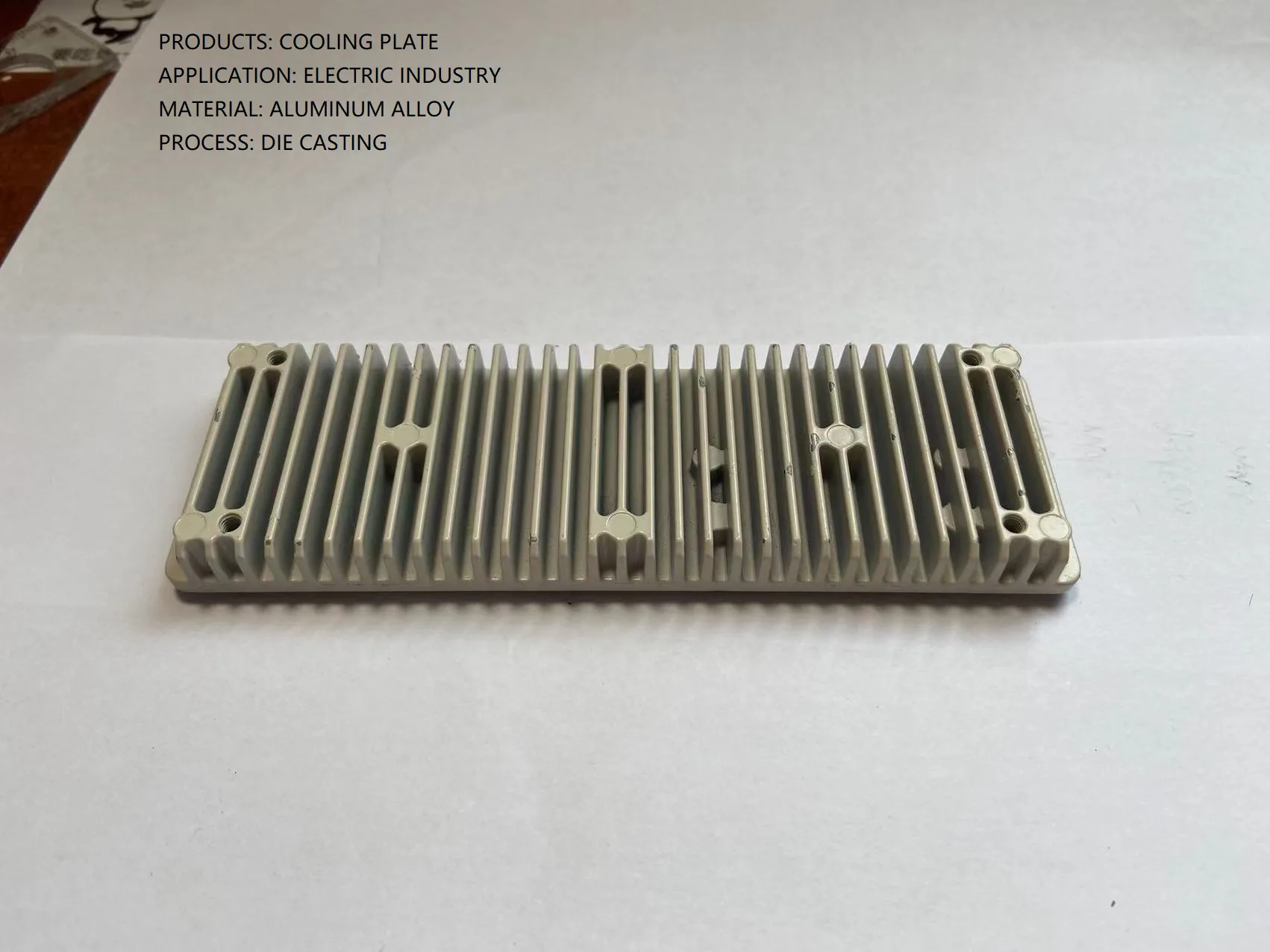
Lead Technical Image
Add a hero-level manufacturing, tooling, or component image that reinforces the article topic above the body copy.
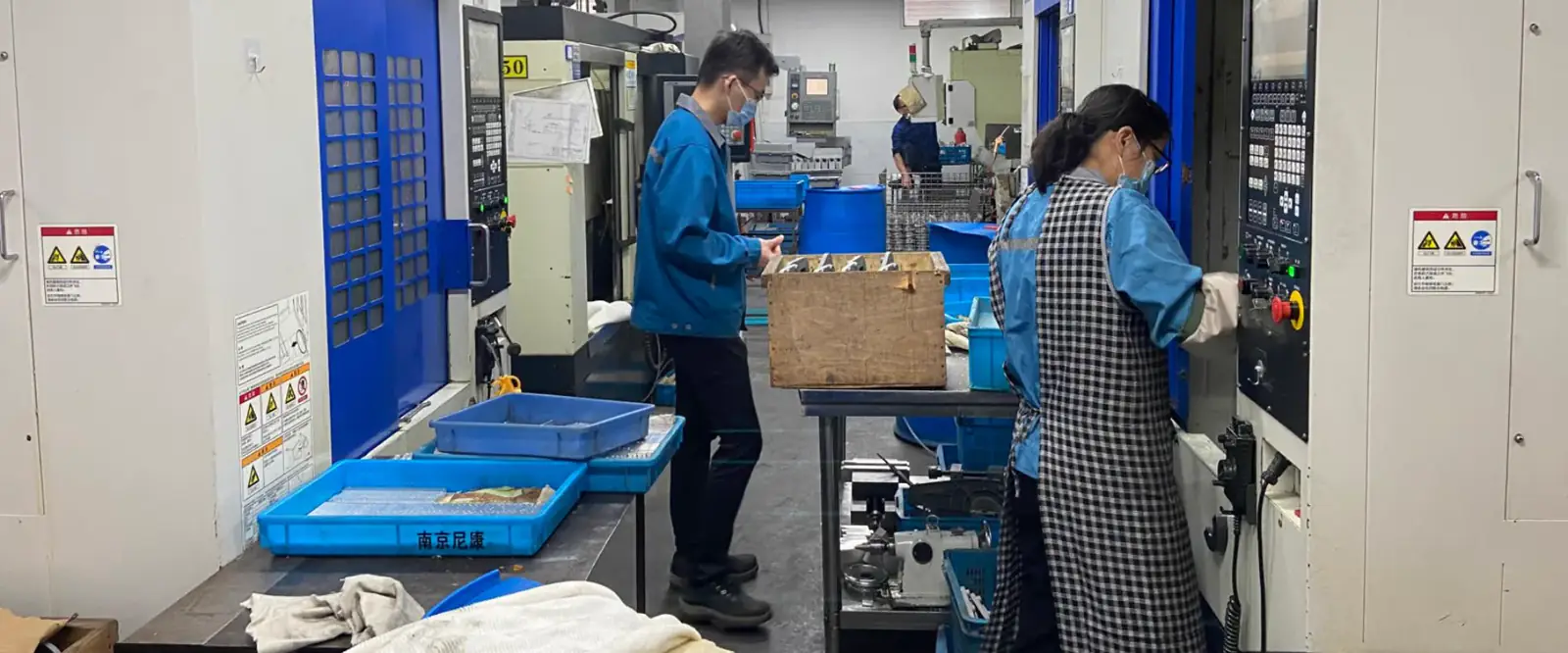
Comparison or Detail Image
Reserve a second image for an alloy comparison, defect example, tooling detail, or application close-up deeper in the article.
Aluminum die casting for electronics enclosures is used when a housing needs mechanical protection, EMI shielding, heat dissipation, gasket sealing, connector features, and repeatable production geometry. It is common in power electronics, industrial controls, telecom equipment, LED drivers, sensors, and outdoor electrical devices.
For buyers, the best enclosure design is not just a box. It is a controlled interface between electronics, heat, sealing, grounding, connectors, surface finish, and assembly.
Where Die Cast Electronics Enclosures Fit
| Application | Why Aluminum Die Casting Fits |
|---|---|
| Power electronics housings | Heat dissipation, shielding, machined interfaces |
| Industrial control enclosures | Durable housing with bosses, ribs, and gasket grooves |
| Telecom equipment | Outdoor durability, EMI shielding, thermal paths |
| Sensor housings | Precision, sealing, connector bosses |
| LED driver boxes | Heat control, corrosion protection, sealing |
| Motor controller covers | EMI shielding, machined datums, gasket areas |
Die casting becomes especially useful when the enclosure needs both mechanical and electrical functions.
EMI Shielding Considerations
Aluminum enclosures can support EMI shielding because the metal body creates a conductive barrier. Good shielding still depends on design details:
- Maintain electrical continuity across mating surfaces.
- Define gasket type and compression.
- Avoid coating buildup on grounding contact points.
- Control flatness on cover and gasket surfaces.
- Review connector openings and cable exits.
- Specify masking where bare metal contact is required.
- Test the finished assembly, not only the casting.
If shielding is a critical requirement, the die casting, finishing, gasket, and assembly design should be reviewed together.
Tolerances and Machining
Die casting can produce repeatable near-net shapes, but electronics enclosures often need secondary machining for:
- Connector openings
- Threaded holes
- Gasket grooves
- Flat cover surfaces
- Grounding pads
- Heat-transfer pads
- Precision mounting bosses
Critical tolerances should be placed on functional surfaces, not every cosmetic wall. Over-tightening non-critical dimensions increases cost without improving performance.
For general tolerance guidance, see die casting tolerances and die casting DFM.
Alloy and Finish Selection
| Requirement | Typical Direction |
|---|---|
| General electronics enclosure | A380 or ADC12 |
| Better corrosion resistance | A360 |
| Pressure-tight or sealed cavity | A413 or vacuum-assisted HPDC review |
| Outdoor housing | Powder coating, conversion coating, or painting |
| Grounding contact | Masked or machined bare metal area |
| Thermal contact | Machined pad, controlled flatness, finish review |
Surface finish should be decided early because coating thickness can affect gasket compression, connector fit, threads, and grounding performance.
Sealing and Outdoor Use
Electronics enclosures used outdoors or in industrial environments may need gasket grooves, O-ring channels, sealed cable exits, drainage design, and corrosion-resistant finishing.
Buyers should define:
- IP rating target if applicable
- Gasket material and compression
- Cover screw pattern
- Surface flatness after machining
- Coating thickness limits
- Salt spray or corrosion requirement
- Cable gland and connector standards
- Leak or spray test method if required
The enclosure should be evaluated as an assembly, not only as a casting.
RFQ Information to Send
Send the supplier:
- 3D model and 2D drawing
- PCB or internal component clearance requirements
- Connector and cable gland specifications
- EMI shielding requirement
- IP or sealing requirement
- Thermal contact areas
- Surface finish and color
- Annual volume
- Assembly hardware requirements
For related applications, see electronics die casting, aluminum die casting for heat sinks, and surface finishing.
FAQ
Why use aluminum die casting for electronics enclosures?
Aluminum die casting is used for electronics enclosures because it provides durable metal protection, EMI shielding, heat dissipation, integrated bosses, and repeatable production geometry.
Can aluminum die casting provide EMI shielding?
Yes. Aluminum can support EMI shielding, but the final shielding performance depends on grounding contact, gasket design, coating control, connector openings, and assembly testing.
Do electronics enclosures need CNC machining after casting?
Most die cast electronics enclosures need machining for connector openings, threaded holes, gasket grooves, flat sealing surfaces, grounding pads, or thermal contact areas.
What finish is used for die cast electronics housings?
Common finishes include powder coating, painting, conversion coating, and machined bare-metal contact areas. The best finish depends on corrosion, grounding, cosmetic, and thermal requirements.
Related
About The Author
Mike Yao on aluminum die casting electronics
Technical Director, Die Casting Engineering
Technical Director at KastMfg with 20+ years in high-pressure die casting, leading engineering and program management across aluminum, zinc, and magnesium programs for automotive, EV, electronics, and medical OEMs worldwide.
View author profileRelated Reading
Keep exploring the blog
Die Cast Enclosure IP Ratings: Design Guide
Die Cast Enclosure IP Ratings: Design Guide Ask an electronics forum how to house a controller that must survive rain, hose-down, or a dunk in shallow water, and the answers con...
Mike Yao
14 min read
Die Casting vs Permanent Mold Casting: Which to Choose?
Die Casting vs Permanent Mold Casting: How to Choose Die casting and permanent mold casting are both metal mold processes - both use reusable steel or iron dies rather than expe...
Mike Yao
8 min read
Threaded Holes in Die Cast Aluminum: Guide
Threaded Holes in Die Cast Aluminum: Guide Ask a machining forum whether threads can be tapped straight into die cast aluminum and the answers split into two camps. One calls it...
Mike Yao
12 min read
CNC Machining Die Castings: Tolerances & Cost
CNC Machining Die Castings - When It Is Needed, Tolerances and Cost Impact CNC machining die castings is used when as-cast geometry cannot meet functional tolerances, sealing re...
Mike Yao
8 min read