Chromate Conversion Coating (Alodine / Chem Film) for Die Cast Parts
Chromate conversion coating explained for die cast parts: Alodine and chem film, MIL-DTL-5541 types and classes, RoHS options, and when to specify it on aluminum and magnesium castings.

Technical Director, Die Casting Engineering
Blog Visual Plan
Article visuals for chromate conversion coating
These visuals use your current KastMfg image library now, and they will automatically switch to article-specific images when you add them later.
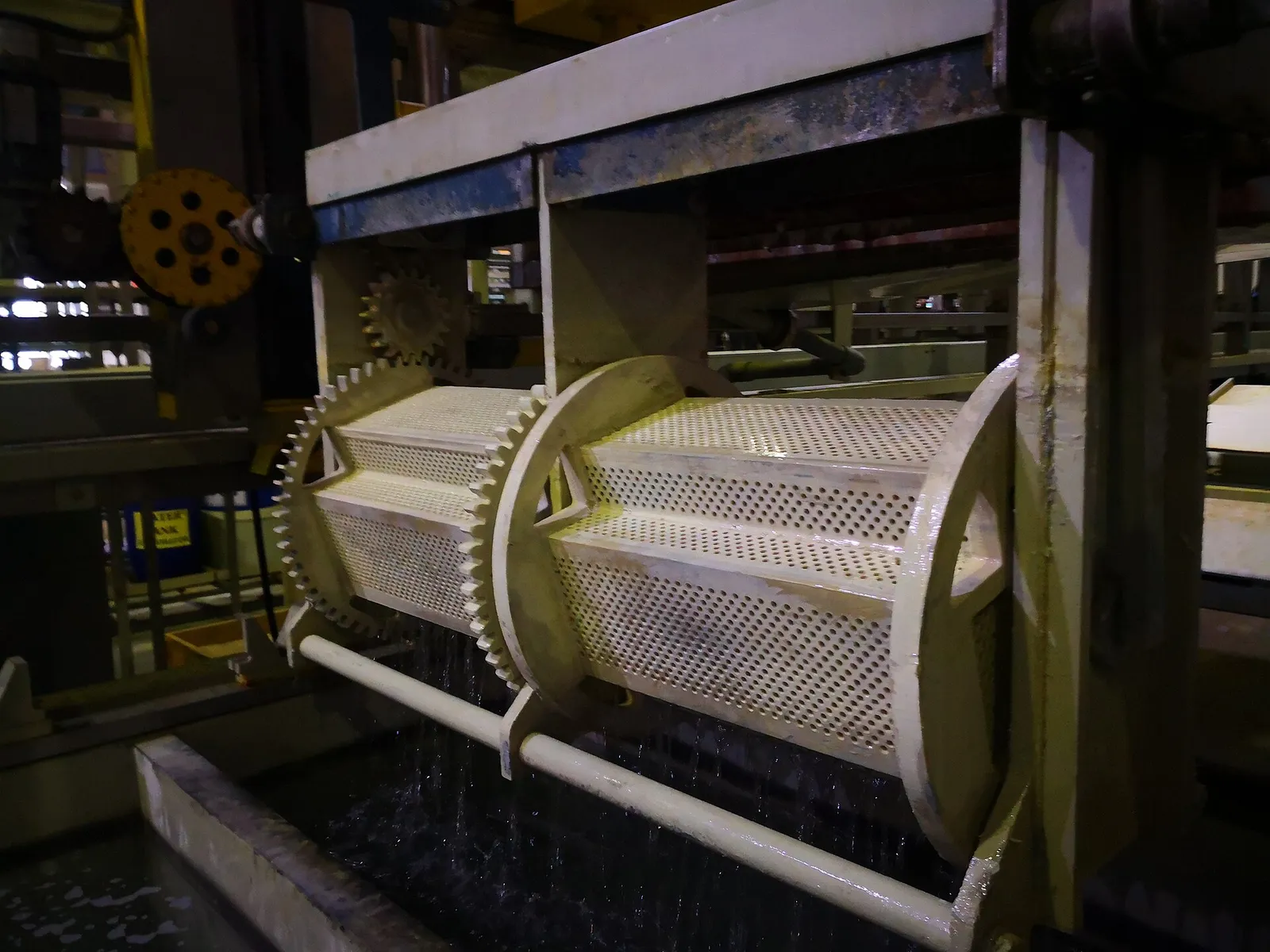
Lead Technical Image
Add a hero-level manufacturing, tooling, or component image that reinforces the article topic above the body copy.
Comparison or Detail Image
Reserve a second image for an alloy comparison, defect example, tooling detail, or application close-up deeper in the article.
Chromate conversion coating is the thinnest, cheapest corrosion protection you can put on an aluminum die casting - and the most misunderstood. Buyers meet it under three names (Alodine, chem film, chromate) that all mean the same family of processes, and under a military specification (MIL-DTL-5541) whose types and classes actually decide what you get.
This guide explains what the coating is, how the naming maps to the spec, and when it is the right call for die cast parts.
The Naming Confusion, Cleared Up
| Name you will hear | What it actually is |
|---|---|
| Chromate conversion coating | The generic process name - a chemical reaction that converts the aluminum surface into a protective chromate layer |
| Chem film | Shop-floor shorthand for the same process ("chemical film") |
| Alodine | Henkel's brand name for its chromate conversion chemicals - like calling all tissues "Kleenex" |
| Iridite | MacDermid's competing brand name |
| Yellow chromate / clear chromate | Appearance descriptions that map to spec classes (below) |
When a drawing says "Alodine," the engineer almost always means "chromate conversion coating per MIL-DTL-5541" - the brand name is just habit. What matters is the type and class called out.
What the Coating Is (and Is Not)
The part is immersed in (or sprayed with) an acidic chromate solution. The bath dissolves a microscopic amount of aluminum and re-deposits it as a gel-like chromium-containing film, typically 0.5 to 2.5 um thick. That film:
- Blocks corrosion by passivating the surface
- Anchors paint and powder coat (it is the standard adhesion pretreatment)
- Stays electrically conductive - unlike anodize or powder coat
- Adds essentially no dimension - threads, bores, and mating faces are unaffected
What it is not: decorative, thick, or particularly scratch-resistant. Fresh chromate films are soft and mark easily; they harden over about 24 hours of aging. Nobody wins a design award with a chem film finish - that is not its job.
MIL-DTL-5541: Types and Classes That Matter
The current specification (superseding MIL-C-5541) splits coatings two ways:
By chemistry - Type:
- Type I: hexavalent chromium (Cr6+). The traditional chemistry - best-established corrosion performance, but hex chrome faces tightening environmental regulation.
- Type II: trivalent chromium or chrome-free (TCP and alternatives). RoHS-compliant; the default for new commercial programs and any part sold into the EU.
By performance - Class:
- Class 1A: maximum corrosion protection. Thicker, usually golden/yellow to brown appearance. Used as a final finish or under paint where corrosion is the enemy.
- Class 3: corrosion protection with low electrical resistance. Thinner, clear to faintly iridescent. The class you specify for grounding pads, EMI contact surfaces, and electrical bonding points.
So "MIL-DTL-5541, Type II, Class 3" decodes to: RoHS-compliant clear chromate that protects against corrosion while staying electrically conductive - the most common callout on electronics housings.
Alodine vs Anodizing
Buyers mix these up constantly because both are "aluminum surface treatments that start with A." They are opposites in almost every property:
| Property | Chromate conversion (Alodine) | Anodizing (Type II) |
|---|---|---|
| Thickness | 0.5-2.5 um | 5-25 um |
| Electrical | Conductive (Class 3 especially) | Insulating |
| Hardness/wear | Soft, marks when fresh | Ceramic-hard |
| Appearance | Clear to gold iridescent | Uniform metallic, dyeable |
| Corrosion alone | Moderate (better under paint) | Good (better when sealed) |
| Dimension change | Negligible | Small but real |
| Cost | Low | Moderate |
Rule of thumb: anodize is a finish; chem film is a foundation - or the answer when conductivity or zero dimension change rules out everything else. For the full head-to-head, see alodine vs anodizing; for the comparison with powder coating, see anodizing vs powder coating.
Chromate on Die Castings: What to Watch
High-silicon alloys affect appearance, not function. On A380/ADC12 (8-12% silicon), the coating still protects, but the color comes out darker and less uniform than on wrought aluminum. If consistent gold appearance matters, run a sample first.
It is the standard pretreatment under powder coat. The classic stack - clean, etch, deoxidize, chromate, powder coat - is how outdoor die cast enclosures survive. Skipping the conversion layer to save pennies is how you get adhesion failure and underfilm corrosion in year two. (Chrome-free pretreatments now fill this role where RoHS or REACH applies.)
Magnesium needs its own chemistry. Magnesium die castings (AZ91D, AM60B) are too reactive for standard aluminum chromate baths; they get dedicated magnesium conversion treatments before painting. The principle is the same; the bath is different.
Zinc usually goes another way. Zamak parts more often take plating (nickel, chrome) or go straight to powder coat. Chromate on zinc appears mainly as a post-plating sealer - the iridescent or black finish on plated hardware.
Specifying It on Your Drawing
A good callout takes one line:
Chromate conversion coat per MIL-DTL-5541, Type II, Class 1A (or Class 3 where electrical contact is required). Mask threads M6 and grounding face as noted.
Then confirm with your supplier before tooling release:
- Which type/class the finishing line actually runs (Type I lines are not RoHS; assume nothing)
- Whether masking of threads, bores, or contact pads is included in the quote
- Salt-spray or adhesion test expectations if the coating sits under paint
- Sample approval for appearance on your specific alloy
These four questions belong in the quotation stage, not after the tooling is cut — a supplier who answers them in writing before the RFQ is the one whose finishing quotes you can trust.
Finish decisions interact with tooling: once the die is cut, adding "oh, and it needs to survive 500 hours of salt spray" gets expensive. Our die casting surface finishing guide covers how finishing choice feeds back into gate design and machining allowance.
Frequently Asked Questions
Is Alodine the same as anodizing?
No. Alodine (chromate conversion) is a sub-micron conductive chemical film; anodizing is a much thicker, hard, insulating oxide grown by electric current. They solve different problems and are sometimes even used together on different faces of the same part.
Is chromate conversion coating RoHS compliant?
Type I (hexavalent chromium) is not. Type II - trivalent chromium (TCP) or chrome-free - is RoHS compliant and is what you should specify for new programs unless a legacy military contract demands Type I.
How much corrosion protection does chem film give on its own?
Enough for indoor and mild-service aluminum parts, and it meaningfully slows filiform corrosion. For outdoor or marine exposure, treat it as a pretreatment under paint or powder coat rather than a standalone barrier.
Does chromate conversion coating change dimensions?
Effectively no. At 0.5-2.5 um, it is the only corrosion finish you can apply to threaded holes and precision bores without reworking tolerances - which is exactly why engineers specify it.
Can die castings with porosity be chromate coated?
Yes - porosity does not block the process the way it ruins decorative anodizing. Visible pits remain visible (the film is transparent-thin), but corrosion protection still works. Severe porosity is a casting problem to fix at the source; see die casting porosity testing.
Related Reading
- alodine vs anodizing - the head-to-head decision: conductivity, thickness, cost
- anodizing vs powder coating - the decorative finish decision
- die casting surface finishing guide - every finish option on one table
- bead blasting - mechanical surface prep before coating
- die casting plating services - plating options for zinc castings
- die casting quality standards - specs and inspection language that belongs on drawings
Have a MIL-DTL-5541 callout on your drawing? Send the spec to casting@kastdiecast.com and we will confirm the finishing route for your alloy before tooling release | +86 138 1403 4409 | No.6, Rungu Road, Nanjing, China
About The Author
Mike Yao on chromate conversion coating
Technical Director, Die Casting Engineering
Technical Director at KastMfg with 20+ years in high-pressure die casting, leading engineering and program management across aluminum, zinc, and magnesium programs for automotive, EV, electronics, and medical OEMs worldwide.
View author profileRelated Reading
Keep exploring the blog
As-Cast Surface Finish: What Die Castings Really Look Like
As-Cast Surface Finish: What Die Castings Really Look Like "As-cast" is the surface a die casting carries the moment it leaves the die and the trim press - no blasting, polishin...
Mike Yao
8 min read
Can Steel Be Die Cast? Why Conventional HPDC Says No
Can Steel Be Die Cast? Why Conventional HPDC Says No No - steel cannot be made by conventional high-pressure die casting. The commercial process is limited to zinc, magnesium an...
Mike Yao
6 min read
Threaded Holes in Die Cast Aluminum: Guide
Threaded Holes in Die Cast Aluminum: Guide Ask a machining forum whether threads can be tapped straight into die cast aluminum and the answers split into two camps. One calls it...
Mike Yao
12 min read
Alodine vs Anodizing - Conductivity, Thickness & How to Choose
Alodine vs Anodizing - Which Finish for Your Aluminum Part? Alodine and anodizing get mixed up constantly. Both are aluminum surface treatments, both show up in MIL specs on dra...
Mike Yao
10 min read