E-Coating (Electrocoating) for Die Cast Parts
E-coating (electrocoating, CED) on aluminum and zinc die cast parts: film thickness, edge coverage, salt spray, bake-out outgassing on porous castings, and e-coat vs powder vs anodize.

Technical Director, Die Casting Engineering
Blog Visual Plan
Article visuals for e coating
These visuals use your current KastMfg image library now, and they will automatically switch to article-specific images when you add them later.
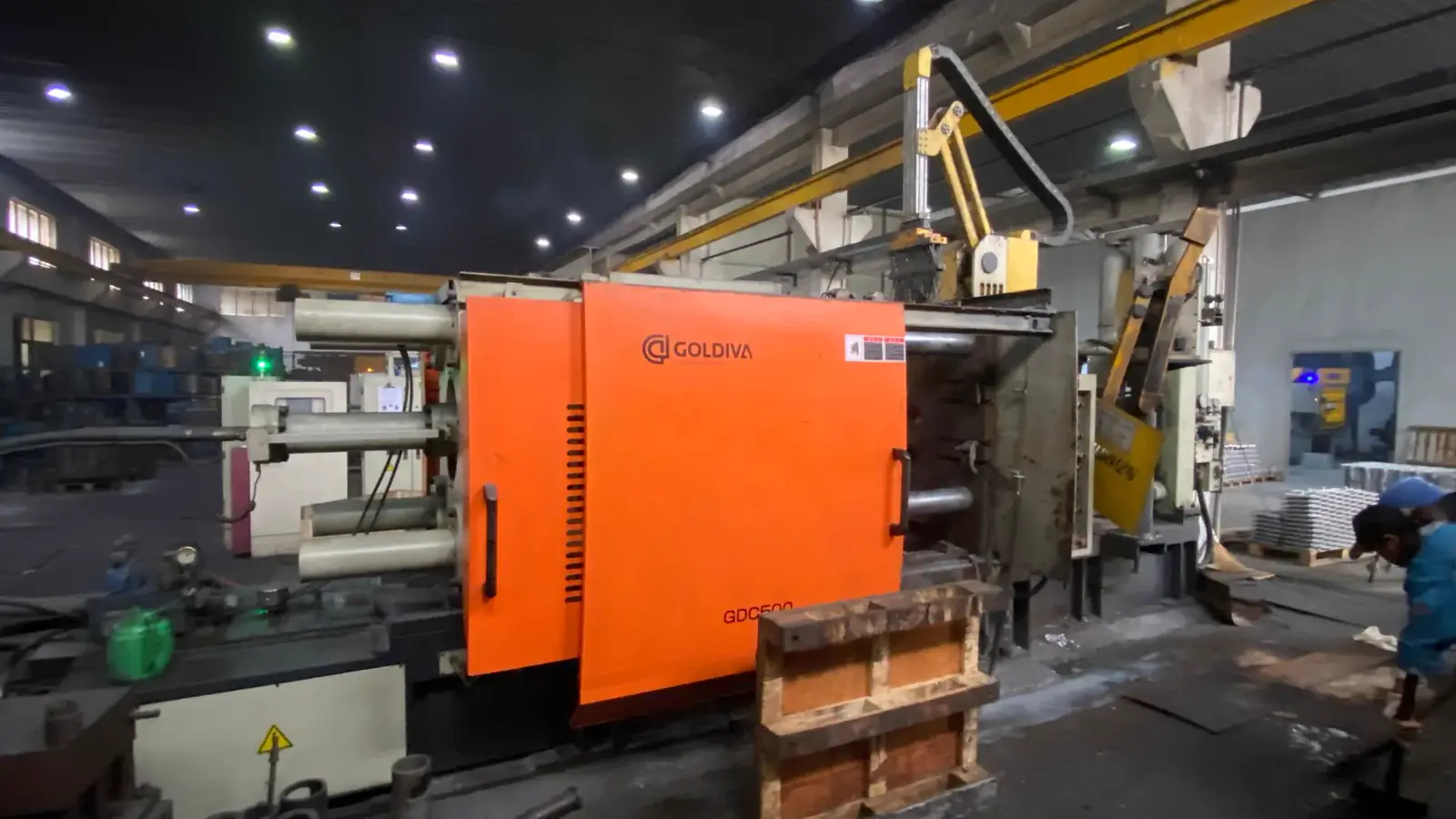
Lead Technical Image
Add a hero-level manufacturing, tooling, or component image that reinforces the article topic above the body copy.
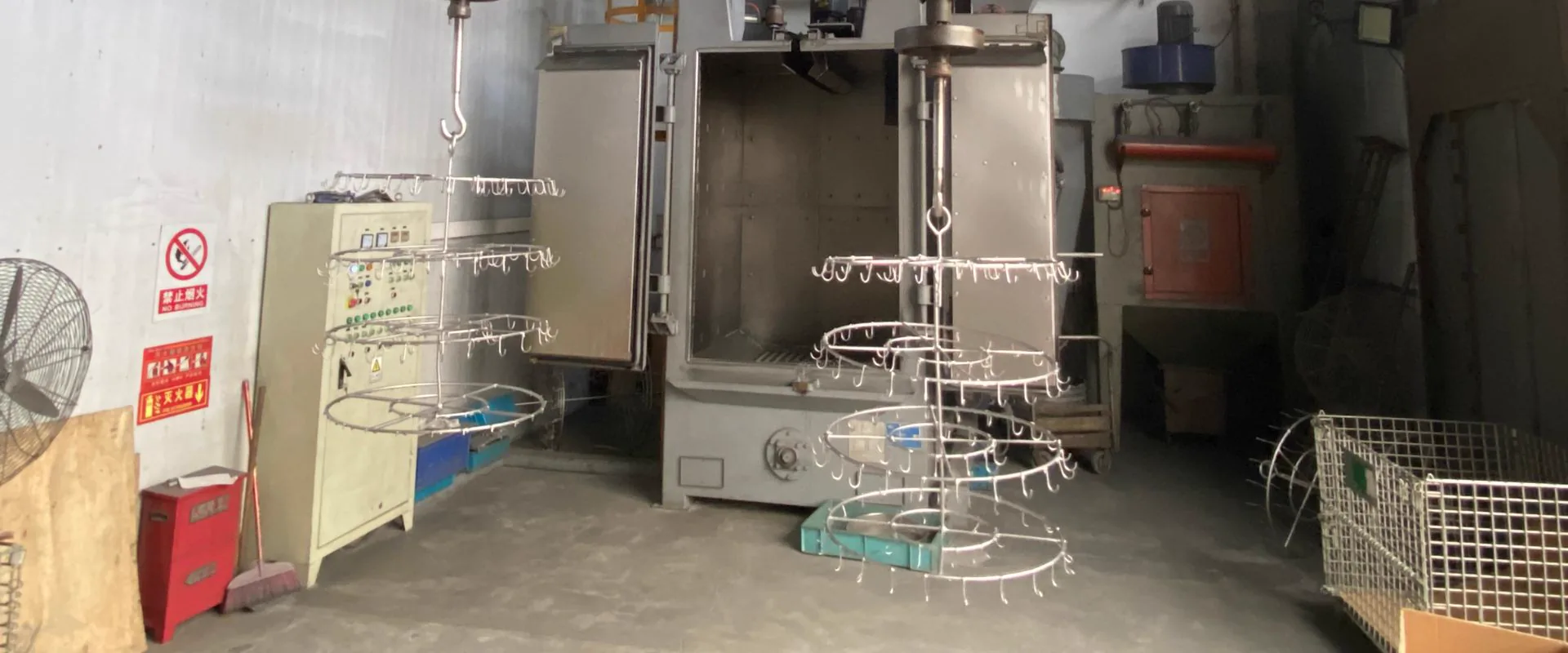
Comparison or Detail Image
Reserve a second image for an alloy comparison, defect example, tooling detail, or application close-up deeper in the article.
E-coating - the name you will also see written as e coating, electrocoating, electrophoretic coating, or CED (cathodic electrodeposition) - is a dip coating process: the parts go into a bath of waterborne paint, a DC rectifier applies a voltage, and charged paint particles migrate to the part and deposit as a continuous film. On die cast parts the process earns its keep in two places where spraying struggles: deep cavities and internal corners that need real corrosion primer coverage.
That second point is what makes e-coating worth a separate discussion from powder coating and painting. A die cast housing with ribs, bosses, and a threaded blind hole is exactly the geometry electrostatic spraying coats worst - and exactly the geometry electrodeposition coats best. This guide covers the e-coating process, its honest limits on porous castings, and when e-coat is the right call on aluminum and zinc die castings.
How the E-Coating Process Works
Modern lines run cathodic electrocoating: the part is the cathode, the charged paint particles are attracted to it, and deposition happens electrochemically rather than by spray. The sequence on a production line is short:
- Pretreat - clean, etch, and apply a conversion coating suited to the substrate (zirconium/titanium film, aluminum-grade phosphating, or an approved chromate). This layer decides adhesion and salt spray more than anything that happens after it.
- Immerse - rack the parts and dip them in the paint bath. Because the part is fully submerged, every wetted surface - outside, inside, blind holes - sees the bath at once.
- Deposit - apply DC voltage. Charged paint particles move to the part surface and build a uniform wet film.
- Rinse and cure - recover excess paint with ultrafiltrate rinses, flash off the water, and bake the film at roughly 160-180 C metal temperature for 10-30 minutes (always per the paint supplier TDS).
The physics that make e-coat different live in step 3. The deposited film is non-conductive: once an area is coated, current stops flowing there, and deposition shifts to the still-bare areas until the whole part reaches a self-limited thickness. That self-limiting behavior is why e-coat throws so well into recesses - throwing power in the standard box test can exceed 200 mm, where electrostatic powder thins out.
Film Thickness, Cure, and Coverage
Typical dry film thickness by system:
- Automotive CED primer: 15-25 um
- General industrial e-coat: 15-35 um
- High-build systems: 30-50 um and above
The practical cure window is around 160-180 C metal temperature for 10-30 minutes. Read that carefully: the spec is the temperature measured on the part, not the oven air setpoint. A heavy casting racked cold can take a long time to reach metal temperature, and under-cured e-coat chalks, marks, and corrodes early.
On coverage, the comparison with powder coating is physics, not salesmanship. Electrostatic powder follows field lines, and field lines concentrate on external corners and edges. Deep cavities, blind holes, and internal angles sit inside a self-shielding region the powder industry calls the Faraday cage - film there comes out thin or missing. E-coat is immune to that geometry problem because the part is submerged and every wetted surface sees the same electrochemical deposition. External corners actually film slightly thinner in e-coat (the self-limiting effect is mildest there), but for the recesses where corrosion starts, e-coat wins outright.
E-Coat on Die Castings: The Outgassing Problem
Here is the honest section. Die castings are porous - that is the nature of high-pressure metal injection (see die casting porosity testing). Porosity that sits quietly through machining becomes a defect generator the moment the casting hits a 150-180 C cure oven: gas and residual liquid in the pores expand and push out through the wet film, leaving pinholes, bubbles, blistering, or local loss of adhesion. There is no single safe temperature threshold - it depends on how much gas your casting holds and how fast the oven ramps.
Mitigations, in the order buyers usually meet them:
- Pre-bake (degas bake) the castings before coating so the worst of the gas escapes early
- Slow the ramp - a gentler heat-up lets pores vent gradually instead of bursting through the film
- Full flash-off - make sure water is out of the film before it hits cure temperature
- Low-temperature, long-time cure systems where the coating supplier offers them
- Vacuum impregnation to seal porosity before the coating line - the standard fix for pressure-tight and cosmetic-critical castings (die casting impregnation)
- Fix the casting - reduce gas entrapment at the source (sprue, vents, shot control) instead of accepting porous stock
If your e-coated castings blistered, the root cause is usually in the metal, not the paint bath. The finishing line just made it visible.
Corrosion Performance
A qualified e-coat system on a properly pretreated part commonly survives 500-1000 hours of neutral salt spray per ASTM B117. Read the fine print on any number you are quoted: acceptance is usually written as scribe creep after a set exposure - for example, less than 1 mm of creep at 504 hours - and the result depends as much on pretreatment and film thickness as on the coating itself.
For demanding outdoor service, the standard stack is e-coat primer plus powder topcoat. The dual-coat system is commonly specified to 1000 hours of salt spray and beyond, with the e-coat covering recesses the powder cannot reach and the powder adding UV-stable color and impact resistance. E-coat alone is a primer-class coating: an outdoor-exposed epoxy e-coat will eventually chalk and powder, so for color-critical exterior parts plan on the dual system.
E-Coat vs Powder Coating vs Anodizing
The e coat vs powder coat vs anodize decision usually settles on coverage, color, and substrate:
| Factor | E-coat | Powder coating | Anodizing |
|---|---|---|---|
| What it is | Electrophoretically deposited, baked polymer film | Electrostatically sprayed, oven-cured polymer | Electrochemically grown oxide |
| Typical thickness | 15-35 um | 60-150 um | 5-25 um |
| Internal cavity coverage | Best - full immersion deposition | Poor in deep cavities (Faraday cage) | Bath immersion, but film quality varies by alloy |
| Color range | Limited industrial (mostly black/gray) | Nearly unlimited (any RAL) | Metallic, limited dye colors |
| Outdoor durability (film alone) | Chalks (epoxy); needs topcoat | Good with proper system | Good when sealed |
| Electrical | Insulating - mask contacts | Insulating - mask contacts | Insulating - mask contacts |
| Line requirement | Tanks, rectifier, ultrafiltration, oven - continuous high volume | Spray booth and oven | Anodizing line, dye tanks |
| Fit on die cast alloys | Aluminum and zinc with correct pretreatment | Any cast alloy | Poor on high-silicon alloys |
One-line selection advice: if the fight is corrosion inside complex geometry at volume, e-coat is the tool. If the fight is color and outdoor cosmetics, powder wins. If the part must look and wear like metal, that is anodizing - with the usual die casting alloy caveats. For the powder-versus-anodize half of that decision, see anodizing vs powder coating.
Pretreatment and Substrates
E-coat is not picky about metal - steel, cast iron, aluminum, and zinc die castings all run on commercial lines - but it is picky about surface prep. The standard options for aluminum and zinc die castings:
- Zirconium or titanium conversion films - the modern RoHS-friendly default, applied in a short spray or dip stage
- Aluminum-compatible phosphating - the older workhorse, still widely run
- Approved chromate conversion - where legacy specs allow it; RoHS programs should assume zirconium (see chromate conversion coating)
Treat this as the number that decides your salt spray result. Two castings with identical e-coat film can sit 500 hours apart in ASTM B117 purely because one line pretreated properly and the other skipped conversion quality control.
For e coating aluminum and zinc die castings, two watch items: zinc is reactive, so bath pH and pretreatment chemistry must be matched to it - confirm the line runs zinc regularly, not as an experiment - and machined chips left in blind holes will contaminate the bath, so cleanliness is a drawing-level requirement.
One more mask note: cured e-coat is an insulating polymer film. Any grounding pad, EMI contact face, or electrical mating surface must be masked before the line, because after cure the surface no longer conducts. If conductivity is the requirement, a thin conversion coating is the better finish, not e-coat.
When to Specify E-Coat on a Die Cast Part
- Complex internal geometry - ribs, deep bosses, blind holes that must carry corrosion primer: e-coat is the only economical way to cover them.
- Corrosion primer under a topcoat - the e-coat plus powder dual system for outdoor enclosures, brackets, and under-hood parts.
- High volume on one part number - a dip line amortizes when parts flow continuously; at low volume, batch powder usually costs less.
- Black or gray industrial appearance - e-coat colors are limited, and that is fine when the part hides inside a machine.
- Any die cast part with uncontrolled porosity - pause and review the porosity risk first; a degas bake or die casting impregnation may need to go on the route card.
Choose powder instead when brand color, gloss, or texture matters. Choose anodizing when the part must look like metal - on an alloy that anodizes acceptably. And call out the finish, plus every surface that must stay bare, on the drawing before tooling release; changing finishes after die approval usually forces masking and tolerance rework. The die casting surface finishing guide walks the full option set.
Frequently Asked Questions
Is e-coat the same as powder coating?
No - that is the most common mix-up in finishing RFQs. E-coat is an electrodeposited primer-class film applied from a liquid bath by DC voltage; powder coating is a thicker decorative polymer sprayed as charged dry powder and baked. They are more often used together (e-coat primer, powder topcoat) than substituted for each other.
Does e-coat conduct electricity?
No. Cured e-coat is an insulating polymer film - typically epoxy-based - so it cannot serve as a grounding or current-carrying surface. Mask every electrical contact face before the line, or specify a conductive finish such as chromate conversion on those areas instead.
Can zinc die castings be e-coated?
Yes. Zinc die castings run on e-coat lines with the correct pretreatment chemistry and controlled bath conditions, and zinc hardware is e-coated in huge volumes. The caveat is supplier experience: confirm your finisher runs zinc regularly, since zinc's reactivity punishes sloppy bath control.
How thick is e coating?
Typically 15-35 um dry film for standard industrial systems, with automotive CED primer at 15-25 um and high-build systems reaching 30-50 um or more. The film is self-limiting, so thickness varies little across the part - that uniformity is one of the process's main selling points.
Why did my e-coated casting blister?
Almost always outgassing: gas and residual liquid trapped in casting porosity expand during the 150-180 C cure and blow through the wet film. The fix is rarely more paint - it is a degas pre-bake, a slower oven ramp, vacuum impregnation of the casting, or better porosity control at the foundry.
Related Reading
- die casting surface finishing guide - every finish on one table
- chrome plating on die castings - the sister coating page for decorative metal finishes
- anodizing vs powder coating - the decorative finish decision in depth
- die casting porosity testing - quantifying the porosity that drives blistering
- die casting surface finishing services - KastMfg finishing capability
Specifying e-coat on a die cast part? Send the drawing to casting@kastdiecast.com - we will confirm porosity risk and pretreatment route before coating | +86 138 1403 4409 | No.6, Rungu Road, Nanjing, China
About The Author
Mike Yao on e coating
Technical Director, Die Casting Engineering
Technical Director at KastMfg with 20+ years in high-pressure die casting, leading engineering and program management across aluminum, zinc, and magnesium programs for automotive, EV, electronics, and medical OEMs worldwide.
View author profileRelated Reading
Keep exploring the blog
Anodizing vs Powder Coating for Die Cast Parts - How to Choose
Anodizing vs Powder Coating - Which Finish Fits Your Die Cast Part? Anodizing and powder coating are the two finishes buyers compare most often for aluminum parts - but they beh...
Mike Yao
7 min read
As-Cast Surface Finish: What Die Castings Really Look Like
As-Cast Surface Finish: What Die Castings Really Look Like "As-cast" is the surface a die casting carries the moment it leaves the die and the trim press - no blasting, polishin...
Mike Yao
8 min read
Aluminum vs Zinc Die Casting - How to Choose
Aluminum vs Zinc Die Casting — Choosing the Right Material for Your Part Aluminum and zinc are the two dominant die casting metals globally, together accounting for over 90% of...
Mike Yao
5 min read
Threaded Holes in Die Cast Aluminum: Guide
Threaded Holes in Die Cast Aluminum: Guide Ask a machining forum whether threads can be tapped straight into die cast aluminum and the answers split into two camps. One calls it...
Mike Yao
12 min read