Die Casting Simulation: How Mold Flow Analysis Saves Money
Die casting simulation explained: how mold flow analysis predicts fill, solidification, porosity and shrinkage before tooling, and why it reduces tooling iterations and improves first-shot quality.

Technical Director, Die Casting Engineering
Blog Visual Plan
Article visuals for die casting simulation
These visuals use your current KastMfg image library now, and they will automatically switch to article-specific images when you add them later.
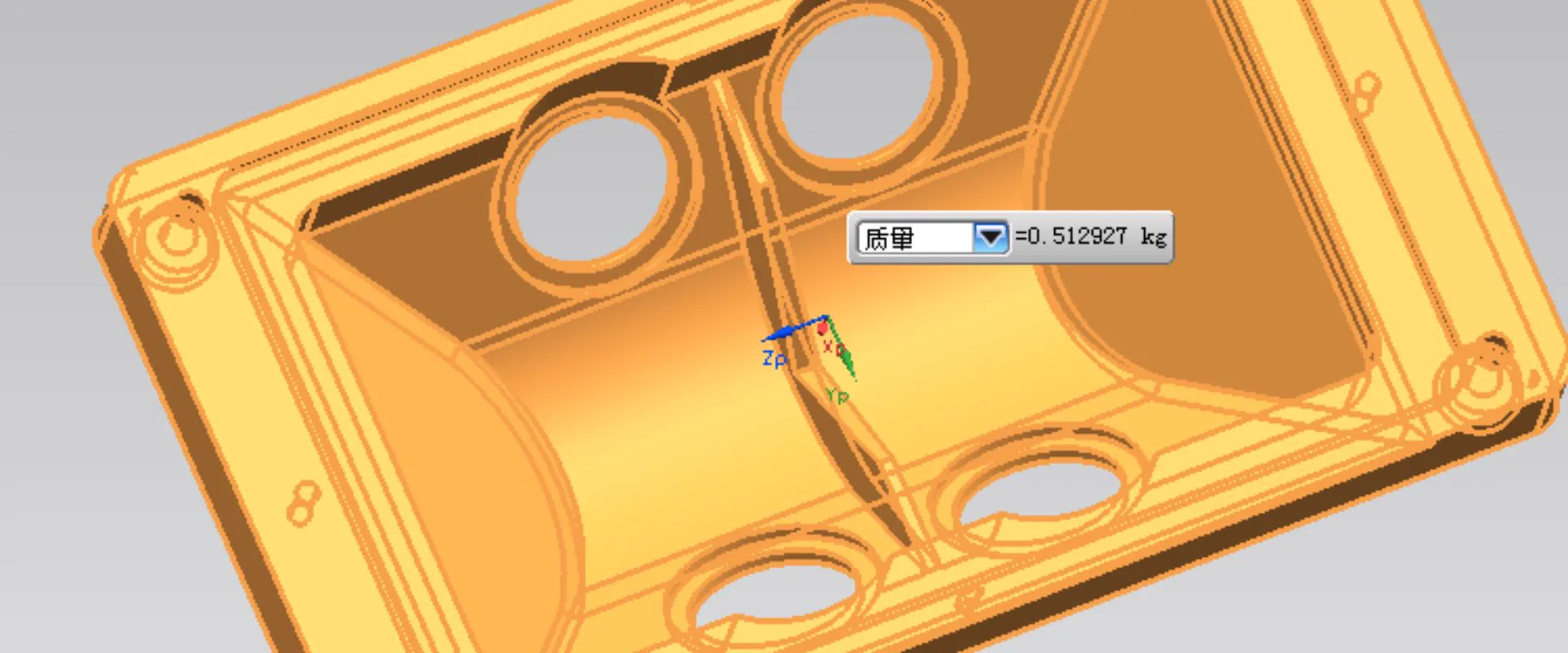
Lead Technical Image
Add a hero-level manufacturing, tooling, or component image that reinforces the article topic above the body copy.
Comparison or Detail Image
Reserve a second image for an alloy comparison, defect example, tooling detail, or application close-up deeper in the article.
Die casting simulation - also called mold flow analysis or casting simulation - uses software to model how molten metal fills a die, solidifies, and shrinks. It lets engineers find and fix porosity, cold shuts, and hot spots on a computer screen, before a single dollar is spent cutting tool steel.
For buyers, simulation is the difference between a tool that runs right the first time and a tool that needs two or three expensive correction loops. It is one of the clearest signals of a technically mature supplier.
What Simulation Predicts
Modern casting simulation software models the full process. The leading tools are MAGMASOFT, ProCAST (ESI), FLOW-3D CAST, and Altair Inspire Cast:
- Fill pattern - how metal enters the cavity, where it splits and rejoins, and where turbulence or air entrapment occurs.
- Cold shuts - where two metal fronts meet and fail to fuse.
- Air entrapment and gas porosity - where trapped air will leave voids, critical for gas porosity prediction.
- Solidification - how the part freezes, where shrinkage porosity will form, and where feeding is inadequate.
- Hot spots and thermal stress - where heat concentrates, causing warpage or hot tearing.
- Die temperature distribution - where the die runs hot or cold, affecting cycle time and die life.
Why Simulation Reduces Cost and Time
A casting tool costs $5,000-$150,000 and takes 4-8 weeks to build. Every design change after trial sampling costs money and delays the program. Simulation front-loads the learning:
| Without simulation | With simulation |
|---|---|
| Cut tool, run sample, find defect | Model fill and solidification first |
| Modify tool, retest (repeat) | Correct gating and venting in software |
| 2-3 sampling loops typical | Usually one sampling loop |
| Higher tooling cost and lead time | Lower cost, faster to production |
For complex parts, simulation often eliminates one or more physical tooling iterations - the software lets engineers correct gating, venting, and cooling design on screen before steel is cut. While there is no single universal cost-savings percentage, the practical effect is fewer tool re-cuts, fewer tryout loops, and faster convergence on a production process window.
When Simulation Is Worth It
Simulation is standard practice for certain parts and overkill for others:
Always simulate:
- Large, heavy castings where tooling cost is high.
- Parts with thin walls or complex gating.
- Structural or pressure-tight parts where porosity is unacceptable.
- Multi-cavity tools where balanced fill matters.
May skip:
- Very simple, low-risk parts where experience is a reliable guide.
- Repeat orders of an existing, proven tool.
A good rule: if the tool costs more than $10,000 or the part is porosity-sensitive, simulation pays for itself.
What to Ask Your Supplier About Simulation
When evaluating a supplier, ask specific questions:
- Which software do you use? MAGMASOFT and ProCAST are the industry leaders.
- Do you simulate fill, solidification, or both? Both is ideal.
- Will you share the simulation report? A transparent supplier provides fill and porosity prediction images with the DFM review.
- How do you validate simulation against real parts? The best suppliers correlate predictions with X-ray and sectioning results.
A supplier that simulates and shares results is a strong indicator of process maturity - see our supplier audit checklist for more evaluation criteria.
Simulation and High-Integrity Casting
Simulation is especially important for high-integrity and vacuum-assisted die casting, where the goal is near-zero porosity. The software models the vacuum effect, predicting where residual gas might remain and guiding vent and vacuum channel placement.
For structural parts that must be heat treated to T6, simulation predicts where porosity would cause blistering, allowing the design to be corrected before tooling.
FAQ
What is the best die casting simulation software?
MAGMASOFT and ProCAST (now part of ESI) are the two most widely used commercial packages. FLOW-3D CAST is also common. The choice matters less than whether the supplier uses it consistently and validates against real parts.
How accurate is die casting simulation?
Simulation is generally reliable for locating defects and ranking design/process variants - fill pattern and cold-shut location are predicted to good engineering accuracy once the model is calibrated. Absolute prediction of pore size and morphology is less exact; the tools are best used for relative comparison of design options rather than precise pore-by-pore metrology.
Does simulation eliminate the need for trial sampling?
No. Simulation reduces the number of sampling iterations but physical trial sampling is still needed to validate the model and fine-tune process parameters.
How much does simulation add to tooling cost?
Simulation is usually a small fraction of tooling cost (often bundled into DFM), and it typically saves far more than it costs by eliminating tooling rework.
Related
KastMfg applies mold flow simulation to every new tool, modeling fill and solidification before cutting steel, and shares the results with you as part of the DFM review. Send us your drawing for a simulation-backed quote.
About The Author
Mike Yao on die casting simulation
Technical Director, Die Casting Engineering
Technical Director at KastMfg with 20+ years in high-pressure die casting, leading engineering and program management across aluminum, zinc, and magnesium programs for automotive, EV, electronics, and medical OEMs worldwide.
View author profileRelated Reading
Keep exploring the blog
Die Casting vs Permanent Mold Casting: Which to Choose?
Die Casting vs Permanent Mold Casting: How to Choose Die casting and permanent mold casting are both metal mold processes - both use reusable steel or iron dies rather than expe...
Mike Yao
8 min read
Die Casting Tooling Steel: H13 vs P20 Compared
H13 vs P20 Die Casting Tooling Steel - When to Use Each H13 and P20 are both tool steels, but they are not equal choices for die casting. H13 is the standard for production die...
Mike Yao
6 min read
Die Casting Die Explained - Anatomy, Steel, Life, and Cost
Die Casting Die - What It Is, How It's Built, and What It Costs A die casting die is a precision steel mold - typically two machined halves of H13 hot-work tool steel - that sha...
Mike Yao
5 min read
Die Casting Porosity Testing - X-Ray, CT & Leak
Testing for Porosity in Die Castings - X-Ray, CT Scan, Leak Test and Impregnation Die casting porosity testing checks whether internal voids, gas pores, shrinkage cavities, or c...
Mike Yao
9 min read