Zinc Die Casting Applications: Where Zamak Wins
Explore zinc die casting applications where Zamak alloys outperform aluminum: locks, connectors, hardware, small mechanisms, and precision plated parts.

Technical Director, Die Casting Engineering
Blog Visual Plan
Article visuals for zinc die casting applications
These visuals use your current KastMfg image library now, and they will automatically switch to article-specific images when you add them later.
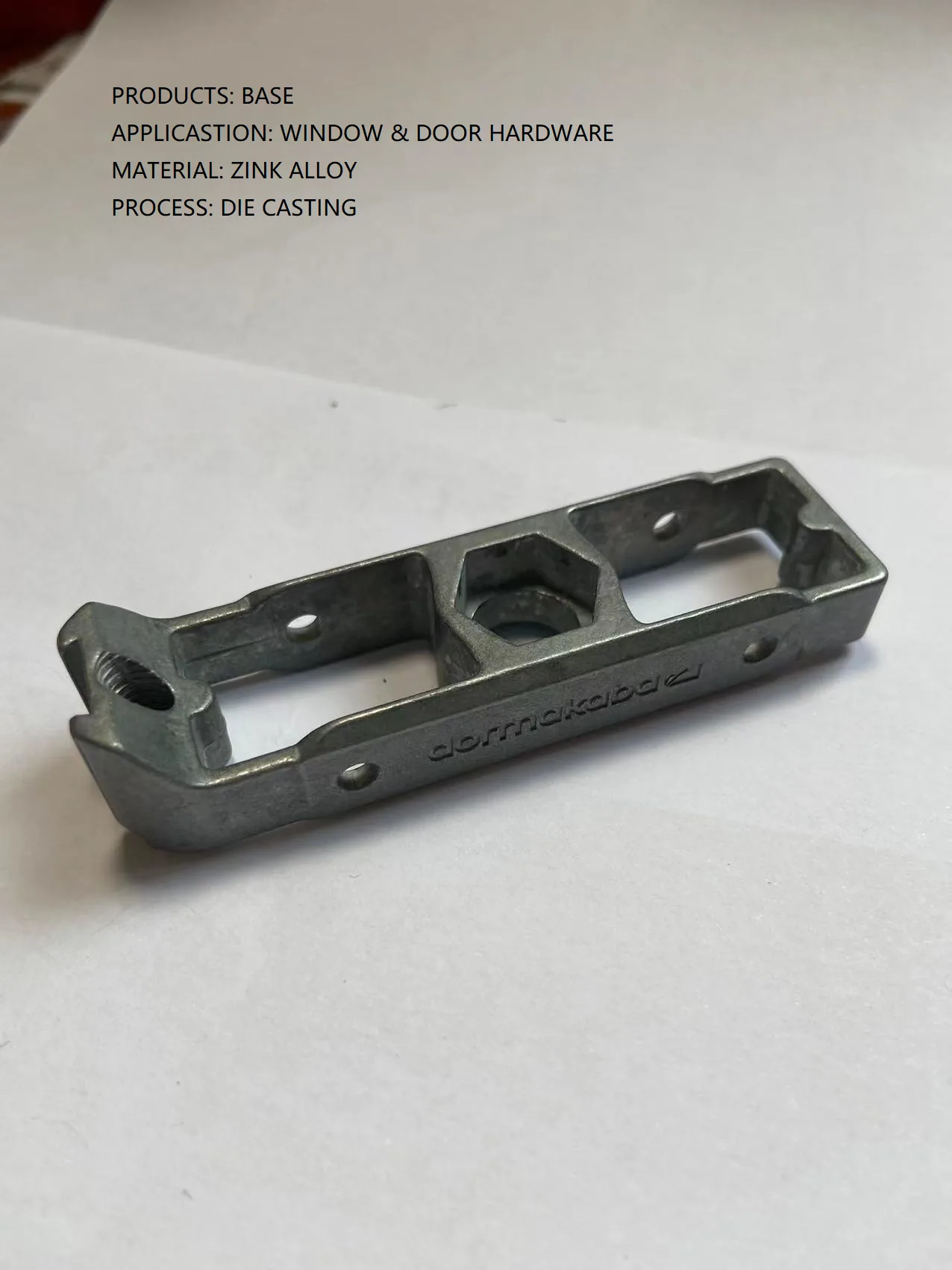
Lead Technical Image
Add a hero-level manufacturing, tooling, or component image that reinforces the article topic above the body copy.
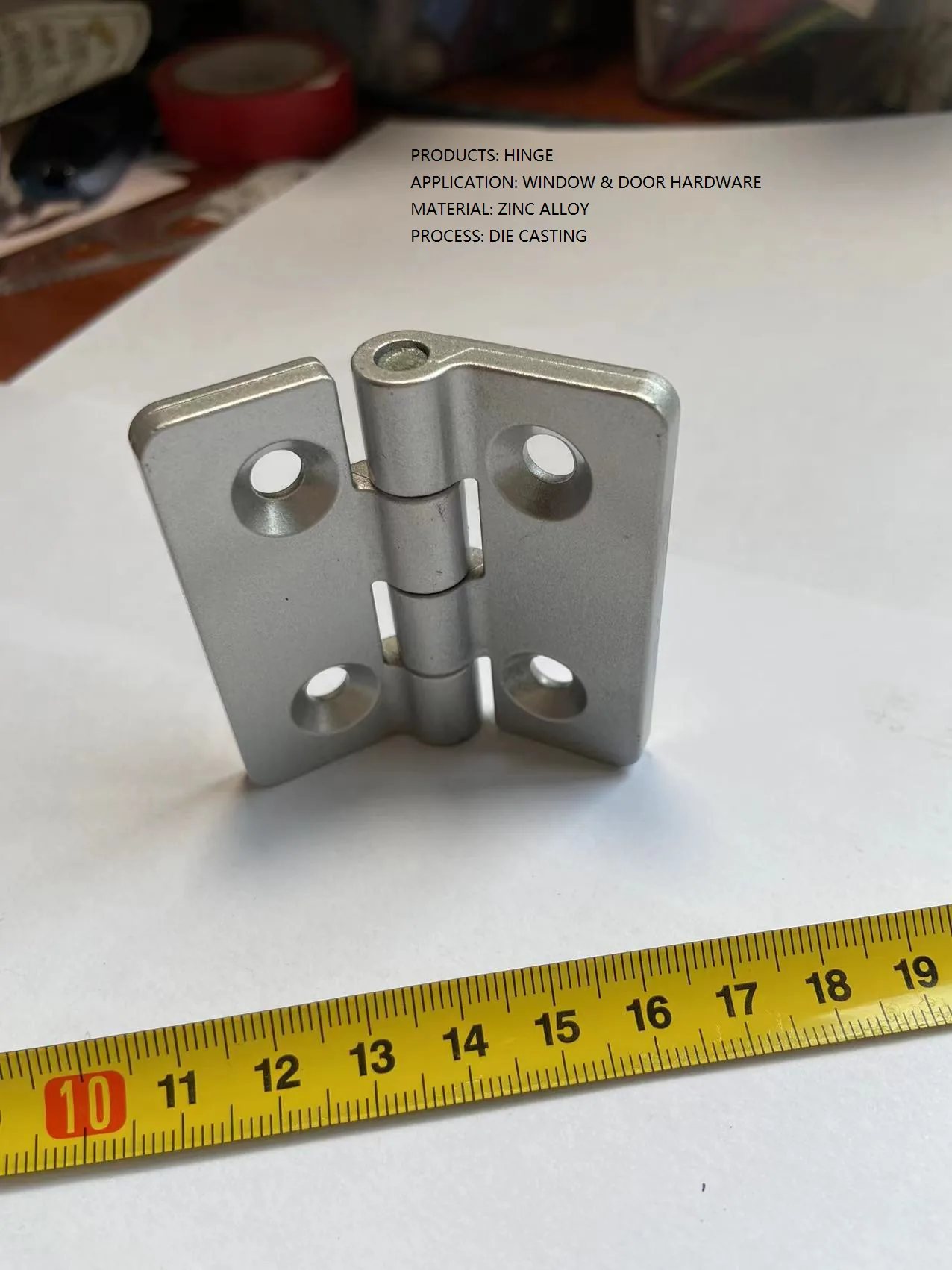
Comparison or Detail Image
Reserve a second image for an alloy comparison, defect example, tooling detail, or application close-up deeper in the article.
Zinc die casting applications are strongest when parts need thin walls, tight detail, smooth surface finish, high dimensional repeatability, and efficient production of small to medium components. Zamak alloys can outperform aluminum in locks, connectors, small mechanisms, decorative hardware, appliance parts, and precision housings.
Aluminum is lighter and often better for larger structural housings. Zinc is often better when the part is compact, detailed, plated, threaded, or dimensionally demanding. The five application families below cover most zinc die casting volume — each with the typical alloy, wall and weight ranges, and one concrete part example — so you can judge fit before sending an RFQ.
Zinc Die Casting Applications at a Glance
| Application family | Why zinc wins | Typical alloy | Typical walls / part weight |
|---|---|---|---|
| Locks, security, and architectural hardware | Cast detail + plating + strength under attack | Zamak 3, Zamak 5 | 1.2–2.5 mm / 30–400 g |
| Automotive sensors and actuators | Thin walls, dimensional stability, EMI shielding | Zamak 3, Zamak 5 | 0.8–2 mm / 20–250 g |
| Electrical connectors and housings | Conductivity, 0.4 mm walls, pin-alignment precision | Zamak 3 | 0.4–1.2 mm / 2–60 g |
| Plumbing and valve components | Pressure tightness, plated corrosion protection | Zamak 3, Zamak 5 | 1.5–3 mm / 60–500 g |
| Appliances and consumer products | Net-shape complexity, as-cast cosmetic surface | Zamak 3 | 1–2.5 mm / 10–300 g |
The ranges follow International Zinc Association design rules (minimum sections roughly 0.5 mm small, 1.0–1.5 mm medium, 1.5–2.0 mm large; most zinc die castings weigh a few grams to about 1 kg). KastMfg's capability extends from 0.4 mm walls (0.3 mm optimized) and 0.005–5 kg per part.
1. Locks, Security, and Architectural Hardware
Hardware is the largest single market for zinc die casting, and the hardest to serve with any other metal.
Why zinc wins:
- Cast-in mechanism detail. Cylinder bores, cam pockets, spring seats, and screw bosses form net-shape in the die, eliminating most machining on a lock case.
- Strength under attack. Zamak 5 delivers 331 MPa tensile and 600 MPa compressive yield strength — the pry and forced-entry resistance a padlock body or mortise lock case must survive.
- Plating substrate. Zamak's as-cast surface (Ra 0.8–1.6 μm) takes decorative chrome and nickel directly — the base for builders' hardware mirror finishes.
- Volume economics. Hot-chamber zinc dies routinely run 300,000–1,000,000+ shots, so tooling amortizes to very little per unit at hardware volumes.
Alloy choice: Zamak 3 for general plated hardware; Zamak 5 for load-bearing lock cases; Zamak 2 (359 MPa, 100 HB) for creep-critical threaded insert housings that must hold preload for years. For a worked example at hardware volumes, see our zinc lock body case study; for grade-by-grade comparison, see the zinc die casting alloys guide.
Example part: A mortise lock case in Zamak 5 — net-cast cylinder bore and latch mechanism pockets, then plated through a qualified finishing partner.
2. Automotive Sensors and Actuators
Automotive suppliers specify zinc for sensor bodies, actuator housings, seat-belt mechanism components, window regulator parts, and lock hardware — anywhere a compact, dimensionally stable, shielded housing is needed at high volume.
Why zinc wins:
- Thin walls with stability. Walls of 0.8–2 mm cast repeatably, and zinc holds sensor bores and mounting interfaces in tolerance over long runs — KastMfg holds CT3–CT5 per ISO 8062 on zinc programs.
- EMI shielding. Zamak's electrical conductivity of 27% IACS gives die-cast housings inherent EMI/RFI shielding; NADCA's product design guidance confirms die casting alloys provide this as a built-in material property. Finished-assembly performance still depends on seams, lids, gaskets, and connector interfaces, so specify effectiveness in dB over your frequency band and verify it on the assembled housing — not from the material alone.
- Right temperature range. Zinc suits under-hood and body positions up to roughly 100°C; above that, strength falls off measurably and ZA alloys or aluminum should be reviewed.
- Automotive-grade process. KastMfg runs documented quality processes aligned with IATF 16949, with shot-by-shot injection monitoring for PPAP support — no certified scope is claimed.
Alloy choice: Zamak 3 for general sensor and actuator housings; Zamak 5 for engine-bay positions and wear-critical mechanism parts.
Example part: A wheel-speed sensor housing in Zamak 3 — thin-wall body with a precision bore for the sensing element, cast mounting threads, and inherent shielding for the signal electronics.
3. Electrical Connectors and Housings
Connector bodies, terminal blocks, relay housings, and small motor frames suit zinc because the part is small, precise, and often plated.
Why zinc wins:
- Conductivity plus shielding. Zamak 3 at 27% IACS provides grounding and EMI shielding that polymer housings only match with conductive coatings.
- The thinnest walls in die casting. Zinc fills walls down to 0.4 mm standard (0.3 mm with optimization) — thinner than any aluminum die casting — enabling connector miniaturization.
- Pin-alignment precision. Fine cast features hold contact positions and mating-face geometry without secondary machining.
- Cast-in threads and inserts. Threaded entries and brass inserts form in the die, cutting assembly cost.
Alloy choice: Zamak 3 is the standard — the best combination of castability, plating quality, and cost for connector-class parts.
Example part: A multi-pole connector housing in Zamak 3 — 0.5 mm walls, cast mounting threads, nickel-plated mating faces, under 30 g.
4. Plumbing and Valve Components
Faucet bodies, angle valves, valve bonnets, and pump fittings are long-established zinc applications. The demands are pressure tightness and corrosion resistance, and zinc serves both — with correct specification.
Why zinc wins:
- Pressure-tight net shape. Zinc's low casting temperature and hot-chamber process control produce dense castings; components can be cast pressure-tight, with vacuum impregnation added where the leak specification demands it. Pressure capability depends on wall design, porosity, and seals — validate against the application's test standard rather than assuming it from the alloy.
- Plated corrosion protection. Decorative chrome and nickel stacks over a copper undercoat protect Zamak in wet environments. Published typical performance for copper-nickel-chrome on Zamak runs 96–240 hours in neutral salt spray (ASTM B117); the plating stack, not the alloy, sets the result, so specify exposure hours and the failure criterion (blistering, base-metal corrosion) for your program.
- Clean machining of sealing surfaces. Seats, threads, and O-ring grooves machine cleanly after casting.
Alloy choice: Zamak 3 for general plated fittings; Zamak 5 for sustained loads or higher pressure duty. Confirm potable-water or gas approvals for the finished, plated part against the destination market's standards.
Example part: An angle valve body in Zamak 3 — net-cast flow path and thread bosses, machined seat, chrome-plated exterior, pressure-tested to the customer's specification.
5. Appliances and Consumer Products
Appliance handles, knobs, hinges, gearbox housings, and consumer hardware use zinc for its surface quality and its ability to consolidate several functions into one net-shape part.
Why zinc wins:
- As-cast cosmetic surface. The as-cast finish (Ra 0.8–1.6 μm) accepts plating, paint, or powder coat with minimal preparation — the chrome oven knob or washer door handle is a zinc part for this reason.
- Complex net shapes. Gears, spring seats, hinge pivots, and snap features integrate into a single casting, replacing stamped-and-assembled component stacks.
- Specified heft. At 6.60 g/cm³, zinc gives small consumer parts a solid, quality feel.
- Cost at volume. 5–15 second hot-chamber cycle times keep zinc competitive at consumer-product volumes.
Alloy choice: Zamak 3 for the vast majority of appliance and consumer parts — it plates best, casts the finest detail, and costs least.
Example part: A range control knob in Zamak 3 — net-cast splined hub, D-shaped grip, and indicator mark, chrome-plated, assembled directly onto the control shaft.
Alloy Selection for These Applications
| Alloy | Position | Reach for it when |
|---|---|---|
| Zamak 3 | The default (283 MPa, 10% elongation, 82 HB) | Plated decorative parts, general hardware, connectors, consumer products |
| Zamak 5 | +17% tensile, +45% compressive yield vs. Zamak 3 (331 MPa, 91 HB) | Lock cases, seat hardware, loaded mechanisms, creep-sensitive joints |
| Zamak 2 | Strongest and hardest Zamak (359 MPa, 100 HB), best creep resistance | Sustained clamping loads, threaded insert housings — accept its long-term aging behavior |
| Zamak 3 vs Zamak 5 | Side-by-side decision guide | You are split between the two workhorse alloys |
Zamak 3 and Zamak 5 run on identical tooling and machine settings, so switching alloys mid-program changes only the material specification.
Choose Zinc If / Choose Aluminum If
Choose zinc if:
- Walls are below ~2 mm or the design has fine cast detail
- The part will be chrome-, nickel-, or otherwise plated
- Tight dimensional repeatability (CT3–CT5) is required over high volume
- The part carries cast threads, inserts, or mechanism detail
- Part weight is acceptable — zinc is 2.4x denser than aluminum
- Tooling economy matters: 300,000–1,000,000+ shot die life amortizes tooling far below aluminum
Choose aluminum if:
- Weight is a primary driver, especially on larger parts
- Operating temperature routinely exceeds ~100°C
- Strength-to-weight ratio dominates the specification
- The part is a large structural housing rather than a compact precision component
Design Rules for Zinc Parts
Buyers and engineers should review:
- Minimum wall thickness against flow distance (0.5 mm is realistic near the gate on small parts)
- Draft angle and parting line
- Plating or coating allowance — buildup moves dimensions, threads, and assembly fit
- Threaded hole strategy (cast threads vs. machined vs. inserts)
- Ejector mark locations on cosmetic surfaces
- Pressure-tightness or leak-test requirements, and whether impregnation is needed
- Shielding effectiveness targets for electronic housings, verified on the assembly
- Wear points in moving mechanisms
Zinc is excellent for detail, but the design still needs proper draft, radii, and tooling access.
Surface Finishing Options
Zinc die castings often use finishing as part of the value proposition:
- Nickel plating
- Chrome plating (decorative copper-nickel-chrome stacks)
- Black zinc or decorative plating
- Powder coating and painting
- Tumbling and polishing
- Passivation or lacquer for bare-metal appearance
The finish should be selected before tooling. KastMfg manages plating and coating through qualified finishing partners; corrosion-test hours, plating thickness, and cosmetic standards are agreed per project and confirmed on production-representative samples.
Buyer RFQ Checklist
Send the supplier:
- 3D model and 2D drawing
- Required zinc alloy or performance requirement (load, wear, creep, temperature)
- Surface finish, plating stack, and cosmetic standard
- Annual volume
- Assembly parts and mating components
- Thread and insert requirements
- Pressure-tightness, leak-test, or salt-spray requirement if applicable
- EMI shielding target in dB and frequency band for electronic housings
- Packaging requirement for plated surfaces
Next step: if your part matches one of the families above, the fastest route to a firm answer is a DFM review of your actual geometry. KastMfg reviews drawings and 3D models at no charge and quotes tooling and parts per project — send your design to casting@kastdiecast.com with the application family stated, so the review covers the right alloy, finish, and validation tests from the start.
FAQ
What are the most common zinc die casting applications?
Lock bodies and security hardware, automotive sensor and actuator housings, electrical connectors and housings, plumbing and valve components, appliance handles and knobs, and decorative consumer hardware.
When is zinc better than aluminum die casting?
Zinc is often better for compact parts that need thin walls (0.4–2 mm), fine detail, smooth as-cast finish, decorative plating, cast-in threads or inserts, and tight dimensional repeatability at high volume. Aluminum wins when weight, operating temperatures above ~100°C, or large structural size dominate.
Is Zamak 3 or Zamak 5 better?
Zamak 3 is the general-purpose alloy with higher ductility (10% elongation) and the best plating economy. Zamak 5 adds 17% tensile and 45% compressive yield strength for load-bearing hardware, lock cases, and creep-sensitive joints.
Do zinc die castings really provide EMI shielding?
Yes — Zamak's 27% IACS conductivity gives die-cast housings inherent EMI/RFI shielding, which is why zinc is specified for automotive sensor housings and connector bodies. Assembly-level performance depends on seams, lids, gaskets, and connectors, so specify effectiveness in dB over a frequency band and verify it on the finished enclosure.
Can zinc die castings be pressure-tight?
Yes. Zinc castings can be produced pressure-tight through controlled process parameters, with vacuum impregnation available for demanding leak specifications. Capability is design- and process-dependent, so it is validated against the application's pressure and leak-test standard on production parts.
Can zinc die castings be plated?
Yes. Zinc die castings are widely used for plated decorative and functional parts, and Zamak 3 is the industry's preferred plating substrate. Define the stack, thickness, salt-spray hours, and cosmetic standard before tooling and dimensional approval.
Related
About The Author
Mike Yao on zinc die casting applications
Technical Director, Die Casting Engineering
Technical Director at KastMfg with 20+ years in high-pressure die casting, leading engineering and program management across aluminum, zinc, and magnesium programs for automotive, EV, electronics, and medical OEMs worldwide.
View author profileRelated Reading
Keep exploring the blog
Aluminum vs Zinc Die Casting - How to Choose
Aluminum vs Zinc Die Casting — Choosing the Right Material for Your Part Aluminum and zinc are the two dominant die casting metals globally, together accounting for over 90% of...
Mike Yao
5 min read
Can Steel Be Die Cast? Why Conventional HPDC Says No
Can Steel Be Die Cast? Why Conventional HPDC Says No No - steel cannot be made by conventional high-pressure die casting. The commercial process is limited to zinc, magnesium an...
Mike Yao
6 min read
Threaded Holes in Die Cast Aluminum: Guide
Threaded Holes in Die Cast Aluminum: Guide Ask a machining forum whether threads can be tapped straight into die cast aluminum and the answers split into two camps. One calls it...
Mike Yao
12 min read
Die Casting vs Permanent Mold Casting: Which to Choose?
Die Casting vs Permanent Mold Casting: How to Choose Die casting and permanent mold casting are both metal mold processes - both use reusable steel or iron dies rather than expe...
Mike Yao
8 min read