Chrome Plating on Die Cast Zinc vs Aluminum Parts
Chrome plating on die castings: why Zamak zinc plates beautifully, why aluminum needs zincate pretreatment, decorative vs hard chrome, and how porosity causes blisters.

Technical Director, Die Casting Engineering
Blog Visual Plan
Article visuals for chrome plating aluminum
These visuals use your current KastMfg image library now, and they will automatically switch to article-specific images when you add them later.
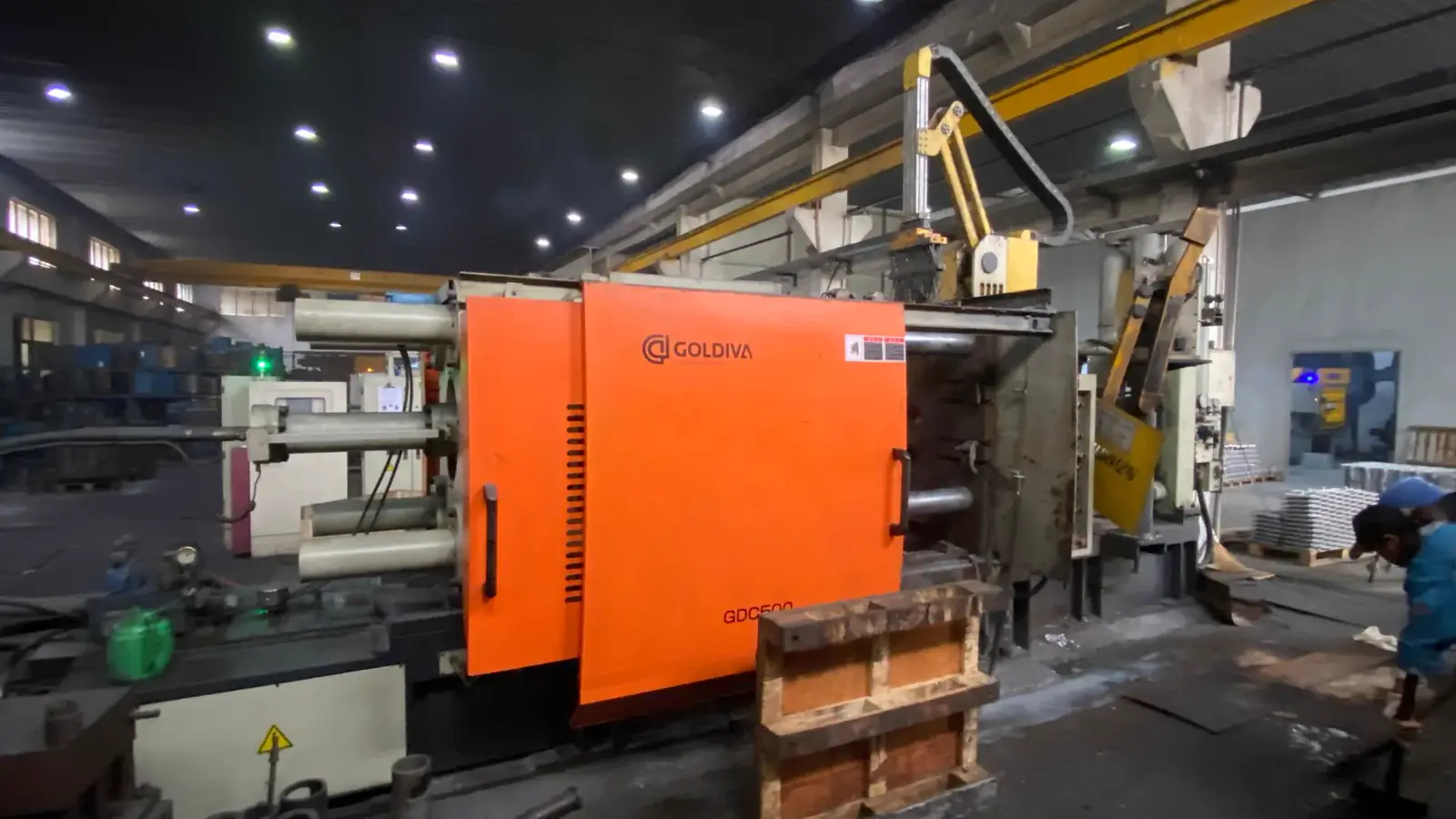
Lead Technical Image
Add a hero-level manufacturing, tooling, or component image that reinforces the article topic above the body copy.
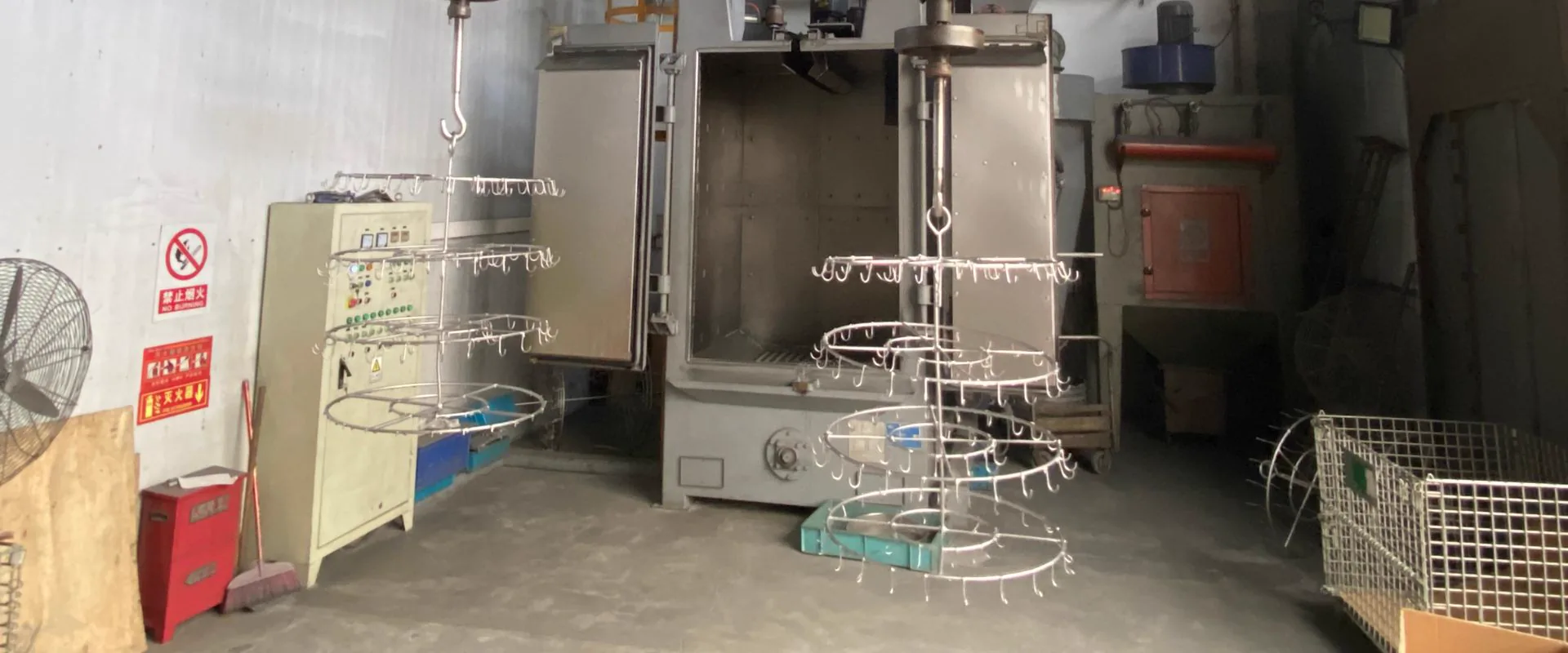
Comparison or Detail Image
Reserve a second image for an alloy comparison, defect example, tooling detail, or application close-up deeper in the article.
Few finishes transform a part the way bright chrome does. But chrome plating on die cast parts has two very different stories. Zamak zinc die castings are chrome's best friends in the casting world - they take a mirror finish that lasts for years. Chrome plating aluminum, by contrast, is a fight: the metal grows a dense oxide film in seconds, and high-silicon die cast alloys add particles that refuse to cooperate.
This guide explains why zinc and aluminum behave so differently, what the standard process stacks look like, where chrome plating fails on castings, and what to do when it keeps failing.
Chrome Plating Zinc Die Castings (Zamak)
Chrome plating zinc die castings works reliably because of three things. Zinc is conductive, so the part carries current from the first second. A well-cast Zamak surface is dense and fine-grained, which gives the plating a smooth foundation. And zinc's oxide, while real, is nowhere near as stubborn as aluminum's - it yields to standard activation.
That is why decorative Zamak hardware, faucet bodies, and automotive trim have been chrome plated for decades. The standard stack is a three-layer Cu-Ni-Cr system:
| Layer | Typical thickness | Job |
|---|---|---|
| Alkaline copper strike | ~1-5 um | Deposited directly on activated zinc; isolates the zinc from the acidic nickel baths behind it |
| Nickel (semi-bright + bright) | ~8-25 um total; 15-25 um for demanding decorative parts | Carries the corrosion protection; semi-bright layer under bright nickel slows corrosion reaching the base |
| Decorative chrome | 0.2-1.0 um | Color, tarnish resistance, and surface hardness - a whisper-thin optical layer on top of the nickel |
Total Cu-Ni-Cr buildup is roughly 20-35 um. Note where the protection actually lives: the nickel does the anti-corrosion work, and the chrome is there for looks and tarnish resistance.
One warning: do not let anyone plate nickel or chrome directly onto zinc. Zinc is chemically active, and the pretreatment and plating baths will attack it, giving you adhesion failures even when the part looks fine on day one. The copper strike exists precisely to separate zinc from what comes next.
Alloy choice within the Zamak family matters at the margins; see Zamak 3, Zamak 5, and the Zamak 3 vs Zamak 5 comparison.
Chrome Plating Aluminum: The Zincate Problem
Aluminum is the opposite personality. Expose it to air - or to any aqueous bath - and it grows an oxide film almost instantly. The film is dense, thin, and electrically insulating. If you try to plate through it, the coating lands on top of the oxide instead of bonding to the metal. The result peels, blisters, or wipes off.
The industry's answer is zincate: a controlled chemical dip that deposits a thin, adherent layer of metallic zinc onto the aluminum surface, giving the plating something it can actually grab. The standard pretreatment sequence is:
- Clean - remove oils, release agents, and shop grime
- Controlled etch - microscopically roughen and activate the surface
- Desmut - dissolve the copper, silicon, and iron residues the etch leaves behind
- Zincate - usually a double zincate: a first immersion, strip it off, then a second, shorter dip of roughly 10-15 seconds; total soak time runs 30 seconds to 2 minutes
- Rapid transfer - straight into a copper strike or an electroless nickel strike before the zincate layer degrades
High-silicon die cast aluminum makes every step harder. A380 and ADC12 carry roughly 8-12% silicon, and silicon particles resist conventional acid etching - which is why these alloys need a fluoride-containing desmut. Even after etching, the surface is chemically uneven: aluminum matrix, silicon particles, intermetallic compounds, and pores side by side. Zincate deposits unevenly on that patchwork, and the plating inherits the problem as local adhesion loss, pitting, and pinholes.
The three classic failure modes on die cast aluminum are adhesion loss, pitting, and blistering. Blistering has a specific, preventable cause - the next section.
Decorative vs Hard Chrome
"Chrome plating" covers two processes with almost nothing in common except the element:
| Decorative chrome | Hard chrome (industrial chrome) | |
|---|---|---|
| Thickness | 0.1-1.0 um (commonly 0.2-0.8 um) | 5-50 um and beyond |
| Purpose | Appearance - the bright, bluish-white mirror | Wear resistance, low friction, dimensional repair |
| Substrate | Always over a nickel layer on zinc or aluminum | Deposited on the functional surface itself |
| Look | Bright and reflective | Slightly duller; usually ground or polished after plating |
For die cast buyers, the decorative stack is almost always the relevant one. When people say hard chrome plating aluminum, they usually mean building up a worn or undersized surface - a shaft, a bore, a wear face - and that is a machining-adjacent repair process, not a cosmetic finish.
Important: hard chrome cannot rescue a bad substrate. If zincate adhesion is poor, a 25 um hard chrome layer will lift off just as happily as 0.5 um of decorative chrome. Thickness buys wear life, not bond strength.
Porosity, Pinholes, and Blisters
Blisters are the signature defect of chrome plated castings, and the mechanism is worth understanding because it points at the fix.
Die castings contain subsurface pores - tiny voids just under the skin. Pretreatment acids, zincate solutions, and rinse water wick into these pores during processing. Later, when the plated part sees heat (bake cycles, service temperature, even hot rinse water), the trapped liquid flashes to vapor or the trapped gas expands, and the pressure pushes the plating up off the surface as a blister. The chrome itself is not at fault; the void underneath it is.
Controls, in order of leverage:
- Fix it in the casting. Proper gating, venting, and solidification control keep pores deep and small instead of shallow and big. This is the only true cure.
- Pre-bake as a diagnostic. Baking parts before plating and watching for weeping or staining exposes porosity-prone lots. It screens; it does not repair.
- Seal the pores. Vacuum or pressure impregnation fills surface-connected porosity with resin before any finishing starts - see die casting impregnation. On leak-tight or cosmetic-critical parts this is standard practice.
- Screen incoming castings. Agree porosity acceptance criteria with your die caster before the finishing line ever sees the part.
None of these replaces casting quality. Pre-bake diagnoses, impregnation seals, and good plating hides - but only good casting prevents.
Hexavalent vs Trivalent Chrome
Decorative chrome baths come in two chemistries. Hexavalent chrome (Cr(VI)) is the classic process: brighter, bluer-white, mature, and tightly regulated. RoHS limits hexavalent chromium to 0.1% by weight in homogeneous materials, and REACH lists multiple Cr(VI) compounds as SVHCs requiring authorization - so any part sold into the EU or into RoHS-controlled supply chains needs a clear answer on which bath was used.
Trivalent chrome (Cr(III)) is the compliant route. Historically it came out slightly darker and grayer than hexavalent; modern trivalent systems have closed most of that gap, and for the majority of decorative applications the difference is no longer a reason to risk non-compliance.
Practical guidance: for new programs, specify trivalent. If a drawing calls out hexavalent decorative chrome on a consumer part, ask why before releasing it.
When Chrome Fails on Aluminum - Alternatives
If decorative chrome on your aluminum die casting keeps blistering or showing pinholes after honest process work, the smartest move is often to stop fighting. Alternatives that behave much better on die cast aluminum:
- Electroless nickel - uniform, corrosion-resistant, and far more forgiving on complex cast surfaces; no zincate gymnastics required
- Powder coating - the workhorse for cosmetic aluminum castings; tolerant of alloy chemistry and moderate porosity
- PVD coatings (TiN, Cr-based) - real metallic-look thin-film options, but they need a smooth, sealed substrate, so casting quality still rules
- Change the process, not the finish - if chrome is non-negotiable, move the part to machined or forged aluminum, which plate dramatically more reliably than any die casting
For context on how these fit together, see e-coating and the full die casting surface finishing guide.
Frequently Asked Questions
Can you chrome plate die cast aluminum?
Yes - with zincate pretreatment, either double zincate plus copper strike or electroless nickel strike. Success depends heavily on the alloy: lower-silicon aluminum responds far better than A380 or ADC12, and any high-silicon part should be sample-plated before you commit a program.
Why does chrome blister on castings?
Subsurface porosity. Pretreatment liquids and gas trapped in pores expand during plating or heating and push the coating off the surface. The fix is casting-quality control, pre-bake screening, or impregnation to seal the pores - not a different chrome bath.
Is chrome plating RoHS compliant?
It depends on the bath chemistry. Hexavalent chrome fails RoHS (0.1% w/w limit in homogeneous materials) and triggers REACH SVHC obligations; trivalent chrome complies. Specify trivalent for any RoHS or EU-bound part.
How thick is decorative chrome?
Much thinner than people expect: 0.1-1.0 um, commonly 0.2-0.8 um, over a nickel layer that carries the real corrosion load. The total Cu-Ni-Cr stack on a plated die casting is roughly 20-35 um.
Zamak vs aluminum - which is better for chrome?
For decorative chrome, Zamak wins decisively: it plates reliably with a standard copper-nickel-chrome stack and is the industry default for chrome-finished cast hardware. Aluminum is viable but carries zincate risk, higher cost, and much higher porosity sensitivity.
Does hard chrome plating fix casting defects?
No. Hard chrome adds wear resistance and build-up to a sound surface, but it bonds no better than decorative chrome. If the substrate has weak adhesion or subsurface porosity, thick chrome will blister and peel just the same.
Related Reading
- die casting plating services - KastMfg plating capability for zinc and aluminum castings
- die casting surface finishing guide - every finish option on one page
- e-coating for die cast parts - the compliant alternative for corrosion protection
- Zamak 3 vs Zamak 5 - choosing the zinc alloy before you choose the finish
- die casting impregnation - sealing porosity before plating
Need plated die cast parts? Send the drawing to casting@kastdiecast.com - we will tell you honestly whether your alloy and geometry will plate | +86 138 1403 4409 | No.6, Rungu Road, Nanjing, China
About The Author
Mike Yao on chrome plating aluminum
Technical Director, Die Casting Engineering
Technical Director at KastMfg with 20+ years in high-pressure die casting, leading engineering and program management across aluminum, zinc, and magnesium programs for automotive, EV, electronics, and medical OEMs worldwide.
View author profileRelated Reading
Keep exploring the blog
Threaded Holes in Die Cast Aluminum: Guide
Threaded Holes in Die Cast Aluminum: Guide Ask a machining forum whether threads can be tapped straight into die cast aluminum and the answers split into two camps. One calls it...
Mike Yao
12 min read
Can Steel Be Die Cast? Why Conventional HPDC Says No
Can Steel Be Die Cast? Why Conventional HPDC Says No No - steel cannot be made by conventional high-pressure die casting. The commercial process is limited to zinc, magnesium an...
Mike Yao
6 min read
Aluminum vs Zinc Die Casting - How to Choose
Aluminum vs Zinc Die Casting — Choosing the Right Material for Your Part Aluminum and zinc are the two dominant die casting metals globally, together accounting for over 90% of...
Mike Yao
5 min read
As-Cast Surface Finish: What Die Castings Really Look Like
As-Cast Surface Finish: What Die Castings Really Look Like "As-cast" is the surface a die casting carries the moment it leaves the die and the trim press - no blasting, polishin...
Mike Yao
8 min read