Heat Sink Types and Materials - Selection Guide for Engineers
The main heat sink types (extruded, stamped, skived, bonded-fin, folded-fin, cold-forged, die cast, CNC machined) compared by geometry freedom, volume economics and thermal conductivity, plus copper vs aluminum heat sink materials and when die cast heat sinks win.

Technical Director, Die Casting Engineering
Blog Visual Plan
Article visuals for heat sink types
These visuals use your current KastMfg image library now, and they will automatically switch to article-specific images when you add them later.
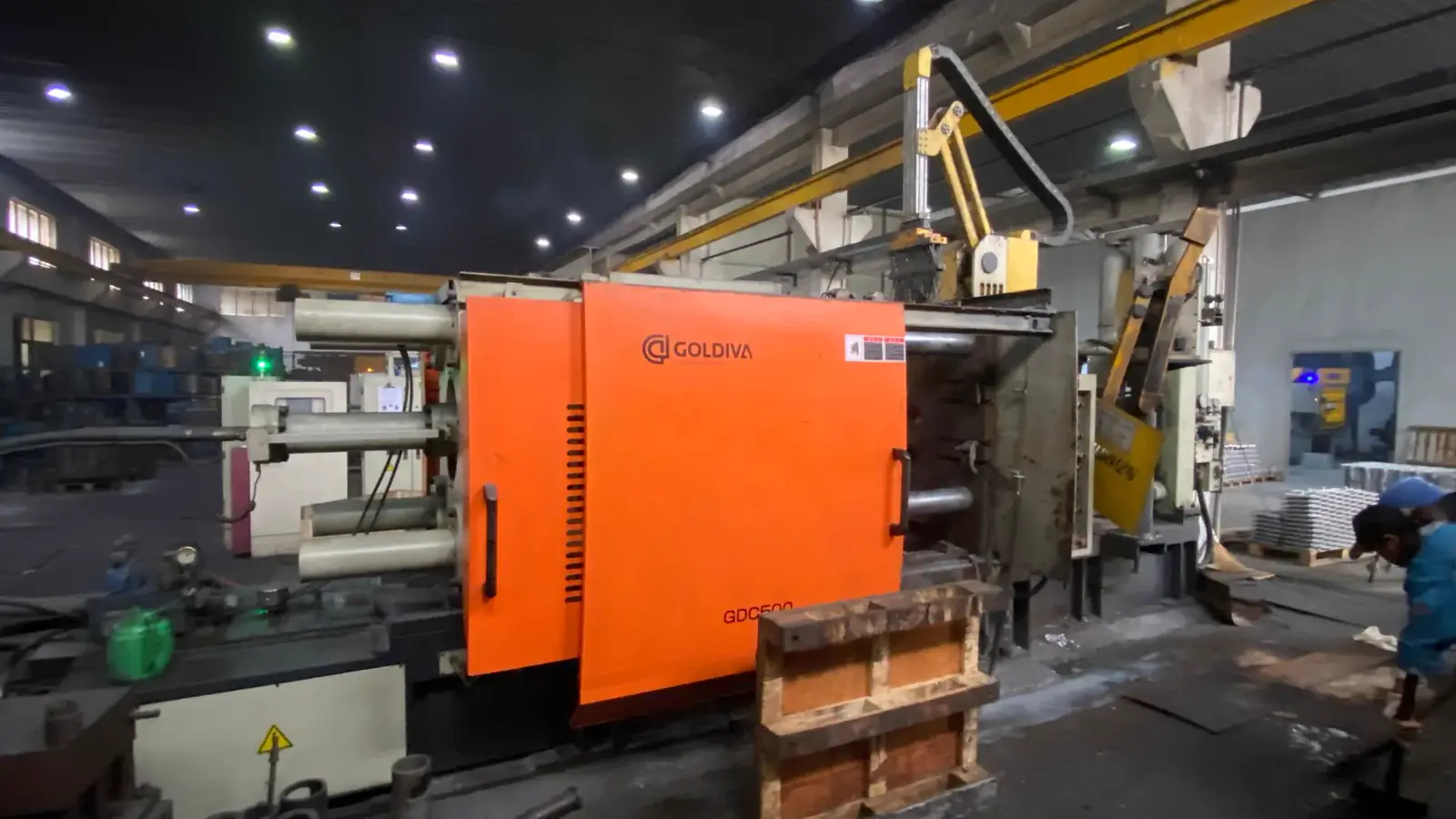
Lead Technical Image
Add a hero-level manufacturing, tooling, or component image that reinforces the article topic above the body copy.
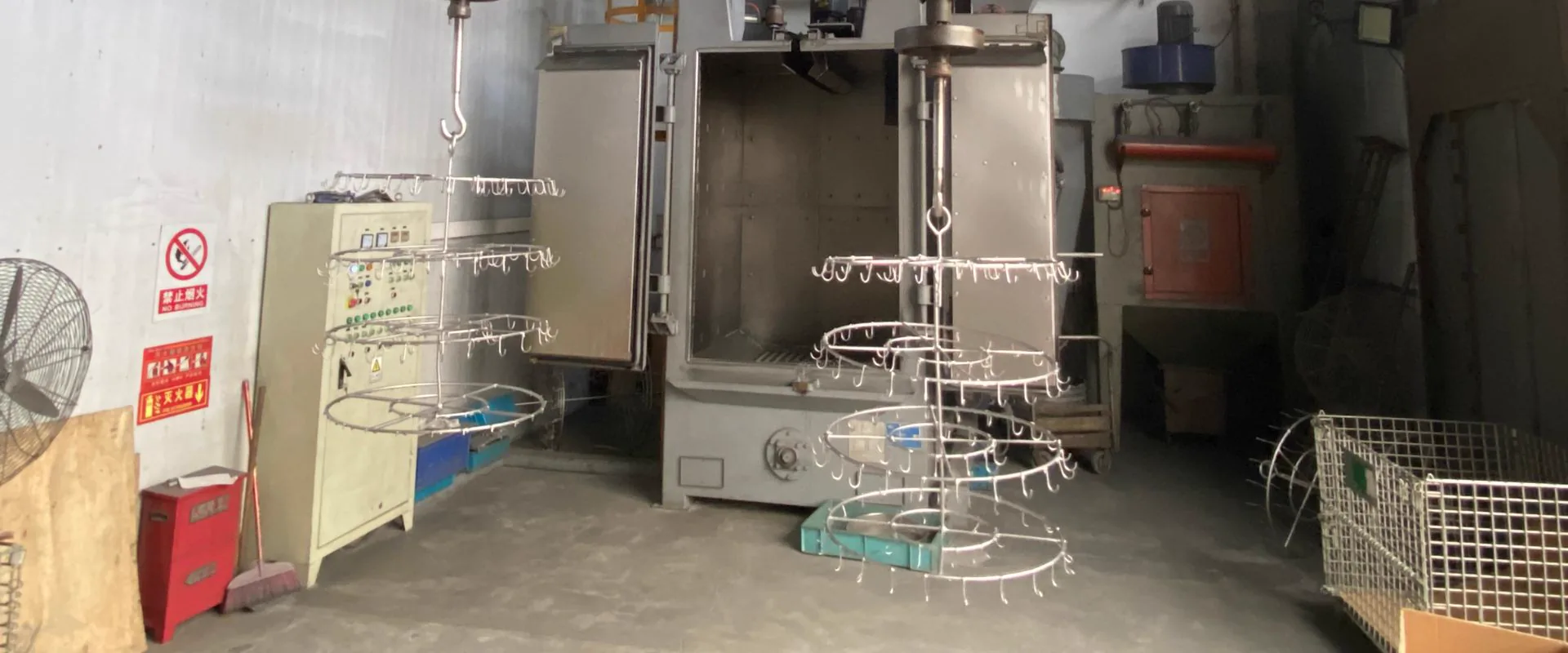
Comparison or Detail Image
Reserve a second image for an alloy comparison, defect example, tooling detail, or application close-up deeper in the article.
A heat sink moves heat out of a component and into the surrounding air. It works in two steps: conduction carries heat from the device through the heat sink body, and convection dumps it from the fins into the airflow. Choosing between heat sink types is a thermal-performance-per-dollar decision - every type trades conductivity, geometry freedom, and unit cost.
This guide covers the main heat sink types, the standard material options, and an honest look at where each wins. We are a die caster - weigh that section accordingly.
Heat Sink Types by Manufacturing Method
Every heat sink is built one of eight ways, differing in shape possibilities, cost at volume, and failure modes:
| Type | How it's made | Geometry freedom | Best volume band | Watch-outs |
|---|---|---|---|---|
| Extruded | Aluminum pushed through a profile die | Low - straight fins only | High volume; cheapest per unit for profiles | Fin thickness and gap limits; no 3D features or bosses |
| Stamped / sheet metal | Fins stamped from sheet and attached to a base | Low | Medium-high volume | Thin material; the fin-to-base joint adds thermal resistance |
| Skived | Fins sliced and raised from a solid block | Medium; very thin, dense fins | Low-medium volume | Block cost and material waste; slow per part |
| Bonded-fin | Pre-made fins bonded into a base plate | High fin height | Low-medium volume | Bond line adds resistance unless brazed or soldered |
| Folded-fin | Sheet folded into fins, clamped or bonded to a base | High surface area | Medium volume | Same joint-resistance issue as bonded-fin |
| Cold-forged (pin fin) | Pins forged from a solid slug | Pin fins with high aspect ratio; aluminum or copper | Medium-high volume | New tooling per geometry; shape set is limited to pins |
| Die cast | Molten aluminum or zinc injected into a steel die | Highest - 3D fins, mounting bosses, and housing features in one part | Medium-high volume; tooling amortized | Cast alloys carry roughly half the conductivity of extruded 6063; porosity |
| CNC machined | Cut from solid billet or block | High; anything the tool can reach | Prototypes and very low volume | Expensive per part; slow; material waste |
Read this table by elimination. Straight-fin profiles at high volume are extrusion's territory, and nothing else comes close on cost. Dense thin fins point to skiving. A heat sink that is also the enclosure points to die casting. And low-volume or prototype work points to skived, bonded-fin, or CNC.
Heat Sink Materials: Copper vs Aluminum
Type and material are separate decisions. Here is how the common heat sink material options compare at room temperature (nominal values):
| Material | Thermal conductivity (W/m·K) | What it means |
|---|---|---|
| Copper C11000 | ~385-400 (commonly ~398) | The best bulk conductor on the table; heavy and costly per kilogram |
| Pure aluminum | ~237 | The benchmark for conductivity per dollar and per gram |
| 6063 (extrusion alloy) | ~200 | The standard alloy for extruded heat sink profiles |
| 6061-T6 | ~167 | Structural aluminum; common in machined heat sinks |
| A380 (die cast aluminum) | ~96-105 | The workhorse cast alloy; conductivity is roughly half of 6063 |
| ADC12 (die cast aluminum) | ~92-105 (conservative ~92-96) | Asian equivalent of A380; similar conductivity band |
| Zamak (zinc die casting) | ~105-113 | Slightly above the aluminum cast alloys, with zinc's casting economics |
The best material for a heat sink depends on the job. Copper conducts ~1.7x better than even pure aluminum, but at 8.96 g/cm³ versus 2.70 g/cm³ it weighs ~3.3x more at equal volume and costs more per kilogram - so aluminum wins most cost- and weight-driven designs. Copper pays in the base plate, where spreading heat sideways from a concentrated die is a pure conductivity race; it rarely pays in the fins, where fin efficiency falls along the fin length and added conductivity buys less than its weight and cost. In practice: copper bases, aluminum fins.
Where Die Cast Heat Sinks Fit
An honest assessment, not a sales pitch.
Where they win. No other process puts fins, mounting bosses, spring-clip pockets, connector windows, and the housing wall in one part. If the enclosure does the cooling, casting them together removes assembly steps, fasteners, and a thermal interface joint. Economics favor medium-high volume, where the steel die amortizes across thousands of parts; zinc alloys add conductivity comparable to the aluminum cast alloys, with thinner walls and finer detail.
Where they do not. A380 and ADC12 run ~96-105 W/m·K - roughly half of extruded 6063. Fins need draft to release from the die, so die casting cannot match skived thinness or spacing. And gas porosity is inherent to high-pressure casting; good foundries control it, but a cast base never matches a skived or forged base on pure conductivity.
The rule of thumb. If the part is also a housing with mounting features and volume is in the thousands or more, die casting is usually the lowest total cost. If you need maximum fin density in a small straight-fin profile, extrusion or skiving wins. See our die cast heat sink guide and the heat sink housings product family.
Heat Sink Design Basics That Matter More Than Type
Before upgrading material or process, get these heat sink design fundamentals right:
- Surface area and airflow beat exotic materials. Doubling fin area or air velocity usually outperforms switching to copper, at a fraction of the cost.
- Match fin orientation to convection. With natural convection, vertical fins aligned with rising air beat horizontal ones.
- Do not neglect the interface. Good thermal interface material and proper mounting pressure beat an expensive heat sink bolted down dry.
- Spread first, dissipate second. A small die on a large plate needs the base to spread heat - a material and thickness question, not a fin question.
Frequently Asked Questions
What are the different types of heat sinks?
Eight by manufacturing method: extruded, stamped (sheet metal), skived, bonded-fin, folded-fin, cold-forged (pin fin), die cast, and CNC machined. They are also classed as passive (natural convection only) or active (a fan on the fins). Pick the method by geometry and volume; pick passive vs active by heat flux and noise limits.
What is the best material for a heat sink?
Copper C11000 (~398 W/m·K) for maximum conductivity; aluminum for everything else. Pure aluminum conducts ~237 W/m·K, extruded 6063 reaches ~200, and die cast A380/ADC12 sit around ~92-105. Copper weighs ~3.3x more and costs more per kilogram, so aluminum is the default.
Is copper or aluminum better for a heat sink?
Copper conducts better - ~398 versus ~237 W/m·K - but aluminum is the better default: ~3.3x lighter at equal volume and cheaper per kilogram. Copper earns its keep in heat spreader bases and tight spaces; aluminum wins fins, enclosures, and anything where weight or cost matters.
Are die cast heat sinks any good?
Yes, with caveats. Die cast aluminum alloys conduct ~96-105 W/m·K - roughly half of extruded 6063 - so they lose a pure conductivity contest. What they win is integration: fins, bosses, clips, and housing in one part at low unit cost once tooling amortizes. When the heat sink is also the enclosure, die casting is often the cheapest total cost.
What is a skived heat sink?
One where fins are sliced from a solid block of aluminum or copper and bent upright in the same operation - no separate fin-to-base joint. Fins run ~0.2-0.5 mm thick at higher density than extrusion allows, which suits dense, thin-fin designs at low-to-medium volume.
Why are most heat sinks made of aluminum?
Conductivity per dollar and per gram. Pure aluminum runs ~237 W/m·K - about 60% of copper - at 2.70 g/cm³ versus copper's 8.96, and costs less per kilogram. Doubling fin area in aluminum usually beats paying for copper, and less weight matters in anything that ships or mounts.
Related Reading
- aluminum die casting heat sink - die cast heat sink deep dive
- heat sink housings - KastMfg die cast heat sink product family
- aluminum die casting for electronics - enclosure and EMI applications
- melting point of aluminum - material data reference
- die casting DFM guide - designing cast fins, draft, and wall thickness
Need a heat sink that is also a housing? Send your thermal requirements and drawing to casting@kastdiecast.com - we will advise whether die casting fits and quote tooling | +86 138 1403 4409 | No.6, Rungu Road, Nanjing, China
About The Author
Mike Yao on heat sink types
Technical Director, Die Casting Engineering
Technical Director at KastMfg with 20+ years in high-pressure die casting, leading engineering and program management across aluminum, zinc, and magnesium programs for automotive, EV, electronics, and medical OEMs worldwide.
View author profileRelated Reading
Keep exploring the blog
Thermal Conductivity of Aluminum: Alloy Chart
Thermal Conductivity of Aluminum: Alloy Chart The thermal conductivity of aluminum is approximately 237 W/m·K for the pure metal - and almost nothing ships as pure aluminum. The...
Mike Yao
7 min read
Aluminum Die Casting Heat Sinks: Design & Alloys
Aluminum Die Casting for Heat Sinks: Design Rules, Alloys and Fin Geometry An aluminum die casting heat sink is a cast aluminum component that transfers heat away from electroni...
Mike Yao
11 min read
Threaded Holes in Die Cast Aluminum: Guide
Threaded Holes in Die Cast Aluminum: Guide Ask a machining forum whether threads can be tapped straight into die cast aluminum and the answers split into two camps. One calls it...
Mike Yao
12 min read
Specific Heat of Aluminum: Values and Alloy Chart
Specific Heat of Aluminum: Values and Alloy Chart The specific heat of aluminum is approximately 0.90 J/g·K - 900 J/kg·K in the units many datasheets prefer. From there the hone...
Mike Yao
5 min read