Thermal Conductivity of Aluminum: Alloy Chart
Thermal conductivity of aluminum: ~237 W/m·K for the pure metal but 96-210 across real alloys - chart for 6061, 6063, A380, ADC12, A360, A413, A356, Zamak and AZ91D, why high-silicon die casting alloys conduct less, and the die cast vs extruded heat sink trade-off.

Technical Director, Die Casting Engineering
Blog Visual Plan
Article visuals for thermal conductivity of aluminum
These visuals use your current KastMfg image library now, and they will automatically switch to article-specific images when you add them later.
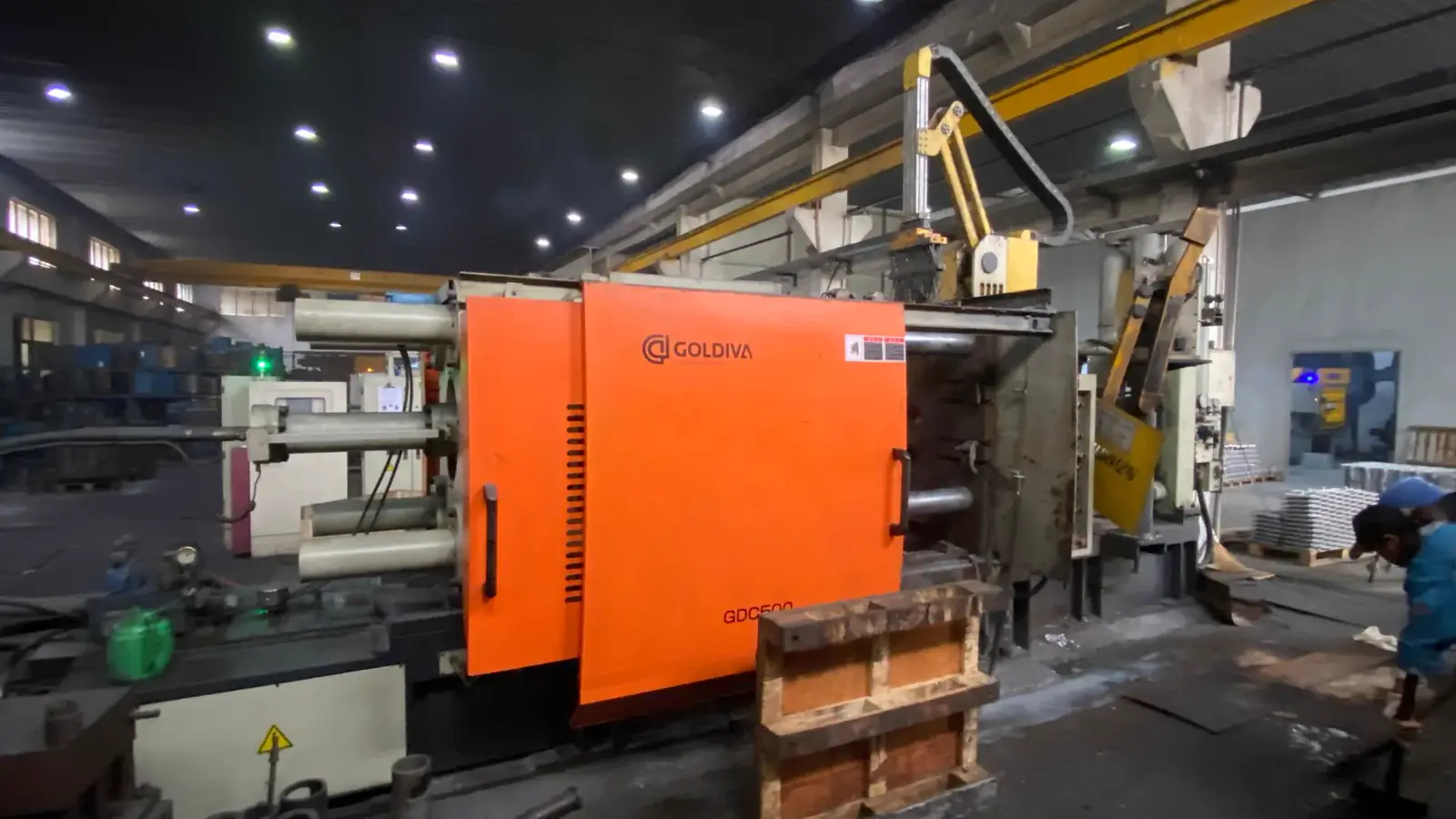
Lead Technical Image
Add a hero-level manufacturing, tooling, or component image that reinforces the article topic above the body copy.
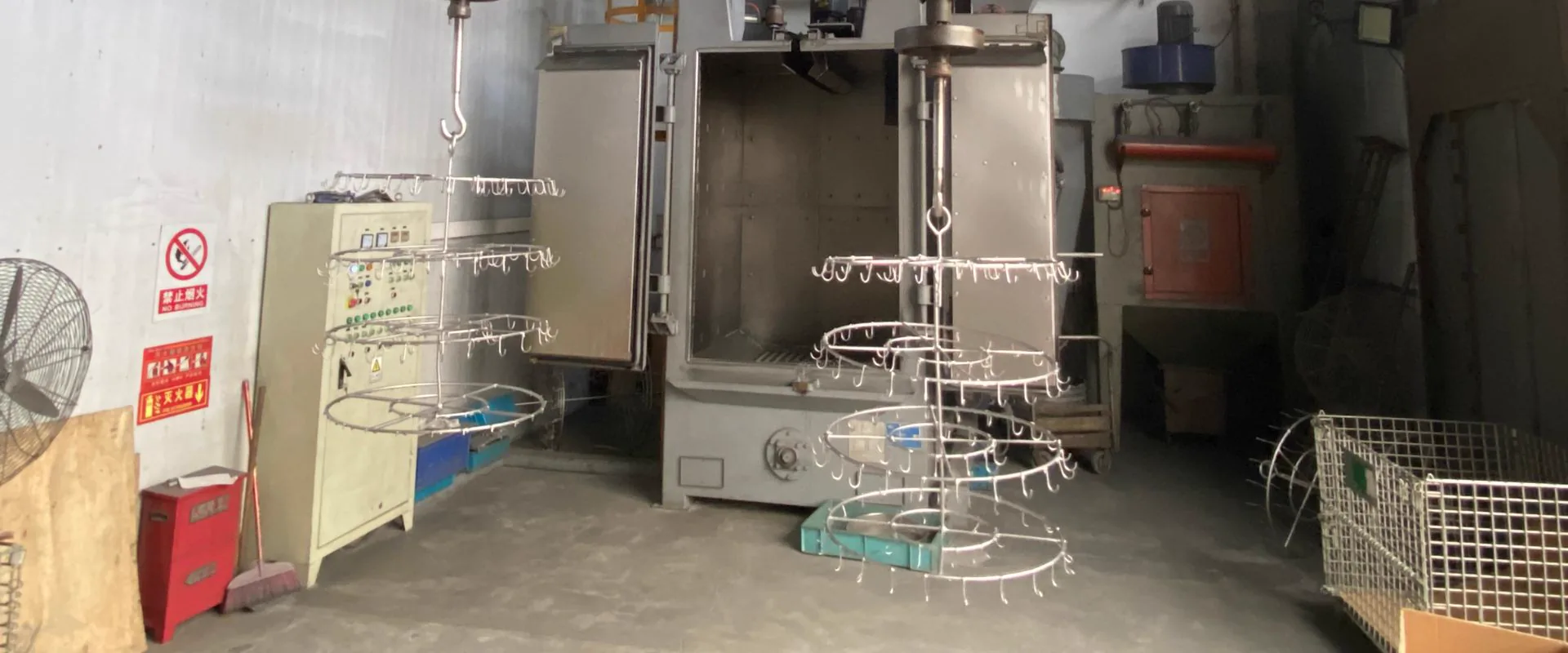
Comparison or Detail Image
Reserve a second image for an alloy comparison, defect example, tooling detail, or application close-up deeper in the article.
The thermal conductivity of aluminum is approximately 237 W/m·K for the pure metal - and almost nothing ships as pure aluminum. The alloys parts are actually made from conduct far less: the die casting workhorses A380 and ADC12 sit near 96 W/m·K, extruded 6063 holds roughly 200-210, and 6061-T6 lands between them at about 155-170. Whether "aluminum conducts heat well" is true for your part depends entirely on which row of that spread you are buying.
This page is the alloy conductivity chart for die casting and its wrought competitors: typical values, the metallurgy behind the spread, and what it means when choosing between a die cast housing and an extruded heat sink. For how much heat a material stores rather than moves, see the companion page on the specific heat of aluminum.
The Alloy Conductivity Chart: Pure Aluminum to Die Casting Alloys
| Material | Thermal conductivity (W/m·K) | Notes |
|---|---|---|
| Pure aluminum | ~237 | Reference value - not an engineering alloy |
| 6063-T5 (wrought, extrusion) | ~200-210 | Low solute loading keeps it closest to pure aluminum |
| 6061-T6 (wrought) | ~155-170 | The machining and structural workhorse |
| A356 (gravity cast, heat-treatable) | ~150-160 | Sand and permanent-mold grade, not a conventional HPDC alloy |
| A413 (die casting) | ~110-120 | Near-eutectic high-silicon grade with excellent fluidity |
| A360 (die casting) | ~105-113 | Higher strength than A380, slightly better conductivity |
| Zamak (zinc die casting family) | ~100-113 | Comparable to the aluminum die casting alloys |
| A380 (die casting) | ~96 | The North American die casting workhorse |
| ADC12 (die casting, JIS) | ~96 | The closest JIS counterpart to A380 |
| AZ91D (magnesium die casting) | ~51-78 | Lightest of the die casting metals, conducts the least |
Every value in this chart is typical/approximate and alloy- and condition-dependent: numbers shift with exact composition, with temper or heat-treatment state, and with service temperature, and producer datasheets disagree with each other by a few points. Treat the chart as selection-grade - a tool for ranking options and sanity-checking designs. For a thermally critical part, work from the supplier's datasheet for the specific alloy, temper and condition, and read the printed range as the uncertainty band.
Read down the table and one story repeats from every seat: distance from 237. The wrought extrusion alloy keeps most of pure aluminum's conductivity; the high-silicon die casting alloys give up well over half of it; magnesium gives up the most. And conductivity is only one thermal property - how much heat the alloy stores per degree is covered separately, while the dimensional consequences of all that heat leaving the casting are their own topic in casting shrinkage.
Why High-Silicon Die Casting Alloys Conduct Less Than Pure Aluminum
Heat conduction in aluminum travels mostly through the conduction electrons of the aluminum lattice - and anything that disturbs the lattice disturbs the flow. Casting alloys disturb it in two ways at once.
Dissolved solute atoms. Silicon, copper, magnesium and iron dissolved in the aluminum distort the lattice and scatter the electrons that carry heat. Wrought 6063 carries comparatively little dissolved solute in its T5 condition, which is why it stays near 200-210 W/m·K - the least-adulterated engineering aluminum you can buy in quantity.
Second-phase particles. The silicon that makes die casting alloys die-castable mostly does not stay dissolved. It freezes out as eutectic silicon particles dispersed through the aluminum matrix, and heat-carrying electrons meet a phase boundary at every particle. In near-eutectic grades like A413 - and in the workhorse pair A380 and ADC12 - those particles occupy a large fraction of the microstructure, which is why the workhorse die casting alloys sit near 96 W/m·K while lower-silicon casting grades climb back toward the mid-100s and beyond.
Two smaller effects stack on top of the metallurgy. Heat treatment shifts conductivity with temper condition - one reason every value above prints as a range rather than a point. And internal porosity, the cavity population discussed on the density of aluminum page, displaces thermally conductive metal with trapped air, trimming the effective bulk conductivity of an as-cast section slightly below the datasheet alloy value.
The consolation: conductivity loss is not a quality defect but the price of castability. That silicon is what lets thin walls fill at speed - it buys the net-shape geometry in exchange for the watts.
Die Cast vs Extruded: Choosing for Heat Sinks and Enclosures
The chart forces a real trade-off, because the best-conductivity aluminum is not die castable.
When conductivity dominates, extrude or machine. A fin's job is to carry heat along its length and hand it to the air, and a fin made from a lower-conductivity alloy delivers less of its surface area to the airflow. Extruded 6063 at roughly 200-210 W/m·K carries about double what an A380 die casting carries, so for maximum-performance cooling - long fins, high flux, weight-insensitive designs - extrusion or machined billet remains the standard answer. The die casting heat sink design guide walks through when that stops being true.
When shape dominates, die cast. Die casting buys three-dimensional freedom: fins merged with mounting bosses, ducted airflow passages, a housing whose structural walls are also its cooling surfaces - one part, with no joint resistance between them. A die cast enclosure at modest heat flux loses little to an extruded assembly, and alloy choice widens or narrows the gap. A360 and A413 conduct somewhat more than A380 and ADC12 (the two workhorses are close enough that the choice is usually made on other grounds - see ADC12 vs A380), and A356 in gravity casting processes recovers most of the wrought range where its slower process is acceptable.
Between aluminum and zinc, conductivity rarely decides. Zamak at roughly 100-113 W/m·K conducts as well as the common aluminum die casting alloys, so the choice between aluminum die casting and zinc die casting turns on part size, weight, precision and piece cost - with heat transfer close to a wash at the alloy level. Magnesium AZ91D at roughly 51-78 W/m·K is the outlier: lightest per gram, lowest conductivity of the three die casting metals, and therefore the one where thermal design needs the most care.
Temperature and Condition Dependence
The chart's values are room-temperature nominals for typical tempers. Conductivity drifts with service temperature, and a freshly cast part in its as-cast condition does not necessarily match a heat-treated or long-aged sample of the same alloy - composition within the specification window moves the number too. None of this changes the ranking; all of it argues against quoting a single digit to three significant figures in a thermal simulation. The professional habit is the one the table enforces: state the alloy, the temper and the condition, and treat the range as part of the data.
Frequently Asked Questions
What is the thermal conductivity of 6061-T6 aluminum?
Approximately 155-170 W/m·K, typical and condition-dependent. 6061 gives up a meaningful share of pure aluminum's 237 W/m·K to its alloying additions and T6 heat treatment, yet still lands well above the die casting workhorses - which is why heat-spreader plates are so often machined from 6061 while the enclosure around them is die cast.
What is the thermal conductivity of A380 and ADC12 die cast aluminum?
Both sit near 96 W/m·K - typical, approximate values, about 40% of pure aluminum's 237. Within the die casting family the ladder climbs from there: A360 at roughly 105-113, A413 at roughly 110-120, and A356 in gravity casting at roughly 150-160.
Aluminum vs zinc: which conducts heat better?
Pure aluminum conducts about 237 W/m·K, but the common die cast aluminum grades run roughly 96-120; Zamak zinc die casting alloys run roughly 100-113 - the same neighborhood. Thermal conductivity alone rarely picks between the two processes; geometry, weight and piece cost do the deciding.
Related
- specific heat of aluminum - the storage side of thermal design
- casting shrinkage - the dimensional cost of heat leaving the part
- die casting heat sink design - applying this chart to fins and enclosures
- is aluminum conductive - electrical conductivity by alloy
- density of aluminum - porosity and the as-cast reality
- ADC12 vs A380 - how close the two workhorses really are
- request a quote
Thermal requirements driving your sourcing? Send your package through the request a quote page or email casting@kastdiecast.com:
- CAD or PDF drawing of the final part
- Alloy - or share the thermal budget and let alloy selection happen with the chart open
- Annual volume and expected program life
- Key dimensions and heat-path features that matter most
- Surface treatment, if any
- Test requirements, including any thermal validation on the finished part
- Destination country and delivery term
KastMfg Manufacturing Co., Ltd. Email: casting@kastdiecast.com | Phone: +86 138 1403 4409 No.6, Rungu Road, Nanjing, China
About The Author
Mike Yao on thermal conductivity of aluminum
Technical Director, Die Casting Engineering
Technical Director at KastMfg with 20+ years in high-pressure die casting, leading engineering and program management across aluminum, zinc, and magnesium programs for automotive, EV, electronics, and medical OEMs worldwide.
View author profileRelated Reading
Keep exploring the blog
Specific Heat of Aluminum: Values and Alloy Chart
Specific Heat of Aluminum: Values and Alloy Chart The specific heat of aluminum is approximately 0.90 J/g·K - 900 J/kg·K in the units many datasheets prefer. From there the hone...
Mike Yao
5 min read
Aluminum Die Casting Heat Sinks: Design & Alloys
Aluminum Die Casting for Heat Sinks: Design Rules, Alloys and Fin Geometry An aluminum die casting heat sink is a cast aluminum component that transfers heat away from electroni...
Mike Yao
11 min read
Heat Sink Types and Materials - Selection Guide for Engineers
Heat Sink Types: An Engineer's Guide to Manufacturing Methods and Materials A heat sink moves heat out of a component and into the surrounding air. It works in two steps: conduc...
Mike Yao
7 min read
Aluminum vs Zinc Die Casting - How to Choose
Aluminum vs Zinc Die Casting — Choosing the Right Material for Your Part Aluminum and zinc are the two dominant die casting metals globally, together accounting for over 90% of...
Mike Yao
5 min read