Metal Hardness Chart: Brinell, Rockwell, HB Values
Metal hardness chart with Brinell values from pure aluminum (15-25 HB) to quenched tool steel (600+ HB) - verified rows for 6061-T6, Zamak 3 and AZ91D, commonly published values flagged as such, and how Brinell, Rockwell, Vickers and Shore scales relate (and why they do not convert directly).

Technical Director, Die Casting Engineering
Blog Visual Plan
Article visuals for metal hardness chart
These visuals use your current KastMfg image library now, and they will automatically switch to article-specific images when you add them later.
Lead Technical Image
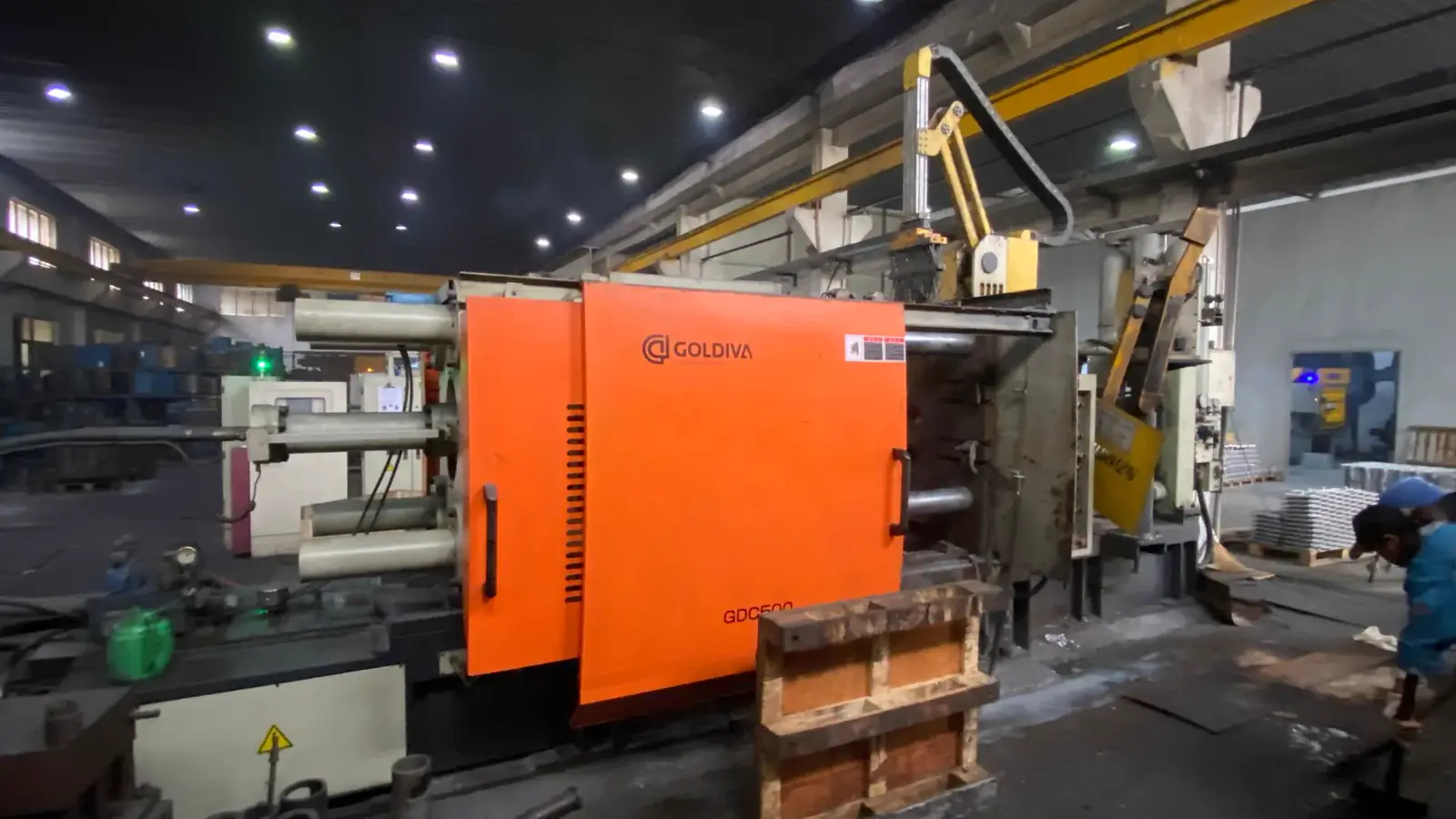
Add a hero-level manufacturing, tooling, or component image that reinforces the article topic above the body copy.
Comparison or Detail Image
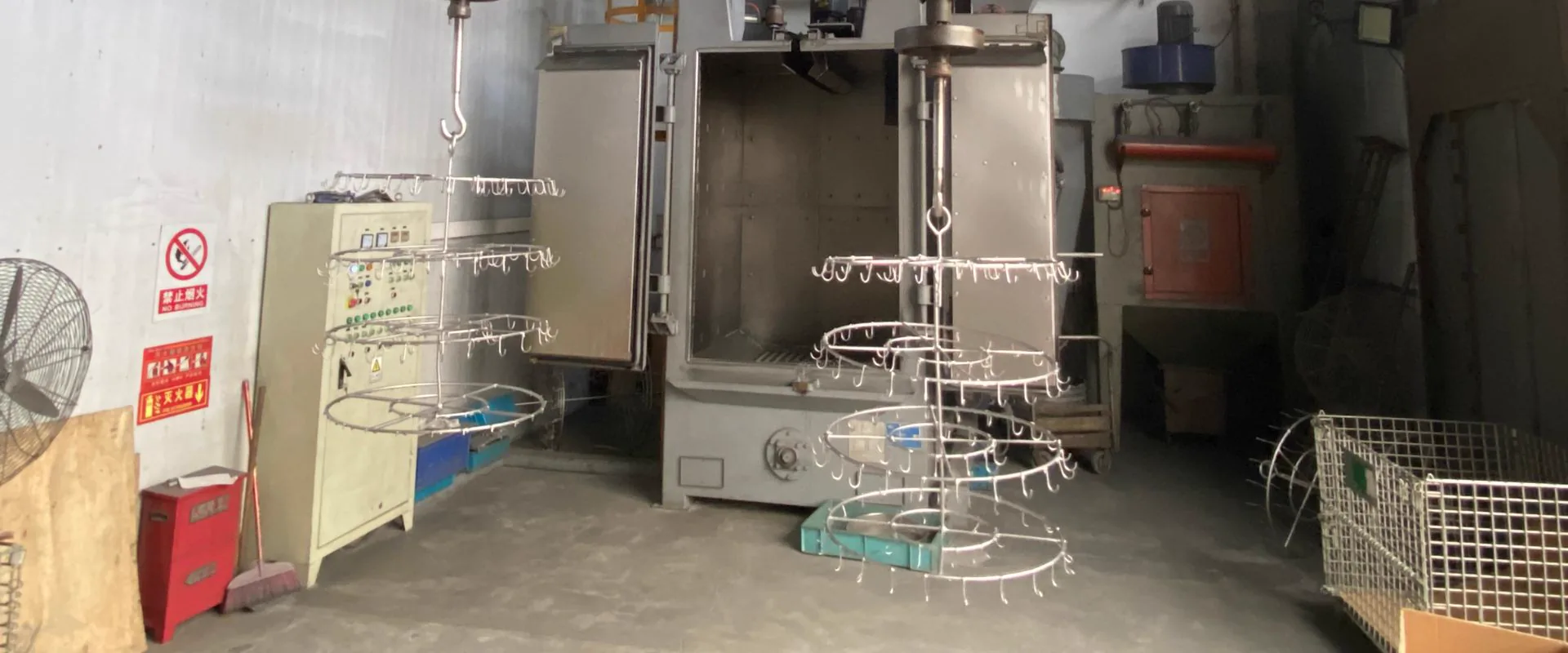
Reserve a second image for an alloy comparison, defect example, tooling detail, or application close-up deeper in the article.
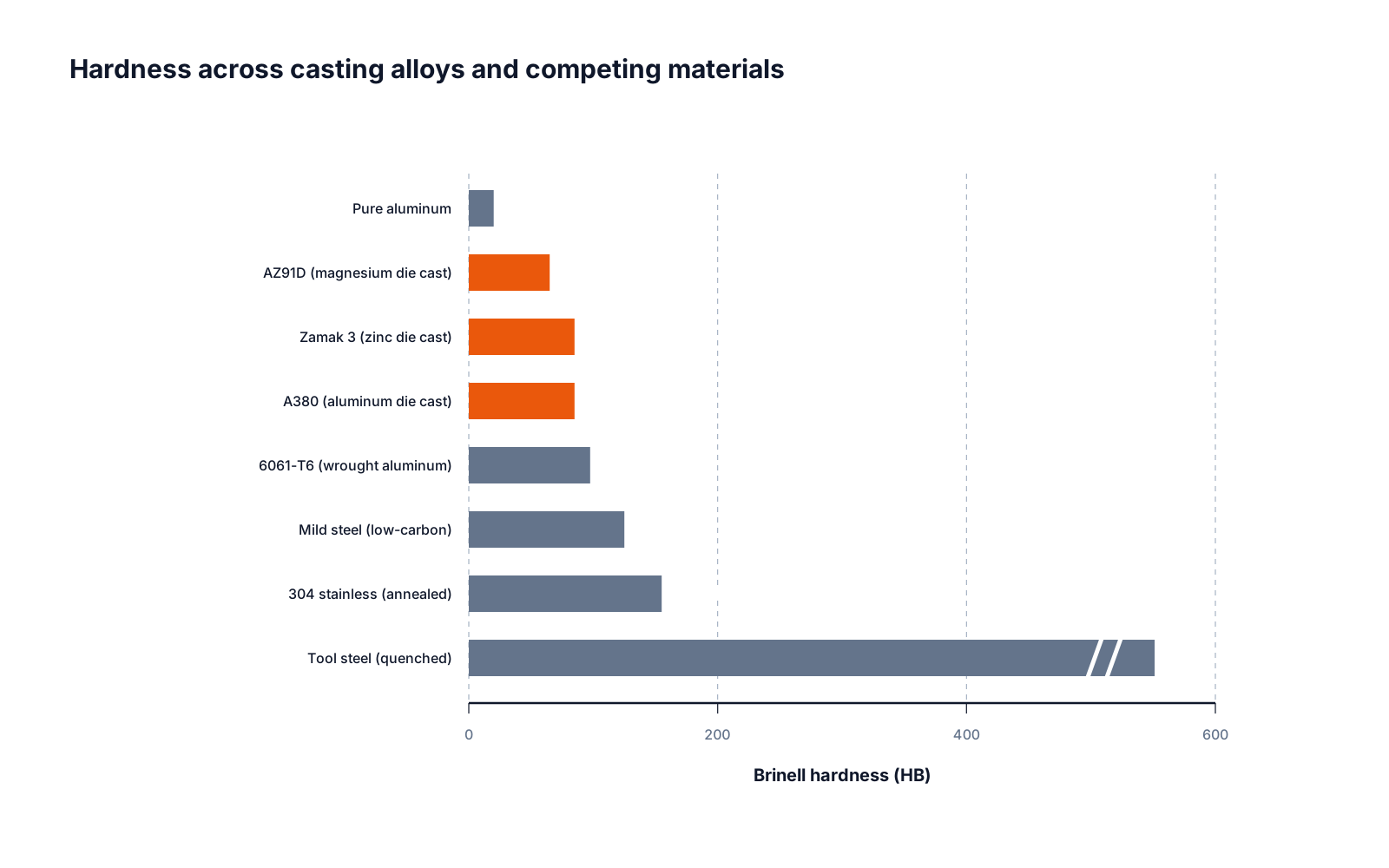
This metal hardness chart runs from about 15-25 HB for pure aluminum to 600+ HB for hardened tool steel - a forty-fold spread that decides wear life, machinability and surface behavior. Three rows are verified for this page (6061-T6 at 95-100 HB, Zamak 3 at 80-90 HB, AZ91D at 60-70 HB); the remaining rows carry commonly published approximate values, flagged in the table, because hardness data varies with exact condition and source. Hardness is also not strength - for the stress numbers, see the yield strength of aluminum chart, which is a different table for a different question.
What follows: the chart itself with per-row sourcing status, what hardness actually measures, how the four common scales - Brinell, Rockwell, Vickers and Shore - differ, and why scale-to-scale conversion is an approximation rather than arithmetic.
The Metal Hardness Chart (Brinell)
| Material | Hardness (HB) | Source status |
|---|---|---|
| Pure aluminum | 15-25 | Commonly published approximate value |
| AZ91D (magnesium die cast) | 60-70 | Verified - ~63 as-cast and ~70 in the T6 condition are the published figures |
| Zamak 3 (zinc die cast) | 80-90 | Verified - ~82 as-cast is a commonly published figure |
| A380 (aluminum die cast) | 80-90 | Commonly published approximate value |
| 6061-T6 (wrought aluminum) | 95-100 | Verified typical value |
| Mild steel (low-carbon) | 120-130 | Commonly published approximate value |
| 304 stainless (annealed) | 145-165 | Commonly published approximate value |
| Tool steel (quenched) | 600+ | Commonly published approximate value |
Read the sourcing column as part of the data. Every number in the table is typical and approximate - hardness moves with exact composition, temper or heat-treatment condition, and the work done on the metal - and the unverified rows additionally carry the "commonly published" caveat because tables disagree across sources. For decisions that hinge on a hardness value, the controlling document is the datasheet for the specific alloy and condition, with this chart used for ranking and sanity-checking. The AZ91D row shows the condition effect inside a single verified row: as-cast (~63) versus T6 (~70) is a real shift a buyer can specify.
Three patterns worth noticing. The die casting alloys cluster in the 60-100 HB middle of the chart - hard enough to wear in service, soft enough to machine and trim economically. The steels begin one tier up and extend enormously: mild steel's 120-130 to tool steel's 600+ is what heat treatment buys the iron family, and it is why "harder than steel" is almost never a true statement about a die casting. And within the die casting family the order is magnesium, zinc, aluminum - a ranking explored alloy-by-alloy on the AZ91D magnesium and Zamak 3 pages.
What Hardness Measures - and What It Does Not
Hardness is resistance to localized plastic deformation - how a material answers a sharp, small indenter pushed into a prepared surface, measured through the indent's size or depth. It is a surface-and-scale property, and it is not the same thing as:
Strength. Yield strength describes stress across a whole section; hardness describes a point contact. Within one alloy family the two correlate usefully - harder tempers of the same alloy are generally stronger - but the correlation drifts across families and does not survive contact with a different metal. That is why this chart and the yield strength chart are separate tables: 6061-T6's 95-100 HB and its ~240-276 MPa yield belong to the same temper, but you cannot compute one from the other across the chart.
Stiffness. Elastic modulus is resistance to elastic deflection, and it barely moves with hardness or heat treatment. A hardened steel part deflects under load almost exactly like its annealed self.
What hardness does predict, well enough for daily use: wear resistance against rubbing and abrasion, machinability (harder stock machines slower and wears tools faster, though gummy soft metals have their own problems), polishability, and how a surface accepts forming and finishing operations.
The Four Scales: Brinell, Rockwell, Vickers, Shore
Hardness numbers are scale-dependent, and the scale is part of the number. A Brinell value (HB) comes from pressing a ball indenter into the surface under a defined load and measuring the impression - a method suited to the medium-hardness, coarser-grained materials that dominate casting work, and the scale this chart uses. A Brinell number is only meaningful together with the indenter, load and dwell used; the test conditions are part of the result, not background detail.
Rockwell (HRB, HRC) measures depth of penetration under a diamond cone or ball rather than indent diameter, which makes it fast and shop-friendly. The B scale serves the softer metals, the C scale the hardened ones; a Rockwell number states its scale or it states nothing.
Vickers (HV) uses a diamond pyramid and one consistent geometry across an exceptionally wide hardness range, including thin sections and surface layers the other scales struggle with - which is why it dominates laboratory and coating work.
Shore covers the soft end of the material world - elastomers, plastics and soft polymers - that metal scales cannot meaningfully measure. When a drawing specifies Shore A or Shore D, it is specifying a non-metal or a polymer phase, not comparing against the metals above.
The conversion question follows directly: Brinell, Rockwell, Vickers and Shore values are not directly interchangeable. The scales measure different indenter geometries and different responses, so there is no formula - only empirically derived conversion tables, published for broad material classes, and every conversion through them is an approximation. The professional habit is to test and specify in one scale, and to treat any converted number as an estimate worth re-checking against a published conversion table before it matters.
Using the Chart in Die Casting Decisions
Hardness enters die casting sourcing in three recurring ways. As-cast condition: die castings ship at their as-cast hardness - the ~82 as-cast Zamak 3 figure and the ~63 as-cast AZ91D figure are the states buyers actually receive - unless a grade is specified in a heat-treated condition, as AZ91D's T6 row shows. Wear planning: a zinc or aluminum alloy casting sliding against steel lives in the 80-100 HB tier and needs the geometry (or a mating insert) to carry the wear duty, since the steels two tiers up will always win a hardness contest. Finishing expectations: hardness bounds what a surface will take - the polish, the buff, the anodize or plate - and the vintage side of that conversation, why old zinc castings behave as they do under restoration work, is told on the pot metal page.
For the heaviest hardware in the comparison - where stainless sits relative to aluminum, in hardness and everything else - see aluminum vs stainless steel, which places the 304 row of this chart into its full material context. And when a requirement is written in strength language rather than hardness language, the numbers to use are on the yield-strength page, not this one.
Frequently Asked Questions
What is the hardness of 6061-T6 aluminum?
Approximately 95-100 HB - a verified typical value for the T6 temper. Note again that 6061 is a wrought alloy, not a die casting alloy; the nearest die casting row is A380 at a commonly published 80-90 HB.
Can I convert between Brinell, Rockwell and Vickers?
Only approximately, and only via published conversion tables - there is no direct formula, because the scales use different indenters and measure different responses. Specify and test in one scale; treat converted values as estimates.
What is the hardness of Zamak 3 and AZ91D die castings?
Zamak 3 runs ~80-90 HB with ~82 as-cast commonly published; AZ91D runs ~60-70 HB, ~63 as-cast and ~70 in the T6 condition. Both are verified typical values for their stated conditions.
Which is harder, aluminum or steel?
The steels, across the board. Common die casting and wrought aluminum alloys occupy roughly 15-100 HB (pure metal to 6061-T6), while mild steel starts at a commonly published 120-130 HB and hardened tool steel passes 600 HB. Aluminum wins the weight contest instead - density, not hardness, is where it competes.
Related
- yield strength of aluminum - the strength-side chart for the same alloys
- pot metal - vintage zinc castings and their behavior
- aluminum vs stainless steel - the 304 row in full material context
- Zamak 3 alloy page - the zinc workhorse's data
- AZ91D magnesium - the magnesium die casting grade
- aluminum die casting - the process behind the A380 row
- request a quote
Hardness or wear requirement on a casting? Send your package through the request a quote page or email casting@kastdiecast.com:
- CAD or PDF drawing of the final part
- Alloy and condition - or the wear duty, and let alloy selection happen with this chart open
- Annual volume and expected program life
- Key dimensions and the surfaces that carry wear
- Surface treatment, if any
- Test requirements, including any hardness validation on the finished part
- Destination country and delivery term
KastMfg Manufacturing Co., Ltd. Email: casting@kastdiecast.com | Phone: +86 138 1403 4409 No.6, Rungu Road, Nanjing, China
About The Author
Mike Yao on metal hardness chart
Technical Director, Die Casting Engineering
Technical Director at KastMfg with 20+ years in high-pressure die casting, leading engineering and program management across aluminum, zinc, and magnesium programs for automotive, EV, electronics, and medical OEMs worldwide.
View author profileRelated Reading
Keep exploring the blog
Aluminum vs Stainless Steel: Casting Perspective
Aluminum vs Stainless Steel: Casting Perspective Aluminum weighs 2.70 g/cm3 against roughly 8 g/cm3 for stainless steel - about one-third the weight at equal volume - and, unlik...
Mike Yao
8 min read
Yield Strength of Aluminum: Alloy Chart
Yield Strength of Aluminum: Alloy Chart The yield strength of aluminum is only about 25-35 MPa in the pure, annealed metal - and roughly ten times that in a heat-treated enginee...
Mike Yao
7 min read
Thermal Conductivity of Aluminum: Alloy Chart
Thermal Conductivity of Aluminum: Alloy Chart The thermal conductivity of aluminum is approximately 237 W/m·K for the pure metal - and almost nothing ships as pure aluminum. The...
Mike Yao
7 min read
Can Steel Be Die Cast? Why Conventional HPDC Says No
Can Steel Be Die Cast? Why Conventional HPDC Says No No - steel cannot be made by conventional high-pressure die casting. The commercial process is limited to zinc, magnesium an...
Mike Yao
6 min read