Pot Metal: Why It Breaks & What to Use Instead
Pot metal: cheap, unspecified zinc die castings - the brittle metal in vintage car trim. Why it breaks, why it fights welding, what to use instead.

Technical Director, Die Casting Engineering
Blog Visual Plan
Article visuals for pot metal
These visuals use your current KastMfg image library now, and they will automatically switch to article-specific images when you add them later.
Lead Technical Image
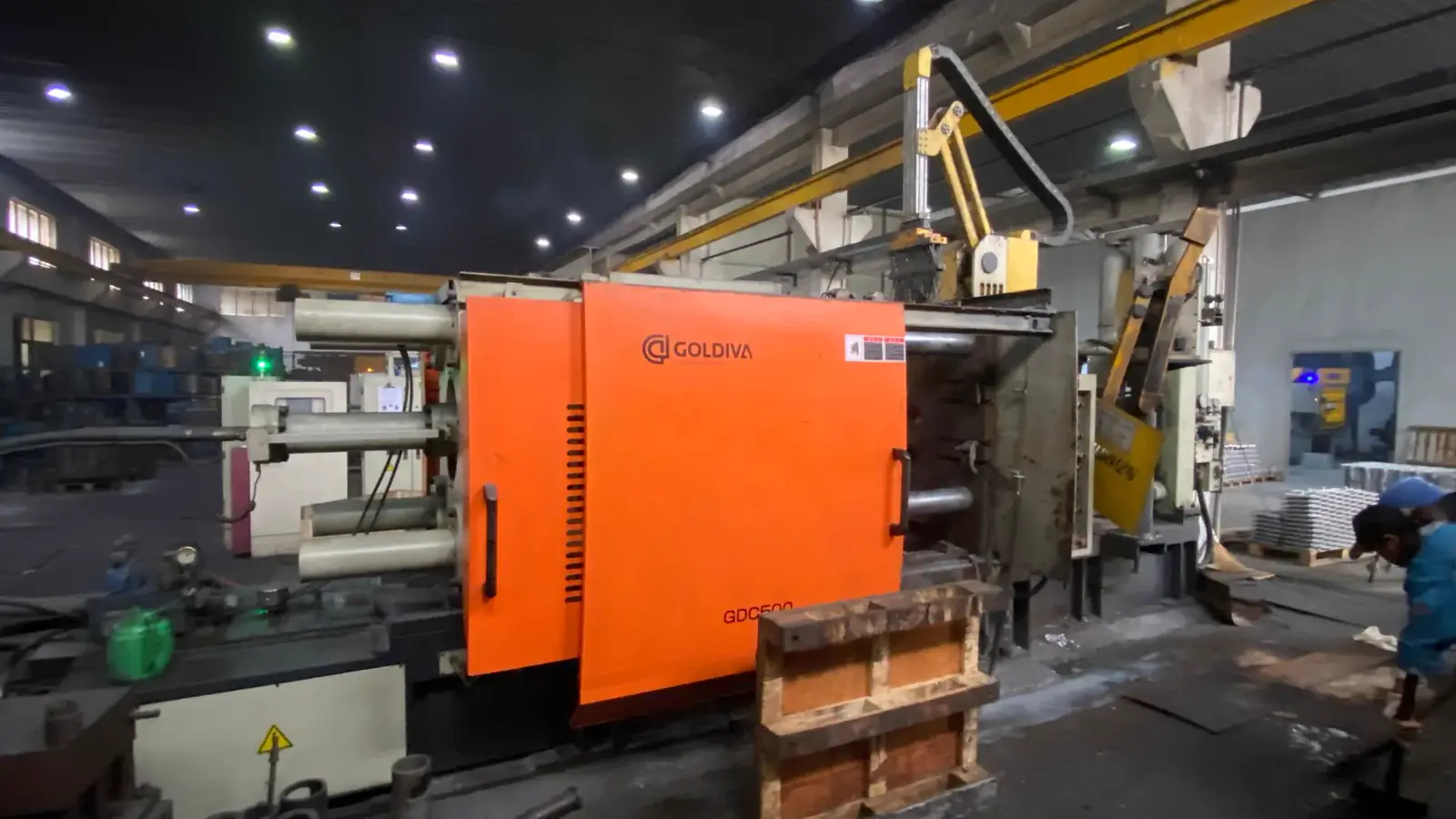
Add a hero-level manufacturing, tooling, or component image that reinforces the article topic above the body copy.
Comparison or Detail Image
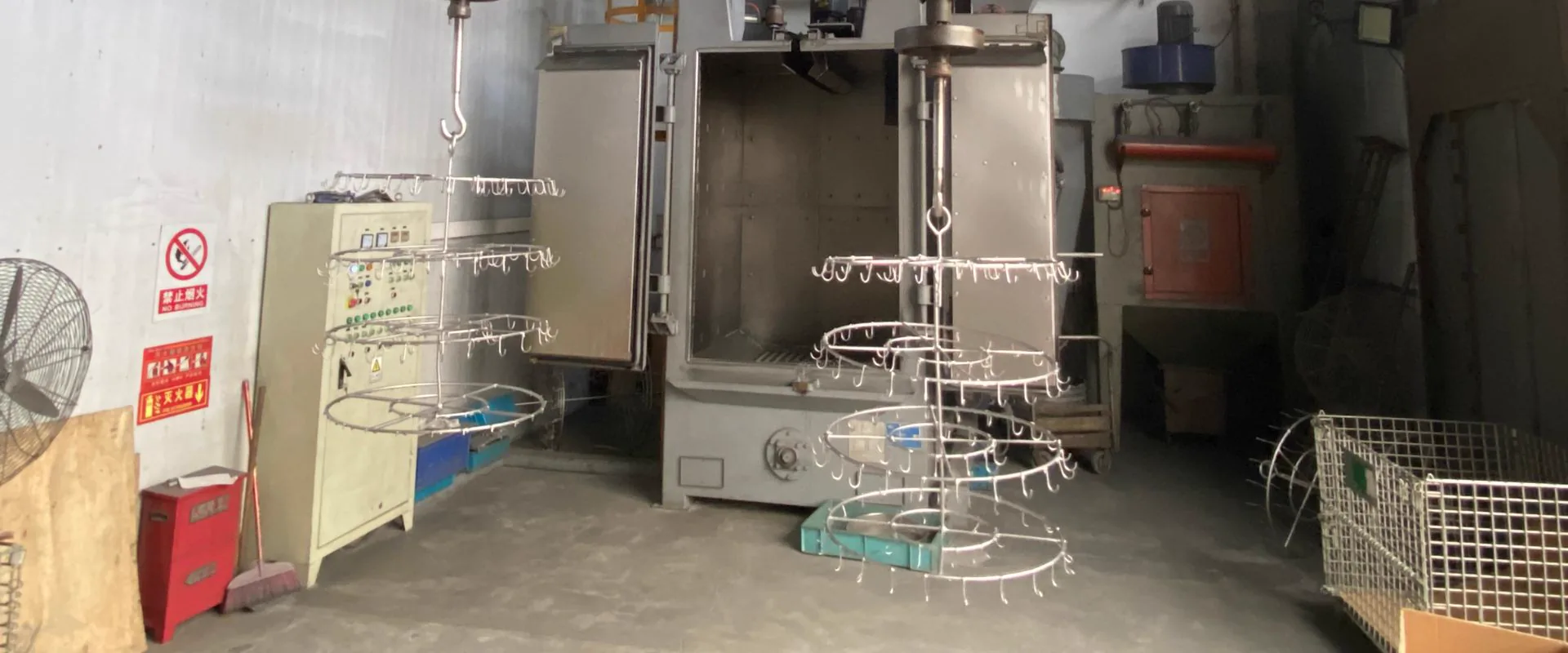
Reserve a second image for an alloy comparison, defect example, tooling detail, or application close-up deeper in the article.
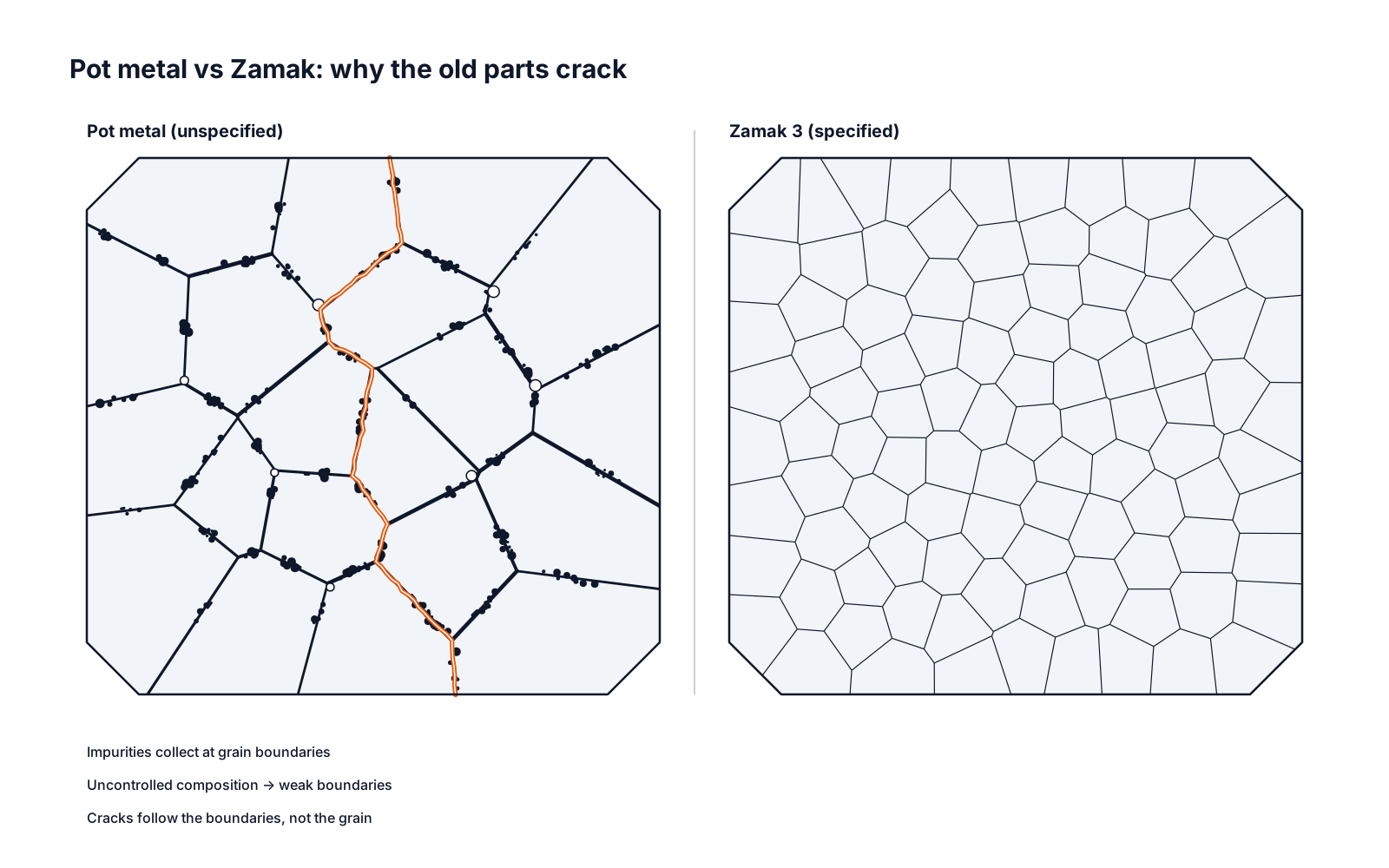
Pot metal is an informal, nostalgic term for inexpensive zinc-based die castings of unspecified composition - the cheap cast parts found in vintage cars, old hardware and household appliances. It is not a specification, not a standard and not a single alloy: "pot metal" describes a class of low-cost zinc-die-cast parts whose exact chemistry was whatever the melter charged, sometimes including other low-melting alloys. The modern engineering descendant is the standardized Zamak zinc die casting family, whose composition and properties are controlled tight enough to design against.
This page explains the term, why pot metal parts behave the way they do - and why they age so badly - the three practical repair routes when one breaks, and how to translate "pot metal" on an old drawing into a modern zinc die casting specification. For the strength-and-hardness side of the same alloys, see the yield strength and metal hardness chart pages.
Buying new parts rather than repairing old ones? Pot metal has no specification to quote against; production parts are specified in Zamak 3 or Zamak 5. KastMfg casts zinc on hot-chamber cells from 80T to 400T, with P20 prototype tooling in 3-5 weeks and H13 production tooling in 5-8 weeks, and accepts programs from 50 pieces. Start with zinc die casting, the Zamak 3 and Zamak 5 alloy pages, or send a drawing to the RFQ desk.
What Is Pot Metal? The Term and Where It Came From
Pot metal earned its name in the era of cheap mass production, and one common account of the name is the literal one: the caster melted whatever was in the pot - zinc scrap, offcuts, whatever low-melting metal was at hand - and die cast the result into small parts. The output was cheap, thin-walled and net-shape decades before that vocabulary existed, which is why the material turns up everywhere in mid-twentieth-century goods:
- Automotive: trim pieces, door handles, window cranks, brackets, carburetor bodies and badges on vintage cars - the classic "pot metal" association
- Hardware: lock bodies, latches, pulls, handles and light-duty mechanisms
- Appliances and household goods: gears, knobs, housings and fittings inside washing machines, radios, typewriters and toys
- General small mechanism parts: anywhere a cheap, accurate, low-melting casting beat a machined steel part
What made it attractive still makes zinc alloys attractive: low melting temperature that is gentle on tooling, excellent castability into fine detail, and finished-part cost that undercut every alternative. What made it infamous was the uncontrolled chemistry - and that is the subject worth understanding before touching a broken piece.
Pot Metal vs Modern Zinc Die Casting Alloys
The difference between pot metal and a modern zinc die casting alloy is the difference between an anecdote and a specification. Zamak 3, the workhorse of the modern family, is a defined alloy with a defined composition range - roughly 4% aluminum and a fraction of a percent of magnesium, balance zinc, per the standards described on the what is Zamak page - published mechanical properties, and datasheets that quarrel only in the last digit. Pot metal promised none of that.
That difference shows up in every number people ask for:
| Property | Zamak 3 (modern, specified) | Vintage pot metal |
|---|---|---|
| Composition | Defined specification range | Unspecified - zinc-based, sometimes other low-melting alloys |
| Tensile strength | ~220-280 MPa (published values vary by condition and standard) | Not definable - composition was never fixed |
| Hardness | ~80-90 HB typical (~82 as-cast is a commonly published figure) | Not definable per alloy |
| Density | ~6.6-6.7 g/cm3 | Similar neighborhood - zinc is zinc - but uncontrolled |
| Melting behavior | Zamak family approx. ~380-390°C | No single melting point - composition is indeterminate |
Two rows of that table carry the whole story. First, strength: a single Zamak 3 tensile figure is publishable (with the variation caveat) only because the alloy is specified - for pot metal, any "typical strength" would be fiction, and published zinc strength numbers that look comparable belong to the specified family, tracked on the Zamak 3 alloy page. Second, melting point: the ~380-390°C range is the Zamak family's approximate range, not a property of pot metal. Pot metal has no melting point to quote, because pot metal is not one material. When a melting figure is genuinely needed, use the specified family value from the melting point of zinc page and say which alloy it belongs to.
This is also the answer to "is pot metal zinc?" - usually yes, predominantly, but the term does not promise it, and that imprecision is exactly why engineers stopped using the words for anything that mattered.
Why Pot Metal Parts Break and Age Badly
Vintage pot metal's reputation for failure is chemistry expressing itself over decades. The uncontrolled composition carried impurities and off-ratio alloying that modern specifications exist to exclude, and the consequences compound:
Brittleness and internal weakness. Impure, off-spec zinc alloys freeze with weak internal structure, so a vintage handle or bracket that looks solid cracks under loads a modern Zamak part would shrug off. Impact and overtightening find the flaws first.
Aging and growth. Unstable phases in impure zinc alloys slowly change over years - a drift that shows up as warpage, blistering and swelling in old castings, and the reason a decades-old part no longer fits the thing it was made for. Modern Zamak's controlled composition and tight impurity limits were designed to eliminate exactly this.
Corrosion. Zinc corrodes by a white, powdery oxidation - the familiar white rust on old castings - and uncontrolled alloys with galvanically active impurities do it faster and uglier. Plating slows it, which is why so much pot metal was originally chromed, and why restoring that plating is half of vintage repair work.
For contrast, the aluminum die casting family ages differently - oxide-protected, dimensionally stable, and heavier-argument-than-zinc on some properties and lighter on others; the material-level comparison lives on aluminum vs zinc die casting and the process side on the aluminum die casting page.
Repairing Pot Metal: Why It Fights the Welder, and Three Routes That Work
Pot metal repair is a genre of its own because the obvious fix - welding pot metal - is the one the material resists most. Zinc's boiling point is uncomfortably close to the temperatures a welding arc or flame delivers to the joint, so the zinc boils out of the molten pool: metal spits and vaporizes, the weld goes porous and crumbly, and the repair fails again where the zinc left. Thin vintage walls, decades of oxidation and unknown filler chemistry stack on top. Practical repair therefore runs one of three routes:
Route 1 - Epoxy and fillers. For non-structural breaks - a cracked trim piece, a chipped badge boss - modern epoxies and metal-filled fillers hold cosmetics together at low temperature with zero metallurgical drama. The repair is as strong as the adhesive, not the metal, which is why this route belongs on appearance parts and nowhere load-bearing.
Route 2 - Low-temperature brazing and solder-type alloys. Specialty low-melt repair alloys and fluxes join zinc-based castings well below the temperature at which the parent metal boils, flowing into the joint like a braze. This is the route that restores genuine metallic continuity in delicate vintage parts, and the one professional restorers reach for when the repair must conduct load or take plating. Skill and cleanliness decide the outcome.
Route 3 - Recast replacement. When the part is gone, structural, or not worth stitch work, the modern answer is to recast it - reproduce the geometry and cast it in specified Zamak, gaining today's controlled composition and published properties. A replacement handle or bracket in Zamak 3, at ~80-90 HB typical hardness and a ~220-280 MPa published tensile range, outclasses what the original ever was. Recutting a die for one is die casting tooling work - a prototype tool in 3-5 weeks, production tooling in 5-8 - and replacement runs of a few hundred pieces are ordinary low-volume die casting, not a concession.
Why welding pot metal is not a repair route
Strictly speaking, welding pot metal fails for three stacked reasons. The parent metal is zinc-based, and zinc boils at roughly 900°C — inside the range a welding arc reaches at the joint — so the base metal itself turns to vapor while the pool is still molten. The casting is porous and decades-oxidized, so the pool is contaminated before the filler even arrives. And the alloy is unspecified: nobody can hand you a filler and a procedure that match a chemistry that was never written down. Even on a known alloy the geometry fights back: thin vintage sections cannot take the heat soak, and distortion shows up as soon as the part cools.
What restorers call "welding" on these parts is almost always one of the low-temperature routes above — a repair alloy that flows below the zinc boiling point — not fusion welding. If a component has to be joined and the joint must carry load, the sound answer is a specified starting point rather than an unspecified repair: recast it in a modern alloy whose composition and properties are published and controlled, such as Zamak 3 or Zamak 5, and see what Zamak is for how those alloys are specified. Where welding is genuinely required, engineers design for a specified filler and procedure from the start — not for a repair on an unknown vintage casting.
The honest engineering note: pot metal repairs are restoration decisions, not validation-grade structural repairs. Anything safety-related gets replaced, not glued.
When "Pot Metal" Appears in Sourcing Today
The term still surfaces in modern commerce in three ways. Old drawings and parts books call vintage components pot metal; the sourcing translation is zinc die casting, specified - pick the Zamak grade for the job rather than the anecdote. Restorers ask for "pot metal parts" and mean recast Zamak replacements, as above. And the phrase survives as mild shorthand for "cheap zinc casting," which does a specified modern process a disservice: today's zinc die casting is a precision process with alloy standards behind it, on par with any other engineered material route - and for small, intricate, tight-geometry parts it beats the alternatives often enough that the comparison pages exist for exactly that argument. Where a replacement part has to be quoted from a sample or a drawing rather than an existing programme, that is custom die casting work; the material trade-offs for corrosion-critical outdoor or marine duties, where even stainless enters the conversation, are laid out in aluminum vs stainless steel - zinc's galvanic behavior being part of that discussion.
Frequently Asked Questions
What is pot metal made of?
Predominantly zinc, typically alloyed with aluminum and traces of other elements - but by definition it is unspecified: the term describes cheap zinc-based die castings whose composition varied batch to batch, sometimes including other low-melting alloys. The specified modern equivalents are the Zamak grades.
Is pot metal the same as zinc die casting?
Historically related, specification-wise no. Pot metal is the informal name for uncontrolled zinc-based castings; modern zinc die casting uses standardized alloys such as Zamak 3, with defined composition and published properties. Same ancestry, different discipline.
What is the melting point of pot metal?
There is no single value - pot metal's composition was never fixed, so no melting point can honestly be quoted for it. The specified Zamak family melts in an approximate ~380-390°C range; state the alloy when a melting figure matters.
Can pot metal be welded?
With great difficulty. The zinc boils out of the weld pool at arc and flame temperatures, leaving porous, weak repairs - which is why practical repair runs through epoxy (cosmetic), low-temperature brazing alloys (metallic continuity at low heat), or recasting the part in modern Zamak.
Related
- what is Zamak - the specified alloy family behind the name
- Zamak 3 alloy page - composition and properties
- melting point of zinc - the specified family's melting behavior
- metal hardness chart - Zamak 3 hardness in context
- yield strength of aluminum - the strength-number family, and why zinc publishes tensile
- aluminum vs zinc die casting - the material-level decision
- request a quote
Replacing a pot metal part with a specified casting? Send your package through the request a quote page or email casting@kastdiecast.com:
- CAD or PDF drawing - or the broken original plus a sample or photos
- Alloy - or describe the duty and let Zamak grade selection follow
- Annual volume and expected program life
- Key dimensions and critical fits
- Surface treatment, including any restoration plating
- Test requirements, if the replacement is more than cosmetic
- Destination country and delivery term
KastMfg Manufacturing Co., Ltd. Email: casting@kastdiecast.com | Phone: +86 138 1403 4409 No.6, Rungu Road, Nanjing, China
About The Author
Mike Yao on pot metal
Technical Director, Die Casting Engineering
Technical Director at KastMfg with 20+ years in high-pressure die casting, leading engineering and program management across aluminum, zinc, and magnesium programs for automotive, EV, electronics, and medical OEMs worldwide.
View author profileRelated Reading
Keep exploring the blog
Melting Point of Zinc and Zamak Alloys - Reference Chart
Melting Point of Zinc - and the Zamak Die Casting Alloys Chart Pure zinc melts at 419.5°C (787°F). Die casting zinc alloys - the Zamak and ZA families - melt slightly lower, acr...
Mike Yao
6 min read
Die Casting vs Permanent Mold Casting: Which to Choose?
Die Casting vs Permanent Mold Casting: How to Choose Die casting and permanent mold casting are both metal mold processes - both use reusable steel or iron dies rather than expe...
Mike Yao
8 min read
Die Casting Die Explained - Anatomy, Steel, Life, and Cost
Die Casting Die - What It Is, How It's Built, and What It Costs A die casting die is a precision steel mold - typically two machined halves of H13 hot-work tool steel - that sha...
Mike Yao
5 min read
Melting Point of Aluminum and Casting Alloys - Reference Chart
Melting Point of Aluminum - and the Casting Alloys Chart The melting point of aluminum is 660.3°C (1220.5°F) for the pure metal. Aluminum alloys do not melt at one point: they s...
Mike Yao
6 min read