Yield Strength of Aluminum: Alloy Chart
Yield strength of aluminum: ~25-35 MPa for pure annealed aluminum, 240-276 for 6061-T6 and 470-505 for 7075-T6 - with die casting values for A380, ADC12, AZ91D and the Zamak tensile range, why temper moves the number more than alloy, and what as-cast yield means for part design.

Technical Director, Die Casting Engineering
Blog Visual Plan
Article visuals for yield strength of aluminum
These visuals use your current KastMfg image library now, and they will automatically switch to article-specific images when you add them later.
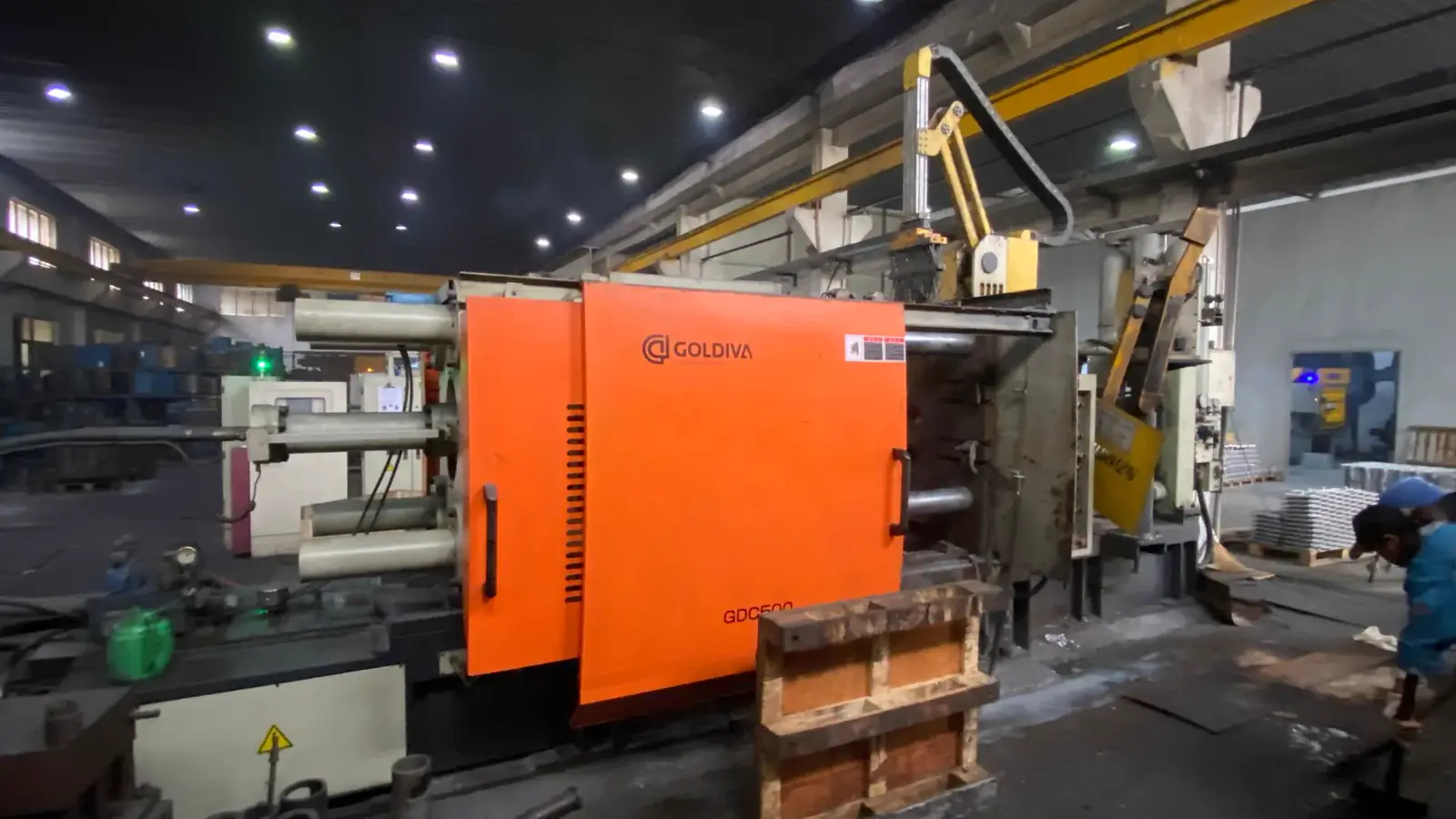
Lead Technical Image
Add a hero-level manufacturing, tooling, or component image that reinforces the article topic above the body copy.
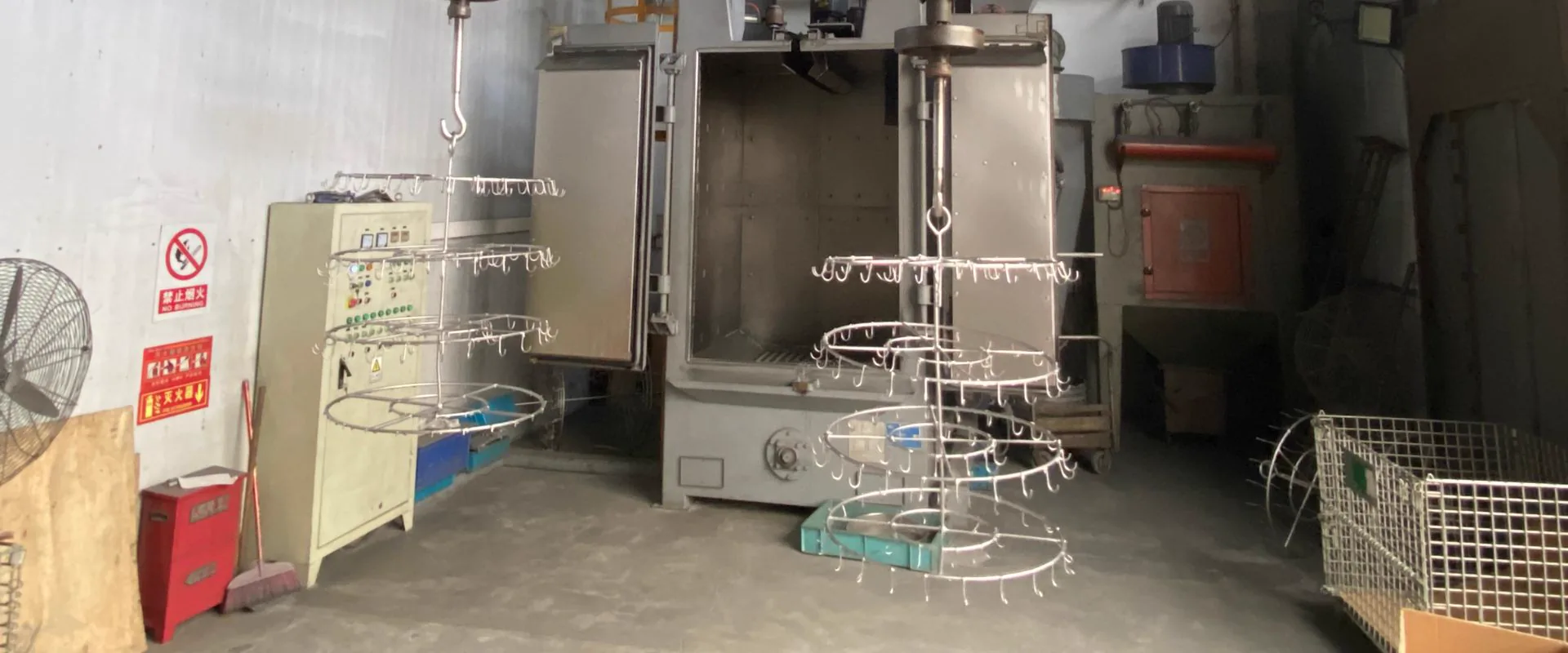
Comparison or Detail Image
Reserve a second image for an alloy comparison, defect example, tooling detail, or application close-up deeper in the article.
The yield strength of aluminum is only about 25-35 MPa in the pure, annealed metal - and roughly ten times that in a heat-treated engineering grade. 6061-T6 typically yields around 240-276 MPa, with 276 the commonly published typical value, and 7075-T6 around 470-505 MPa, with ~503 the figure most tables quote. The die casting alloys sit lower and stay there: A380 and ADC12 castings yield on the order of ~150-170 MPa, varying with casting conditions and specification. Which row of that spread applies to your part is decided less by the word "aluminum" and more by alloy, temper and process.
This page is the yield-strength chart for die casting and its wrought competitors: typical values with their qualifiers, the difference between yield and tensile strength, why heat treatment moves the number more than alloy choice does, and what as-cast yield means when the drawing says die cast. Hardness - a related but separate property that does not track yield one-to-one - has its own reference on the metal hardness chart.
Specifying a casting against a yield number? As-cast A380 and ADC12 land around 150-170 MPa; the lever that moves the number is alloy and process, not a different supplier. KastMfg casts aluminum on 16 cold-chamber machines from 160T to 1,600T, with in-house CNC machining and heat treatment where a program needs it. See aluminum die casting, the A380 and ADC12 alloy pages, or send the drawing to the RFQ desk.
Yield Strength vs Tensile Strength: Which Number Designs Use
Yield strength is the stress at which a metal stops returning to its original shape - the onset of permanent, plastic deformation. Tensile strength is the higher stress at which the material ultimately fails. A part that stays below yield springs back; a part pushed past yield comes out bent, and a part pushed to tensile comes out in pieces.
For aluminum the yield point is not a sharp knee, so the convention is the 0.2% offset yield: the stress at which the stress-strain curve has drifted 0.2% off the elastic line. Every aluminum yield number in the chart below is that convention. Design engineers work against yield with a safety factor, because the failure that matters first is usually geometric distortion - a bracket that stays put, a housing that keeps its bore round - not rupture.
One consequence for reading published data: when a zinc alloy datasheet quotes a single "strength" figure, it is almost always the tensile strength, not yield. That is why the Zamak row in the chart below reports a tensile range only, and why comparing a zinc tensile number against an aluminum yield number is a classic apples-to-oranges mistake.
The Aluminum Yield Strength Chart
| Alloy / condition | Yield strength (MPa) | Notes |
|---|---|---|
| Pure aluminum (annealed) | ~25-35 | Reference value - not an engineering alloy |
| 5052-H32 (wrought) | ~193-195 | Work-hardened sheet and plate grade |
| 6061-T6 (wrought) | ~240-276 | 276 is the commonly published typical value |
| 7075-T6 (wrought) | ~470-505 | ~503 commonly quoted; the strongest common wrought grade |
| A380 (die cast) | ~150-170 (order of magnitude) | Varies with casting conditions and specification |
| ADC12 (die cast, JIS) | ~150-170 (order of magnitude) | The closest JIS counterpart to A380 |
| A356-T6 (gravity cast) | ~140-235 (wide published range) | Depends on casting process and heat treatment - no single reliable point value |
| AZ91D (die cast magnesium) | ~150-160 | Tensile strength runs ~230-250 |
Zamak 3 is deliberately absent from the yield column. Its commonly published strength figures are tensile - roughly 220-280 MPa, with published values varying by condition and standard - while published yield figures conflict badly from source to source, so no Zamak yield number is quoted here at all. For the alloy family behind those numbers, see what is Zamak and the Zamak 3 alloy page.
Every value in the chart is typical and approximate, and alloy-, temper- and process-dependent: producer datasheets disagree with each other by margins that matter at the third digit, and condition shifts numbers further. The A356-T6 row deserves its own sentence: reputable tables publish everything from the low end of that band to well past 200 MPa depending on whether the casting came from a sand mold or a permanent mold and how the T6 treatment was executed. The honest engineering summary is the band itself - approximately 140-235 MPa, decided by casting process and heat treatment - not any single point inside it.
Temper Moves the Number More Than Alloy
Read the chart as one story: pure aluminum at 25-35 MPa and 7075-T6 at 470-505 MPa are the same base metal. The difference is metallurgical processing, not the element. Three levers do the work:
Solution treating and aging (T6). Heat-treatable grades dissolve their alloying additions at high temperature, quench, then precipitate them back out as fine particles that lock the lattice. That is the machinery behind 6061-T6's 240-276 MPa and 7075-T6's 470-505. The temperature side of that processing is covered on the melting point of aluminum page.
Strain hardening (H tempers). Cold working piles dislocations into the metal until they obstruct each other. 5052-H32 at roughly 193-195 MPa is a work-hardened sheet state of an alloy that cannot be heat-treated to full strength.
As-cast structure. Conventional high-pressure die castings are used in the state they left the die. Solution heat treatment - the T6 route - raises the temperature of a part whose internal porosity was pressurized on injection, and the trapped pores expand and blister the surface, the same porosity discussed on the density of aluminum page. So A380 and ADC12 parts ship as-cast at their ~150-170 MPa order of yield, and A356 earns its T6 only because its slower gravity-casting process feeds out porosity that HPDC cannot.
The practical reading: within a family, asking "can we get more strength?" is often a temper-and-process question before it is a different-metal question.
What Die Casting Yield Means for Part Design
The as-cast yield band of the HPDC workhorses - ~150-170 MPa as an order of magnitude for A380 and ADC12, varying with casting conditions and specification - covers a wide workload: housings that clamp and seal, brackets that carry static load, frames that hold geometry. Designs live comfortably inside that band every day. The questions start when a specification written around a wrought alloy meets a die casting quote:
When the drawing says 6061-T6. The 240-276 MPa yield of 6061-T6 is a real gap above as-cast A380/ADC12 - approaching double. Closing it in die casting is done with geometry, not chemistry: deeper ribs, thicker local sections, redistributed load paths. Wall thickness and rib design carry strength that the alloy gives up, and they do it without machining a billet. When the gap cannot be closed geometrically, the process changes - gravity-cast A356-T6 in its 140-235 band, or a machined wrought part - rather than the die casting being forced into a heat treatment it cannot take.
Lightweight comparisons inside the die casting family. AZ91D magnesium yields ~150-160 MPa - inside the aluminum workhorses' band - at a density of roughly 1.81 g/cm3 against aluminum's 2.63-2.74, which is why magnesium earns its premium where yield-per-kilogram drives the design; see the AZ91D magnesium page. Between aluminum and zinc, published strength numbers are the same trap as above: Zamak's ~220-280 figure is tensile, not yield, so cross-family comparisons belong on the aluminum vs zinc die casting page where the units line up. The A380-versus-ADC12 choice, by contrast, is not a strength decision - the two workhorses are compared on other grounds in ADC12 vs A380.
For strength judged per unit weight against the heavy metals - the comparison that decides many housing and bracket programs - see aluminum vs stainless steel. For getting aluminum die casting parts that meet a yield requirement as cast, the specification to put on a drawing is alloy plus condition, stated explicitly.
Frequently Asked Questions
What is the yield strength of 6061-T6 aluminum?
Approximately 240-276 MPa, with 276 the commonly published typical value. Note that 6061 is a wrought alloy for extrusion and machining - it is not a conventional die casting alloy - so a 6061-T6 requirement on a die cast part is a process conversation, not an alloy swap.
What is the yield strength of pure aluminum?
About 25-35 MPa in the annealed state - a reference value that shows what alloying and heat treatment are worth: the same element, processed, reaches 470-505 MPa as 7075-T6.
What is the yield strength of A380 / ADC12 die cast aluminum?
On the order of ~150-170 MPa, varying with casting conditions and specification, in the as-cast condition that conventional HPDC parts ship in. Where a requirement sits above that band, the levers are geometry, alloy/process change, or a heat-treatable gravity-cast grade such as A356-T6 across its roughly 140-235 MPa published range.
Why is there no single yield strength number for A356-T6?
Because published sources genuinely disagree - values from the low 100s to well past 200 MPa all appear in reputable tables, tracking differences in casting process (sand vs permanent mold) and heat treatment execution. Quoting one digit from that spread would be false precision; the defensible statement is the wide band.
Is 7075 stronger than 6061?
On yield strength, roughly double: 470-505 MPa against 240-276 MPa, typical values. 7075 pays for it in lower corrosion resistance and harder machining - the strongest-common-grade tradeoffs that keep 6061 the default and 7075 the exception.
Related
- metal hardness chart - hardness values for the same alloys, and why hardness is not yield
- aluminum vs stainless steel - strength per unit weight against the steel family
- pot metal - the informal name behind many zinc "strength" numbers
- thermal conductivity of aluminum - the other datasheet number buyers track
- casting shrinkage - the dimensional counterpart of solidification
- density of aluminum - porosity and the as-cast reality
- request a quote
Strength requirement driving your sourcing? Send your package through the request a quote page or email casting@kastdiecast.com:
- CAD or PDF drawing of the final part
- Alloy and condition - or the strength requirement, and let alloy selection happen with this chart open
- Annual volume and expected program life
- Key dimensions and load paths that matter most
- Surface treatment, if any
- Test requirements, including any mechanical validation on the finished part
- Destination country and delivery term
KastMfg Manufacturing Co., Ltd. Email: casting@kastdiecast.com | Phone: +86 138 1403 4409 No.6, Rungu Road, Nanjing, China
About The Author
Mike Yao on yield strength of aluminum
Technical Director, Die Casting Engineering
Technical Director at KastMfg with 20+ years in high-pressure die casting, leading engineering and program management across aluminum, zinc, and magnesium programs for automotive, EV, electronics, and medical OEMs worldwide.
View author profileRelated Reading
Keep exploring the blog
Threaded Holes in Die Cast Aluminum: Guide
Threaded Holes in Die Cast Aluminum: Guide Ask a machining forum whether threads can be tapped straight into die cast aluminum and the answers split into two camps. One calls it...
Mike Yao
12 min read
Thermal Conductivity of Aluminum: Alloy Chart
Thermal Conductivity of Aluminum: Alloy Chart The thermal conductivity of aluminum is approximately 237 W/m·K for the pure metal - and almost nothing ships as pure aluminum. The...
Mike Yao
7 min read
Die Casting Design Guide: Rules, Tolerances & DFM
Die Casting Design Guide: Rules That Cut Cost and Improve Quality Good die casting design is the single biggest lever on part cost and quality - more than the alloy, more than t...
Mike Yao
5 min read
Die Casting vs Permanent Mold Casting: Which to Choose?
Die Casting vs Permanent Mold Casting: How to Choose Die casting and permanent mold casting are both metal mold processes - both use reusable steel or iron dies rather than expe...
Mike Yao
8 min read