Aluminum vs Stainless Steel: Casting Perspective
Aluminum vs stainless steel from a casting standpoint: density 2.70 vs roughly 8 g/cm3, verified yield and thermal data, corrosion behavior, cost logic - and why conventional HPDC does not run stainless, so stainless parts route to investment casting, machining or MIM.

Technical Director, Die Casting Engineering
Blog Visual Plan
Article visuals for aluminum vs stainless steel
These visuals use your current KastMfg image library now, and they will automatically switch to article-specific images when you add them later.
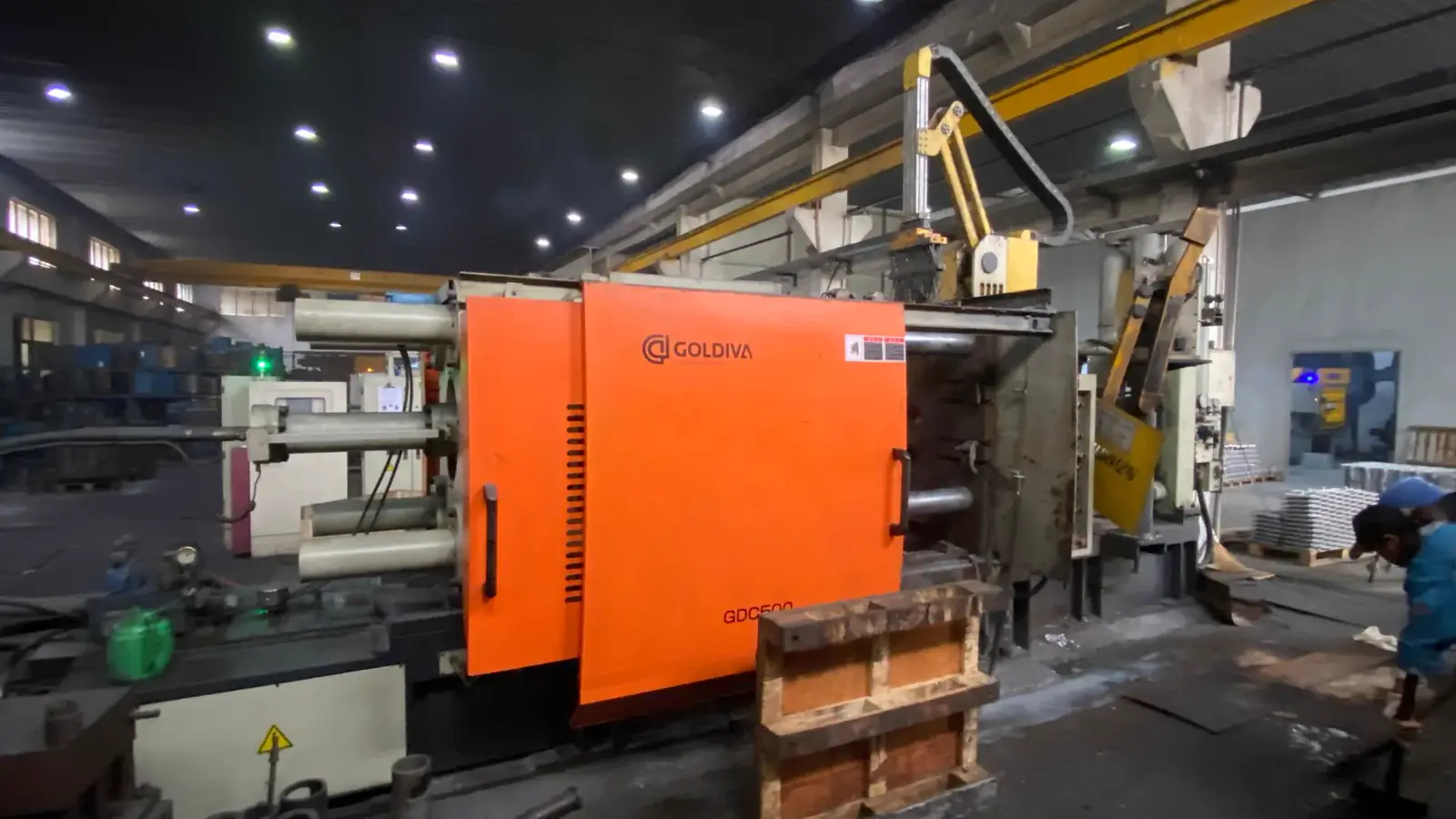
Lead Technical Image
Add a hero-level manufacturing, tooling, or component image that reinforces the article topic above the body copy.
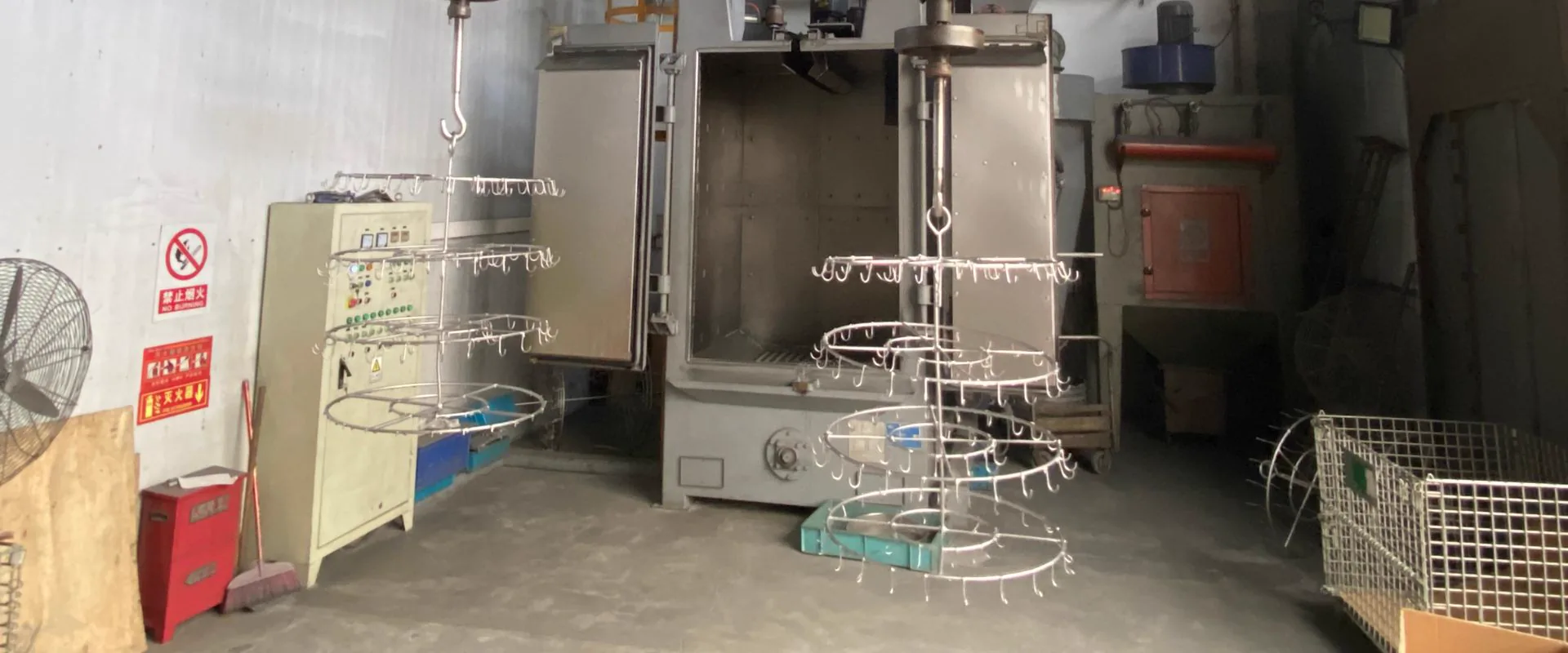
Comparison or Detail Image
Reserve a second image for an alloy comparison, defect example, tooling detail, or application close-up deeper in the article.
Aluminum weighs 2.70 g/cm3 against roughly 8 g/cm3 for stainless steel - about one-third the weight at equal volume - and, unlike stainless, aluminum is a natural high-pressure die casting material. Those two facts decide most aluminum-versus-stainless questions in engineered hardware: the verified density and thermal numbers favor aluminum for housings, brackets and thermal parts, while stainless holds the ground where corrosion, temperature or hardness cannot be traded away. And the process asymmetry is absolute: conventional HPDC does not run stainless at all, so a "stainless die casting" question is really a question about which alternative process - investment casting, machining, or metal injection molding - the part should take.
This page compares the two material families property by property, using the verified aluminum data (density 2.70 g/cm3, thermal conductivity 237 W/m·K pure and ~96 for the die casting workhorses, the yield strength chart), then explains why the die casting process itself sides with aluminum, and where stainless remains the correct engineering answer.
The Property-by-Property Comparison
| Property | Aluminum (die casting family) | Stainless steel | Reading |
|---|---|---|---|
| Density | 2.70 g/cm3 (pure); alloys ~2.63-2.74 | ~7.9-8.0 g/cm3 (commonly published approximate value; grade-dependent) | Equal geometry in aluminum weighs roughly one-third as much |
| Yield strength | Pure annealed ~25-35 MPa; 6061-T6 ~240-276; 7075-T6 ~470-505; A380/ADC12 die cast ~150-170 order of magnitude | Wide and grade/temper-dependent - no single value serves; work-hardened and specialty grades reach high strengths | Compare by grade and condition, datasheet to datasheet |
| Thermal conductivity | ~237 W/m·K pure; ~96 for A380/ADC12 die cast | ~16 W/m·K for common austenitic grades (commonly published approximate value) | Aluminum moves heat; stainless holds it |
| Corrosion resistance | Good in most atmospheres via its natural oxide; vulnerable to galvanic pairing and specific chemistries | Excellent across most environments; the default for harsh chemical and marine duty | Stainless owns the extreme end |
| Hardness | Die cast alloys ~60-100 HB; 6061-T6 95-100 HB verified | 304 annealed ~145-165 HB (commonly published); hardenable grades far beyond | Steels win the hardness tier - details on the metal hardness chart |
| Cost | Lower material cost per volume; net-shape die casting amortizes tooling at volume | Higher material cost, and heavier parts multiply it; process routes cost more per part | Aluminum usually wins at volume |
| HPDC castability | The core high-pressure die casting material | Not a conventional HPDC material | See below |
Every aluminum number in the table is a typical, approximate, alloy- and condition-dependent value; the stainless figures carrying the "commonly published approximate value" flag deserve the extra caution the flag implies, since grades within the stainless family vary widely. Three rows carry most real decisions:
Weight is the structural argument. At 2.70 against roughly 8 g/cm3, an identical aluminum geometry comes out at about one-third the stainless weight - the same arithmetic that makes aluminum a third of carbon steel's 7.85. On anything that moves, mounts, or is carried, that ratio compounds through every bracket and fastener downstream. The per-unit-weight strength question follows from the yield strength chart rather than a single row: aluminum's strongest common wrought grade (7075-T6, ~470-505 MPa) is respectable per kilogram against any common stainless, while its die casting grades trade absolute strength for net-shape geometry.
Thermal behavior is rarely close. Pure aluminum at ~237 W/m·K and even the silicon-heavy die casting workhorses at ~96 conduct heat at multiples of what common stainless grades manage - the full alloy ladder is on the thermal conductivity of aluminum page. A die cast aluminum enclosure doubles as its own heat spreader; a stainless one insulates. When a sealed housing must shed watts, the material question usually ends here.
Corrosion is stainless' home ground. Aluminum's oxide layer handles weather and many chemicals quietly, but pitting chemistry, galvanic coupling to nobler metals, and certain industrial environments push designs to stainless - which shrugs off most of them, with its own known weak spots in specific chloride situations. For food, medical, and harsh chemical exposure, stainless is frequently not a choice but a requirement.
Why Conventional HPDC Does Not Run Stainless
High-pressure die casting fills a hardened steel die in milliseconds with alloy poured a few hundred degrees above its melting point. Aluminum die casting alloys melt near 660°C (the melting point of aluminum family page covers the alloy spread) - a temperature regime the die steel tolerates across production runs. Stainless steels melt far higher, in the commonly published ~1,400-1,450°C range, and molten stainless at those temperatures is aggressive on tool steel: die life collapses, and the economics of the process collapse with it.
The industry statement that follows is a conservative one: conventional HPDC does not do stainless steel. Specialty near-net-shape processes for stainless exist under research and niche production, but a buyer specifying "stainless steel die castings" for a current program is not buying conventional die casting. The real stainless routes are:
- Investment casting - the classic net-shape answer for complex stainless geometry; the comparison is drawn on the investment casting page
- CNC machining - stainless billet cut to final geometry, for volumes and complexities that justify removing that much metal
- Metal injection molding (MIM) - stainless powder molded and sintered, for small, intricate parts at higher volumes; the trade-offs against die casting are laid out in die casting vs metal injection molding
- Sand casting - for larger stainless parts, with the usual process comparison on the die casting vs sand casting page
The practical sourcing translation: when a design needs stainless, choose among those processes; when a design merely needs to be strong, light, corrosion-adequate and economical at volume, aluminum die casting is the route the comparison keeps pointing to - see aluminum die casting.
When Each Material Wins
Aluminum die casting wins when the part is a housing, enclosure, bracket or thermal component produced at volume; when weight matters - robotics, vehicles, portable equipment, anything with a payload; when heat must move through the part itself; and when the corrosion environment is ordinary atmosphere or controllable. Net-shape thin walls, integrated ribs and bosses, and one-part consolidation of assemblies are process advantages on top of the material advantages.
Stainless wins when corrosion resistance is the requirement - chemical processing, marine, food and medical duty; when service temperature exceeds what aluminum alloys are asked to hold; when hardness and wear must be high; when appearance must survive without coatings; and when the part is small and intricate enough that MIM delivers stainless geometry economically. Hybrid designs are common and sensible: a die cast aluminum body carrying stainless fasteners or wear inserts, each material doing its half of the job.
Cost logic ties the two threads together. Per part, aluminum die casting at volume is usually the economical route: cheaper metal by volume, one-third the weight to ship and handle, and a highly productive net-shape process. Stainless parts buy their durability with heavier material and more expensive processes, and the higher the volume, the more that difference compounds - or the more it justifies MIM. The zinc alternative for small precise parts, and the informal "pot metal" ancestry behind cheap zinc hardware, round out the material menu on the pot metal and aluminum vs zinc die casting pages.
Frequently Asked Questions
Is stainless steel heavier than aluminum?
Yes - roughly three times heavier at equal volume: about 7.9-8.0 g/cm3 (commonly published approximate value) against aluminum's verified 2.70 g/cm3. The same geometry in aluminum weighs about one-third of the stainless version.
Can stainless steel be die cast?
Not by conventional high-pressure die casting - the melting temperature is too aggressive on die steel, so economics do not close. Specialty processes for near-net-shape stainless exist, but production stainless parts route to investment casting, CNC machining, sand casting, or metal injection molding instead.
Is aluminum stronger than stainless steel?
There is no single-answer version of that question. Aluminum spans ~25-35 MPa (pure, annealed) to ~470-505 MPa (7075-T6) by alloy and temper; stainless spans a wide, grade- and condition-dependent range of its own. Per unit of weight the comparison is competitive for common grades; per unit of volume, the strongest stainless grades exceed the strongest common aluminum. Compare datasheets for the grades actually in play.
Aluminum vs stainless steel: which corrodes less?
Stainless, in most environments - its chromium oxide layer is the corrosion benchmark, with known caveats in specific chloride situations. Aluminum's oxide handles ordinary atmospheres well but loses to galvanic pairing and pitting chemistries. Match the material to the actual environment rather than the general reputation.
Related
- yield strength of aluminum - the strength data behind the comparison
- metal hardness chart - hardness values for both families
- thermal conductivity of aluminum - the 237-to-96 ladder
- die casting vs metal injection molding - the stainless MIM route compared
- investment casting - the classic stainless net-shape process
- aluminum vs zinc die casting - the other material crossroads
- request a quote
Deciding between aluminum and stainless for a part? Send your package through the request a quote page or email casting@kastdiecast.com:
- CAD or PDF drawing of the final part
- Service environment - the corrosion and temperature duty the part actually sees
- Annual volume and expected program life
- Key dimensions and any weight budget
- Surface treatment, if any
- Test requirements, including any corrosion or mechanical validation
- Destination country and delivery term
KastMfg Manufacturing Co., Ltd. Email: casting@kastdiecast.com | Phone: +86 138 1403 4409 No.6, Rungu Road, Nanjing, China
About The Author
Mike Yao on aluminum vs stainless steel
Technical Director, Die Casting Engineering
Technical Director at KastMfg with 20+ years in high-pressure die casting, leading engineering and program management across aluminum, zinc, and magnesium programs for automotive, EV, electronics, and medical OEMs worldwide.
View author profileRelated Reading
Keep exploring the blog
Can Steel Be Die Cast? Why Conventional HPDC Says No
Can Steel Be Die Cast? Why Conventional HPDC Says No No - steel cannot be made by conventional high-pressure die casting. The commercial process is limited to zinc, magnesium an...
Mike Yao
6 min read
Yield Strength of Aluminum: Alloy Chart
Yield Strength of Aluminum: Alloy Chart The yield strength of aluminum is only about 25-35 MPa in the pure, annealed metal - and roughly ten times that in a heat-treated enginee...
Mike Yao
7 min read
Die Casting vs Permanent Mold Casting: Which to Choose?
Die Casting vs Permanent Mold Casting: How to Choose Die casting and permanent mold casting are both metal mold processes - both use reusable steel or iron dies rather than expe...
Mike Yao
8 min read
Die Casting Die Explained - Anatomy, Steel, Life, and Cost
Die Casting Die - What It Is, How It's Built, and What It Costs A die casting die is a precision steel mold - typically two machined halves of H13 hot-work tool steel - that sha...
Mike Yao
5 min read