Density of Aluminum - Pure Metal and Die Casting Alloys Chart
Density of aluminum (2.70 g/cm3 / 0.0975 lb/in3) plus a full alloy density table: A380, A383, A360, A413, A390, ADC12, A356, 6061, 6063, 7075 - with copper, steel, zinc and magnesium comparison and porosity effects.

Technical Director, Die Casting Engineering
Blog Visual Plan
Article visuals for density of aluminum
These visuals use your current KastMfg image library now, and they will automatically switch to article-specific images when you add them later.
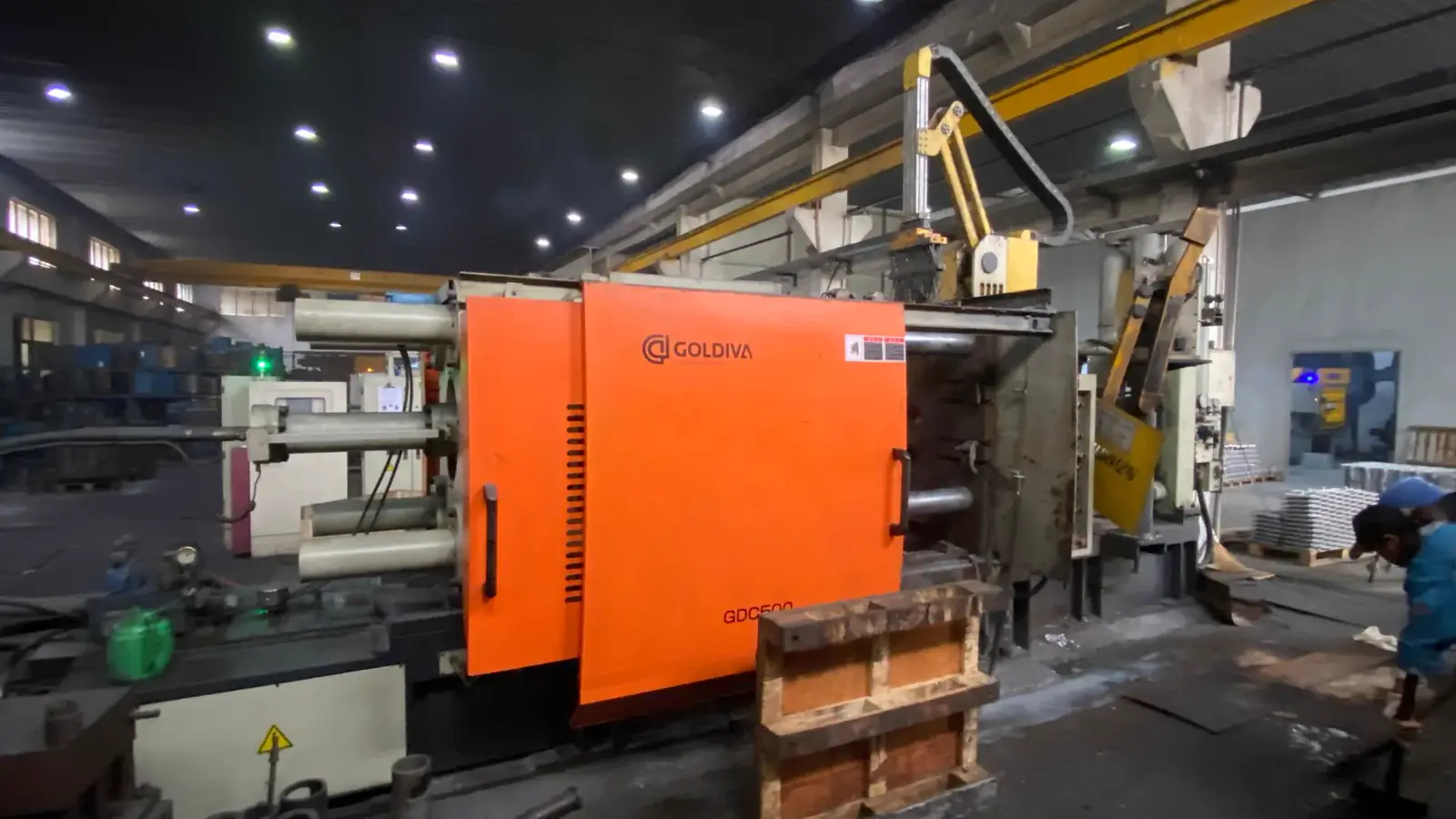
Lead Technical Image
Add a hero-level manufacturing, tooling, or component image that reinforces the article topic above the body copy.
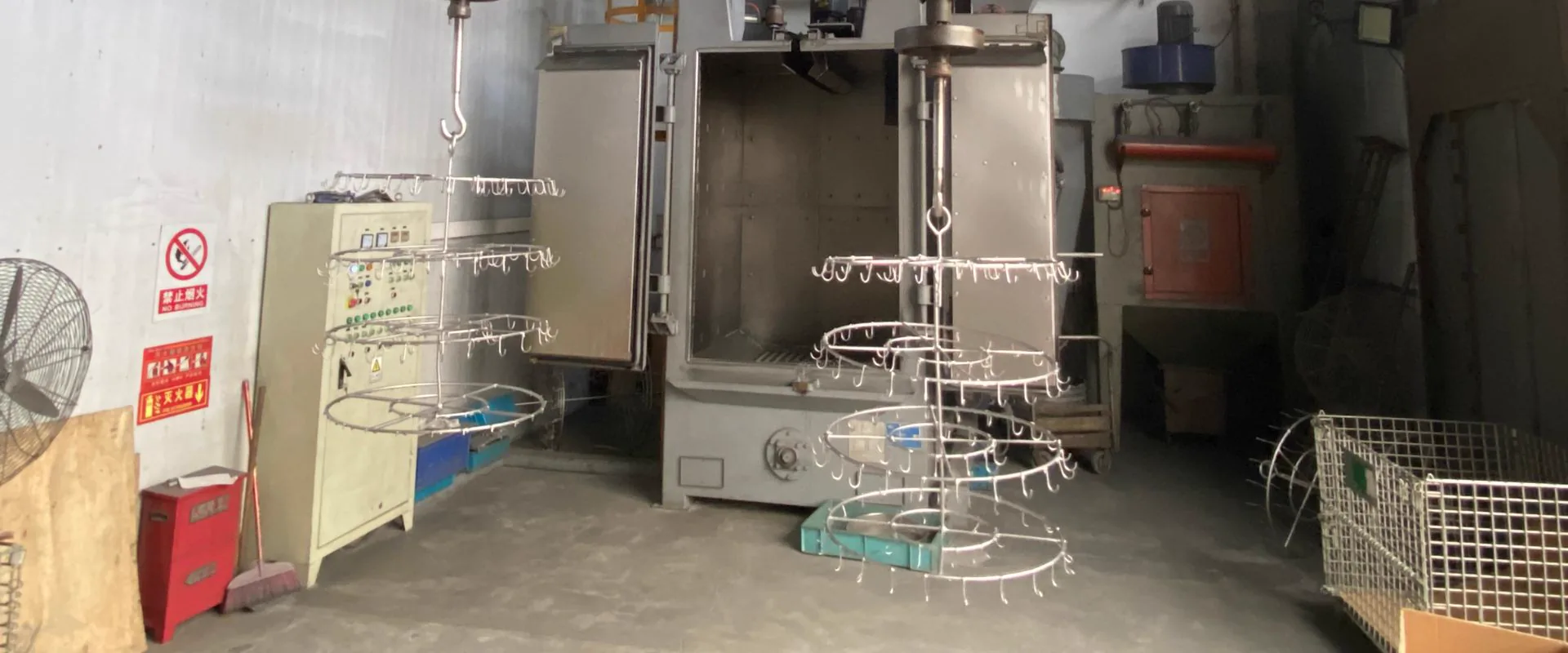
Comparison or Detail Image
Reserve a second image for an alloy comparison, defect example, tooling detail, or application close-up deeper in the article.
The density of aluminum is 2.70 g/cm3 (0.0975 lb/in3) for the pure metal. The aluminum alloy density spread from there is remarkably narrow: the common die casting alloys run 2.63-2.74 g/cm3, and even the wrought grades only reach 2.81 (7075). The interesting part of this page is not the numbers themselves - it is how little they move between alloys, and what actually changes the weight of a finished part.
This page is the quick reference: an aluminum alloy density chart, aluminum vs the other casting metals, why the die casting process itself does not make a part lighter, and how internal porosity quietly shifts as-cast weight.
What Is the Density of Aluminum? The Alloy Density Chart
Pure aluminum (99.99%) sits at 2.6989 g/cm3 - conventionally rounded to 2.70 g/cm3, or 0.0975 lb/in3. Alloying moves it surprisingly little:
| Alloy | Density (g/cm3) | Density (lb/in3) | Notes |
|---|---|---|---|
| Pure aluminum (99.99%) | 2.70 | 0.0975 | Reference value - 2.6989 g/cm3; not a casting alloy |
| A380 | 2.74 | 0.0990 | Die casting - the North American workhorse |
| A383 | 2.74 | 0.0990 | Die casting - improved fill over A380 for intricate parts |
| A360 | 2.63 | 0.0950 | Die casting - higher strength; some tables list 2.68 |
| A413 | 2.66 | 0.0961 | Die casting - near-eutectic ~12% Si; excellent fluidity |
| A390 | 2.74 | 0.0990 | Die casting - hypereutectic; some tables give 2.73-2.76 |
| ADC12 | 2.74 | 0.0990 | JIS die casting alloy - the Asia workhorse; tables range 2.70-2.74 |
| A356 | 2.68 | 0.0968 | Sand / permanent-mold casting; heat-treatable - not a conventional HPDC alloy |
| 6061 | 2.70 | 0.0975 | Wrought - extrusion and machining alloy, not die castable |
| 6063 | 2.70 | 0.0975 | Wrought - extrusion alloy |
| 7075 | 2.81 | 0.1015 | Wrought - highest-strength common alloy; Zn, Cu and Mg push density up |
Two datasheet cautions: A360 is listed at 2.63 g/cm3 in NADCA data but at 2.68 in some producer tables, and ADC12 ranges 2.70-2.74 g/cm3 across sources. Treat the last digit as approximate. Conversion factor: 1 g/cm3 = 0.036127 lb/in3.
For composition, mechanical properties and typical uses, see the individual alloy pages: A380, A383, A360, A413, A390, ADC12 and A356, or the full aluminum casting alloys overview.
Aluminum vs Other Metals: Density in Context
| Metal / alloy | Density (g/cm3) | What it means |
|---|---|---|
| Magnesium (AZ91D) | 1.81 | ~33% lighter than aluminum; the lightest structural die casting metal |
| Aluminum die casting alloys | 2.63-2.74 | The structural default for housings, brackets and covers |
| Titanium (Ti-6Al-4V) | 4.43 | High strength but heavy; commercially pure Ti runs 4.51 |
| Zinc (Zamak 3) | 6.6-6.7 | ~2.4x aluminum by volume; wins on small precision parts anyway |
| Carbon steel | 7.85 | An identical aluminum geometry weighs ~34.4% as much |
| Brass | 8.4-8.7 | Decorative and plumbing duty; heavy |
| Copper | 8.96 | Heaviest common option; thermal and electrical duty only |
The steel comparison drives most lightweighting decisions: 2.70 / 7.85 = 34.4%. The same geometry in aluminum weighs about one-third of the steel version - that is why housings, brackets and covers migrate from steel castings and fabrications to aluminum die castings. Magnesium runs the other way: AZ91D at 1.81 g/cm3 is ~33% lighter than aluminum, at a higher material cost and tighter corrosion margins. For the density-driven choice between the two most common die casting metals, see aluminum vs zinc die casting and the AZ91D magnesium alloy page.
Die Cast vs Machined: Why the Process Doesn't Change the Weight
Density is a material property, not a process property. A die casting and a CNC-machined part of the same alloy and the same geometry weigh the same - the machine that shaped the metal does not change what each cubic centimeter of it weighs. Two consequences buyers miss:
- Die cast aluminum is not lighter than wrought aluminum. A380 die castings run 2.74 g/cm3 against 2.70 g/cm3 for 6061 billet - the die cast alloy is marginally denser. If a drawing says 6061 and the part will be die cast, the density barely moves; the alloy conversation is about process and properties, not weight.
- The real weight advantage of die casting is geometry. A machined part starts from solid billet or plate and cuts away everything that is not the design. A die casting builds the same function with thin walls (often 1.5-2.5 mm), ribs, bosses and hollow net shapes. Same density, less metal. The weight saving comes from the shape, not the process.
The one process effect that does move the number is internal porosity. Conventional non-vacuum high-pressure die casting carries roughly 1-3% internal porosity as a preliminary design range - controlled studies report 0.5-1.1%, and one vacuum-assist study cut porosity from 1.10% to 0.47%. Pores displace metal, so the as-cast bulk density is approximately:
bulk density ≈ alloy density x (1 - pore fraction)
For A380: 2.74 x 0.99 down to 2.74 x 0.97 ≈ 2.66-2.71 g/cm3 as cast, versus the 2.74 datasheet value. That is a first-order estimate only - porosity varies wall to wall - but it is why a precision scale sometimes reads slightly light against a theoretical calculation. Vacuum die casting tightens this up; see vacuum die casting and die casting porosity testing.
Using Density: Quick Estimation for Buyers
Part weight is one multiplication: part weight = CAD volume x alloy density.
Worked example - a housing with a solid CAD volume of 100 cm3 in A380:
- Theoretical weight: 100 x 2.74 = 274 g
- As-cast with 1-3% porosity: roughly 266-271 g
- Same part in inch units: 100 cm3 = 6.10 in3, so 6.10 x 0.0990 ≈ 0.60 lb
Quotes, freight calculations and piece-price discussions use the theoretical number from solid CAD volume - it is repeatable, and the porosity, draft and tolerance effects are smaller than the rounding already in the alloy datasheet. Coatings add a little: powder coat, anodizing and chromate conversion films each add grams, not percent. If you only have a 2D drawing, send it anyway - the quoting team works from the geometry, and density is the easy half.
Frequently Asked Questions
What is the density of aluminum?
2.70 g/cm3 (0.0975 lb/in3) for pure aluminum. The aluminum alloy density range is narrow: die casting alloys run 2.63-2.74 g/cm3, wrought alloys 2.70-2.81 g/cm3.
What is the density of aluminum in lb/in3?
0.0975 lb/in3 for pure aluminum. Convert from metric with 1 g/cm3 = 0.036127 lb/in3, so A380 die cast aluminum works out to 2.74 x 0.036127 ≈ 0.0990 lb/in3.
What is the density of 6061 aluminum?
2.70 g/cm3 (0.0975 lb/in3) - essentially identical to pure aluminum, because 6061's alloying additions are light. One caveat: 6061 is a wrought alloy for extrusion and machining, not a die casting alloy. For the temperature side of the same material data, see the melting point of aluminum chart.
What is the density of A380 die cast aluminum?
2.74 g/cm3 (0.0990 lb/in3) nominal. With typical 1-3% internal porosity, an as-cast part measures ~2.66-2.71 g/cm3 in bulk.
Is aluminum lighter than steel?
Yes - at equal volume, an aluminum part weighs about one-third of the steel part: 2.70 / 7.85 = 34.4%. If stiffness matters, a thicker aluminum section can recover much of the loss - geometry again, not density.
Is die cast aluminum less dense than wrought aluminum?
Slightly, but the two effects point in opposite directions and mostly cancel. The die cast alloy is marginally denser than 6061 (2.74 vs 2.70 g/cm3), while the as-cast part is slightly less dense than the datasheet value because of internal porosity (~1-3%). The net difference on a real part is small - geometry, not process, decides weight.
How much does aluminum weigh per cubic inch?
About 0.0975 lb per cubic inch for pure aluminum (2.70 g/cm3) - and the practical shortcut worth memorizing: one cubic inch of aluminum weighs roughly one tenth of a pound, so a part with 30 in3 of volume comes in near 3 lb before porosity and alloy corrections. Die casting alloys sit close to that line: A380/ADC12 at about 2.74-2.78 g/cm3 (roughly 0.099-0.100 lb/in3) from their silicon and copper content, A360 similar, while zinc Zamak runs about 0.24 lb/in3 - two and a half times aluminum for the same volume - and magnesium about 0.063 lb/in3, roughly two-thirds of aluminum. For weight-critical housings those ratios are the first-pass arithmetic before any FEA.
Related Reading
- melting point of aluminum - the sister data page for the same alloys
- recycled aluminum in die casting - where the metal actually comes from
- is aluminum conductive - conductivity by alloy
- aluminum casting alloys - alloy selection guide
- aluminum vs zinc die casting - density drives this choice
- vacuum die casting - porosity reduction for pressure-tight parts
Need a weight estimate on a casting? Send your CAD or drawing to casting@kastdiecast.com - we will quote piece weight, tooling and unit price | +86 138 1403 4409 | No.6, Rungu Road, Nanjing, China
About The Author
Mike Yao on density of aluminum
Technical Director, Die Casting Engineering
Technical Director at KastMfg with 20+ years in high-pressure die casting, leading engineering and program management across aluminum, zinc, and magnesium programs for automotive, EV, electronics, and medical OEMs worldwide.
View author profileRelated Reading
Keep exploring the blog
Can Steel Be Die Cast? Why Conventional HPDC Says No
Can Steel Be Die Cast? Why Conventional HPDC Says No No - steel cannot be made by conventional high-pressure die casting. The commercial process is limited to zinc, magnesium an...
Mike Yao
6 min read
Thermal Conductivity of Aluminum: Alloy Chart
Thermal Conductivity of Aluminum: Alloy Chart The thermal conductivity of aluminum is approximately 237 W/m·K for the pure metal - and almost nothing ships as pure aluminum. The...
Mike Yao
7 min read
Melting Point of Aluminum and Casting Alloys - Reference Chart
Melting Point of Aluminum - and the Casting Alloys Chart The melting point of aluminum is 660.3°C (1220.5°F) for the pure metal. Aluminum alloys do not melt at one point: they s...
Mike Yao
6 min read
Die Casting vs Permanent Mold Casting: Which to Choose?
Die Casting vs Permanent Mold Casting: How to Choose Die casting and permanent mold casting are both metal mold processes - both use reusable steel or iron dies rather than expe...
Mike Yao
8 min read