Alodine vs Anodizing - Conductivity, Thickness & How to Choose
Alodine vs anodizing compared for aluminum die cast parts: coating thickness, electrical conductivity, corrosion protection, dimensional change, cost, and which to specify on your drawing.

Technical Director, Die Casting Engineering
Blog Visual Plan
Article visuals for alodine vs anodize
These visuals use your current KastMfg image library now, and they will automatically switch to article-specific images when you add them later.
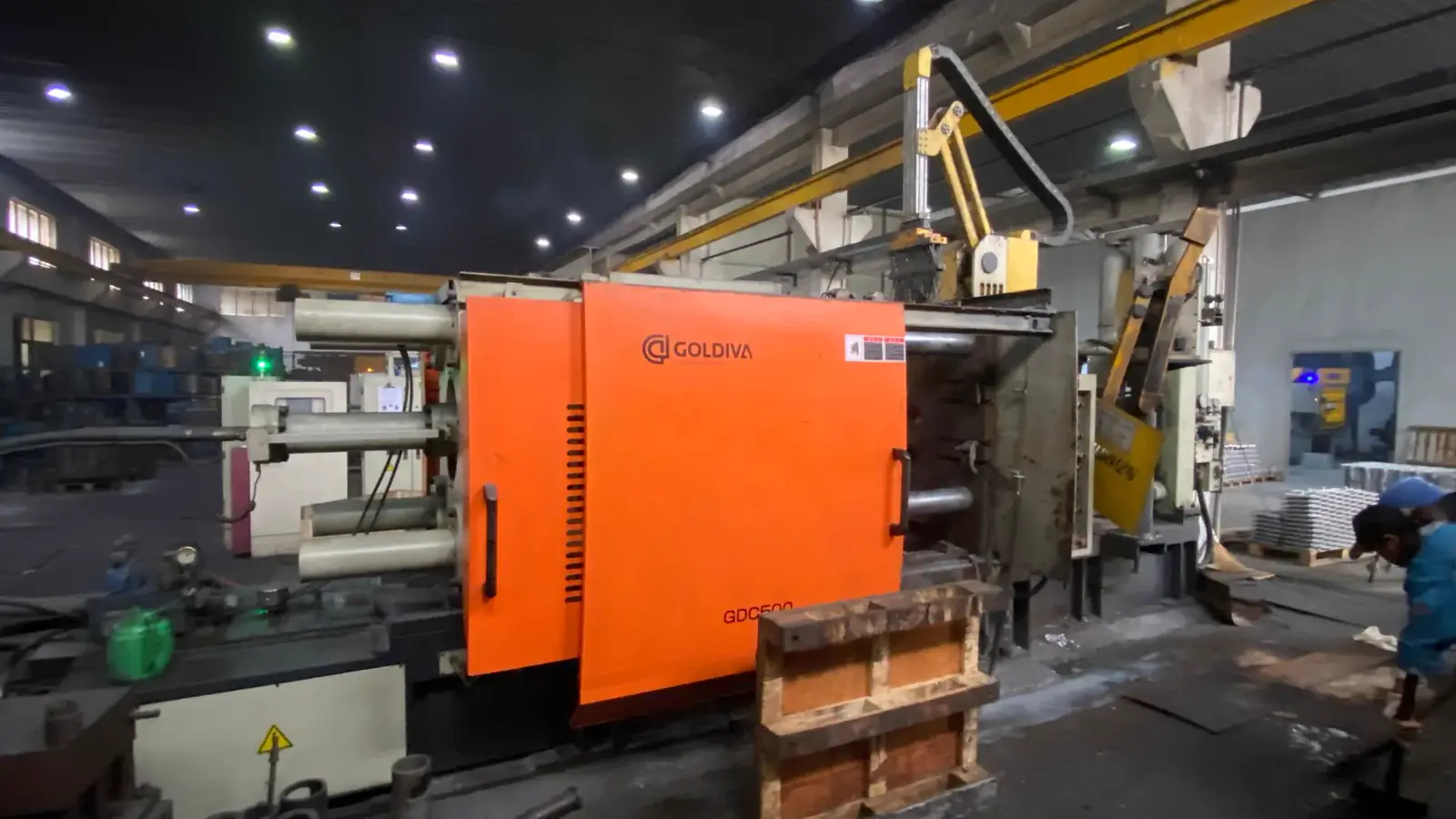
Lead Technical Image
Add a hero-level manufacturing, tooling, or component image that reinforces the article topic above the body copy.
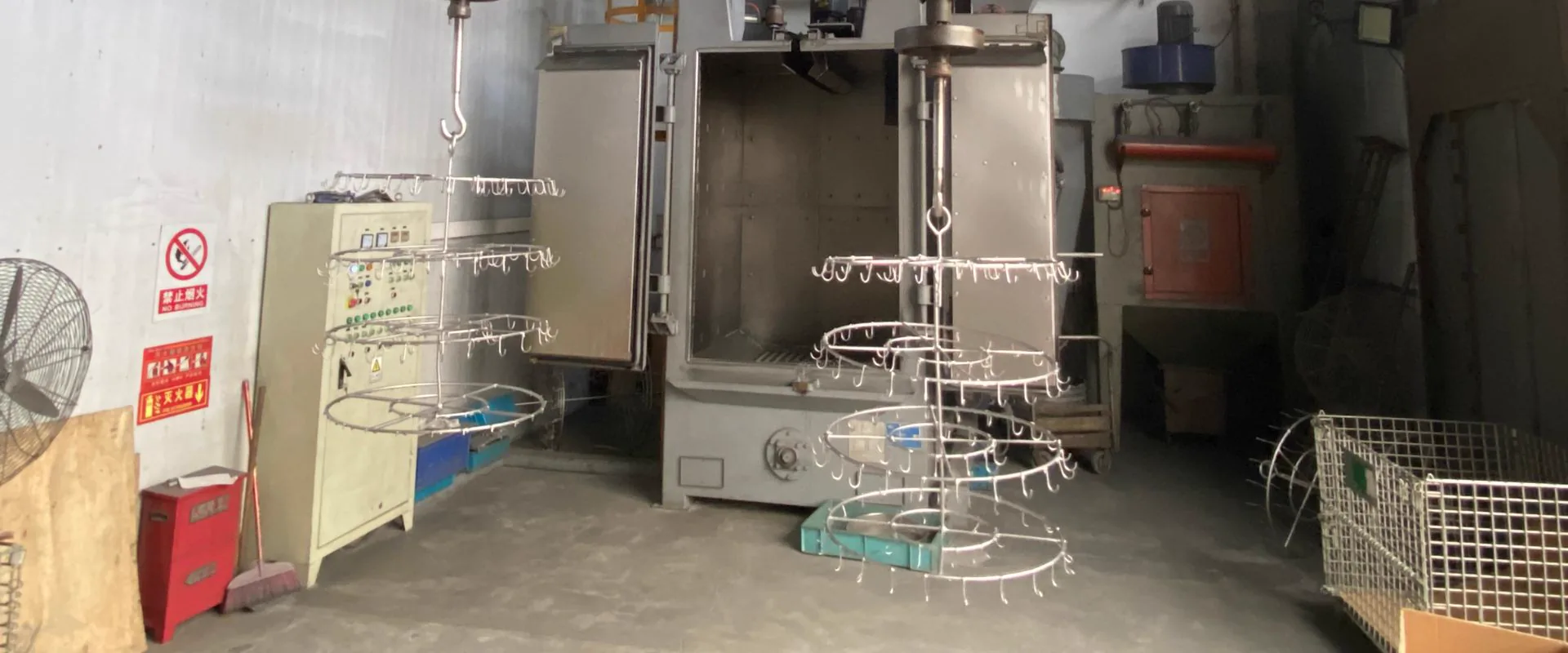
Comparison or Detail Image
Reserve a second image for an alloy comparison, defect example, tooling detail, or application close-up deeper in the article.
Alodine and anodizing get mixed up constantly. Both are aluminum surface treatments, both show up in MIL specs on drawings, and both names start with A. But the alodine vs anodize question is really a choice between two coatings that are opposite in almost every property that matters: one conducts electricity, the other insulates; one adds essentially zero thickness, the other grows a layer you can measure with a micrometer; one is a foundation for paint, the other is a finish in its own right.
This comparison is written for engineers and buyers who need to pick one and write it on a drawing - specifically for die cast parts, where the alloy's silicon content changes the answer again.
Alodine vs Anodizing at a Glance
| Factor | Alodine (Chem Film) | Anodizing (Type II / III) |
|---|---|---|
| What it is | Chemical conversion coating (no electricity) | Electrochemically grown aluminum oxide |
| Spec | MIL-DTL-5541 | MIL-A-8625 |
| Typical thickness | 0.5-2.5 um | 5-25 um (Type II); 25-50 um (Type III) |
| Electrical behavior | Conductive (Class 3 specified for low resistance) | Insulating dielectric |
| Dimension change | Negligible | Small but real (~50% in, ~50% out) |
| Hardness/wear | Soft, marks when fresh | Ceramic-hard (Type III extreme) |
| Corrosion alone | Moderate - best as paint base | Good (Type III very good when sealed) |
| Appearance | Clear to gold iridescent, not decorative | Uniform metallic, dyeable |
| Cost | Lowest | Moderate (Type II) to high (Type III) |
The Conductivity Question
This is usually the reason the alodine vs anodizing decision comes up at all.
Alodine stays conductive. The conversion film is thin enough that current passes through it, which is why MIL-DTL-5541 has a Class 3 specifically for electrical performance. With Class 3, the spec limits contact resistance to no more than 5,000 microhms/in2 as applied, and 10,000 microhms/in2 after salt spray testing, measured at roughly 200 psi of electrode pressure. Note that these electrical test details only become binding when your drawing or procurement documents invoke them - do not assume a bare "chem film" callout gets you a measured resistance.
Anodize insulates. The anodic film is a true dielectric. Typical dielectric breakdown figures quoted for the process: Type II anodize in the 300-500 V DC range, and Type III hardcoat higher - a 50 um hardcoat is reported around 1,500-2,000 V DC. Treat those as order-of-magnitude references, not design data: breakdown voltage moves with film thickness, sealing, and alloy, and no one should size precision insulation from a blog table.
Practical consequences on real parts:
- Grounding pads, EMI contact faces, bonding straps: use chem film Class 3. Anodize these areas and you have insulated your ground.
- Anodized housings: every grounding point and every EMI gasket interface must be masked before anodizing, or machined back after - added cost and a common failure point if missed.
- Live electrical contacts get neither coating - they are masked and left as bare metal. For what bare aluminum itself does electrically, see is aluminum conductive.
Dimensional Impact
Anodize does not just sit on the surface - the oxide grows by converting aluminum, and as a working rule roughly half the layer eats into the metal while half builds outward. It is an engineering approximation, not a universal constant, but it sizes fasteners correctly:
- A 50 um hardcoat therefore adds about 25 um on each exposed face. A shaft that started at 20.00 mm comes out near 20.05 mm in diameter.
- Type II at 5-25 um is smaller but still real: on a tight bore or slip fit, 10-15 um total diameter change is enough to matter.
- Threads, gauge holes, and precision bores on an anodized part need masking or post-coating rework, or the drawing must accept the buildup.
Alodine changes dimensions so little (0.5-2.5 um, sub-micron to a few microns) that designers treat it as zero. That is exactly why it is the default for threaded holes, bearing bores with clearance to spare, and mating faces where the assembly stack-up was calculated bare. If your tolerance budget is in single-digit microns, chem film is the only corrosion treatment on the list that leaves it untouched.
Corrosion Protection and Paint Base
Both processes pass ASTM B117 neutral salt spray testing, but they play different roles.
Chem film trades bare-barrier life for other properties. MIL-DTL-5541 Class 1A is the high-corrosion grade (usually gold to brown) and gives the most protection the chemistry can offer; Class 3 sacrifices some of that margin to stay thin and conductive. Neither is meant to live alone outdoors - for marine or outdoor exposure, chem film should sit under a paint or powder system, where it does its best work as the adhesion and underfilm-corrosion layer. Sources disagree on exact salt spray hours for any class, which is itself the point: the film is a foundation, not a fortress.
Anodize is a genuine barrier, especially Type III. A properly sealed Type II anodize protects well; Type III hardcoat is routinely reported to pass 336+ hours of neutral salt spray in capable shops. Treat that as a process capability statement, not a blanket guarantee under MIL-A-8625 - results still depend on alloy, thickness, and sealing quality.
Outdoor parts: the honest answer is neither coating alone is the best plan for a bare outdoor die casting. The standard winning stack is chem film (or an equivalent chrome-free pretreatment) plus powder coat or paint - you get the barrier, the adhesion, and repairability. For the decorative-finish side of that decision, see anodizing vs powder coating.
Cost and Process
The cost order is usually predictable:
- Chem film is cheapest. Immersion in a chemical bath, short cycle time, no electric current, minimal masking, low energy. On simple aluminum parts it is often the lowest-cost corrosion treatment of any kind.
- Type II anodize sits in the middle. Electrolytic processing plus sealing (and dyeing if color is specified) takes longer, uses power, and adds masking for contact areas.
- Type III hardcoat is most expensive. Tight bath temperature and current-density control, long cycle times, and usually more masking - and the thickness itself can force finish-machining allowance.
One honest nuance: at low volume, or on parts with complex masking, the order can invert. A small batch of hardcoat parts with four masked bores can cost more per piece than a production chem film run simply because setup and masking dominate. Get quotes for the actual part, not the process average.
On Die Cast Parts Specifically
Everything above assumes a reasonably anodizable alloy. Die castings are not one.
High silicon ruins decorative anodize. A380 and ADC12 carry roughly 8-12% silicon. Silicon does not anodize - it stays in the surface as dark, non-converting particles - so the anodic film comes out dark, gray, streaky, or blotchy. Functional Type III anodize on die castings is possible; decorative Type II dye work on A380 is a reject-generator. If the part must look anodized, change the process (extrude or machine from billet) or change the finish (powder coat).
Chem film works on high-silicon alloys - just darker. The conversion coating still forms and still protects on A380/ADC12, but expect a deeper, less uniform color than on wrought 6061. Function is unaffected; if consistent golden appearance is a requirement, run a sample on your actual alloy first.
Porosity changes the game differently for each. Die casting porosity does not stop chem film - the bath reaches the surface regardless, and protection works even over minor pits. Anodize is the opposite story: porosity and exposed subsurface voids make decorative anodize blister or show pitting, and heavy outgassing can ruin the film. Severe porosity is a casting defect to fix at the source, not a finishing problem to paint over.
The full finish menu for castings - plating, blasting, polishing, painting - lives in the die casting surface finishing guide.
How to Choose - Decision Table
| Your situation | Specify |
|---|---|
| Grounding face, EMI contact, bonding surface | Chem film per MIL-DTL-5541, Class 3 |
| Tapped holes or precision bores must not change size | Chem film |
| Corrosion pretreatment under paint or powder | Chem film (Class 1A) or chrome-free equivalent |
| Decorative metallic appearance on a good alloy | Type II anodize (low-silicon alloy only) |
| Wear surface, sliding contact, abrasion resistance | Type III hardcoat |
| Outdoor part with no paint system | Neither alone - use chem film plus powder coat |
| A380/ADC12 cosmetic part | Powder coat or paint (see anodizing vs powder coating) |
| Electrical insulation is the requirement | Anodize (Type II or III), mask any contacts |
Specifying on the Drawing
A finish callout is one line - but it must be the right line:
Chromate conversion coat per MIL-DTL-5541, Type II, Class 3 (clear, RoHS-compliant, low contact resistance) - for conductive corrosion protection.
Anodize per MIL-A-8625, Type II, Class 1, clear - for a dyed-or-clear decorative film on an anodizable alloy.
One trap that catches even experienced engineers: "Type II" means different things in the two specs. MIL-DTL-5541 Type II means trivalent-chromium or chrome-free chem film chemistry; MIL-A-8625 Type II means sulfuric-acid anodize. Quoting "Type II" without the spec number is how parts come back with the wrong coating entirely.
Before tooling release, confirm with your supplier which type and class the finishing line actually runs, whether masking of threads and contact pads is in the quote, and sample approval on your specific alloy. Changing the surface treatment after die approval often forces machining-allowance changes.
Frequently Asked Questions
Is Alodine the same as anodizing?
No - this is the most common mix-up in aluminum finishing. Alodine is a brand name for chromate conversion coating: a sub-micron to few-micron chemical film that stays conductive and adds no dimension. Anodizing is an electrolytically grown oxide, 5-50 um thick, hard and insulating. They are opposites on nearly every spec sheet line.
Can you anodize over Alodine?
Not as a practical stack. Anodizing requires a clean, active aluminum surface; a chromate film in the way blocks the electrolytic reaction. If a part needs anodize, strip the chem film first. It is far more common to see the two on different faces of the same part: chem film on the grounding pad, anodize on the wear surface, with masking separating them.
Which is cheaper, Alodine or anodizing?
Chem film is almost always cheaper: chemical immersion, short cycles, no current, minimal masking. Type II anodize costs more (electrolysis, sealing, masking), and Type III hardcoat costs the most. Caveat: on tiny batches or heavily masked parts, masking labor can narrow or even invert the gap.
Does anodized aluminum conduct electricity?
The substrate does, but the anodic film does not - it is a dielectric. Typical Type II breakdown voltages sit in the 300-500 V DC range, with Type III higher. So an anodized grounding point is an insulated grounding point, and EMI contacts on anodized housings must be masked or machined back.
Can ADC12 die castings be anodized?
Technically yes, cosmetically no. The 8-12% silicon in ADC12/A380 produces a dark, uneven film that buyers reject for visible parts. Functional hardcoat anodize is possible on good castings; decorative anodize belongs on low-silicon alloys or wrought material. For die cast housings that must look premium, powder coat over chem film is the reliable route.
Does Alodine change part dimensions?
Effectively no. At 0.5-2.5 um, the film is the only common corrosion finish that leaves threads, bores, and mating faces alone - the main reason it exists alongside anodize at all.
Related Reading
- chromate conversion coating - the full chem film guide: types, classes, RoHS
- anodizing vs powder coating - the decorative finish decision on die castings
- is aluminum conductive - what bare aluminum does electrically
- die casting surface finishing guide - every finish option on one table
- die casting plating services - plating options for zinc and aluminum castings
Specifying a finish on a die cast part? Send the drawing to casting@kastdiecast.com - we confirm the finishing route for your alloy before tooling release | +86 138 1403 4409 | No.6, Rungu Road, Nanjing, China
About The Author
Mike Yao on alodine vs anodize
Technical Director, Die Casting Engineering
Technical Director at KastMfg with 20+ years in high-pressure die casting, leading engineering and program management across aluminum, zinc, and magnesium programs for automotive, EV, electronics, and medical OEMs worldwide.
View author profileRelated Reading
Keep exploring the blog
Chromate Conversion Coating (Alodine / Chem Film) for Die Cast Parts
Chromate Conversion Coating - Alodine, Chem Film, and What to Specify Chromate conversion coating is the thinnest, cheapest corrosion protection you can put on an aluminum die c...
Mike Yao
6 min read
Anodizing vs Powder Coating for Die Cast Parts - How to Choose
Anodizing vs Powder Coating - Which Finish Fits Your Die Cast Part? Anodizing and powder coating are the two finishes buyers compare most often for aluminum parts - but they beh...
Mike Yao
7 min read
Thermal Conductivity of Aluminum: Alloy Chart
Thermal Conductivity of Aluminum: Alloy Chart The thermal conductivity of aluminum is approximately 237 W/m·K for the pure metal - and almost nothing ships as pure aluminum. The...
Mike Yao
7 min read
Threaded Holes in Die Cast Aluminum: Guide
Threaded Holes in Die Cast Aluminum: Guide Ask a machining forum whether threads can be tapped straight into die cast aluminum and the answers split into two camps. One calls it...
Mike Yao
12 min read