Is Aluminum Conductive? Electrical & Thermal Data by Alloy
Yes - aluminum conducts electricity at ~61% IACS commercially pure and ~27% IACS for die cast A380. Conductivity by alloy, aluminum vs copper on weight and cost, the oxide-layer catch, and what it means for cast parts.

Technical Director, Die Casting Engineering
Blog Visual Plan
Article visuals for is aluminum conductive
These visuals use your current KastMfg image library now, and they will automatically switch to article-specific images when you add them later.
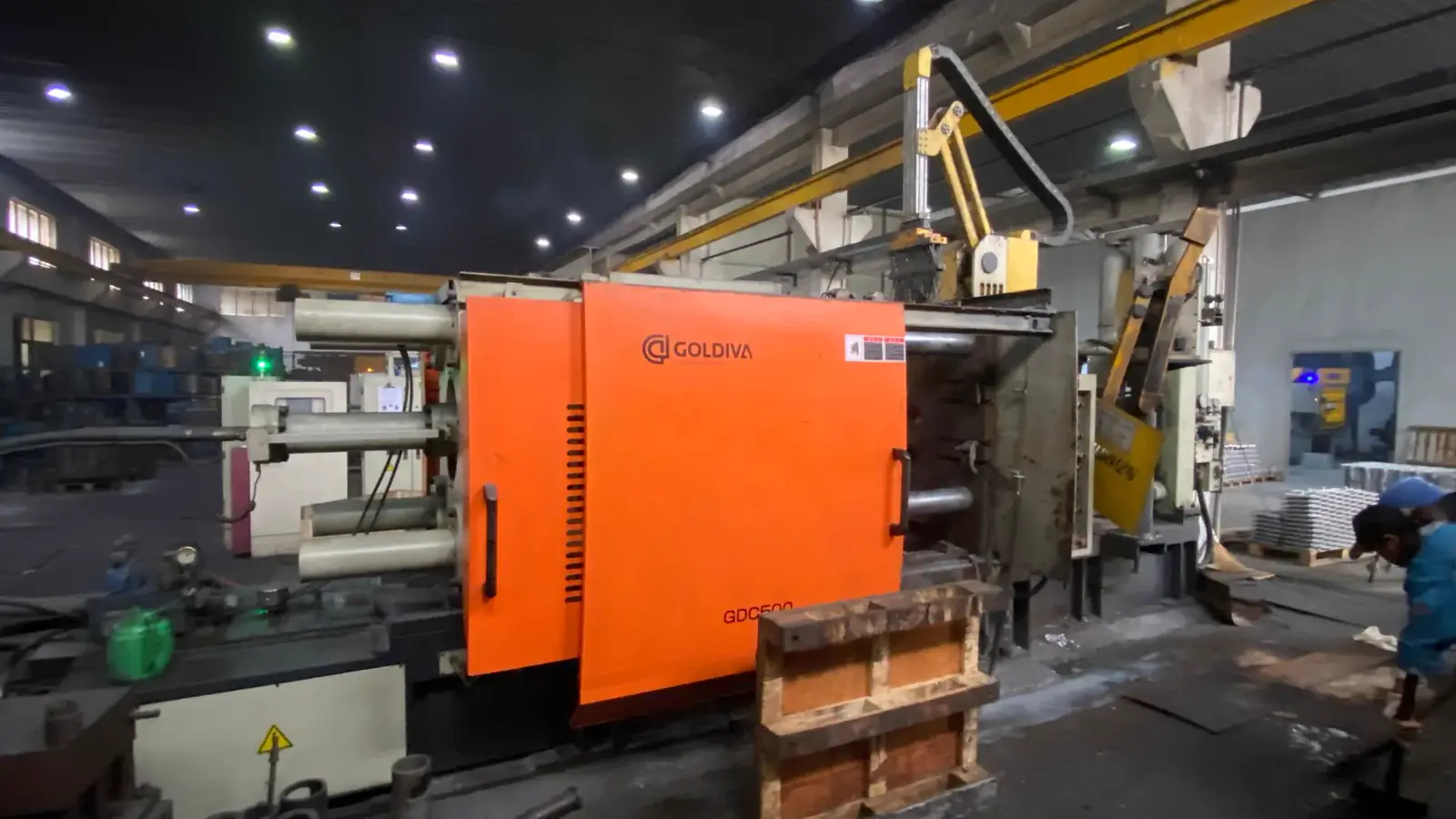
Lead Technical Image
Add a hero-level manufacturing, tooling, or component image that reinforces the article topic above the body copy.
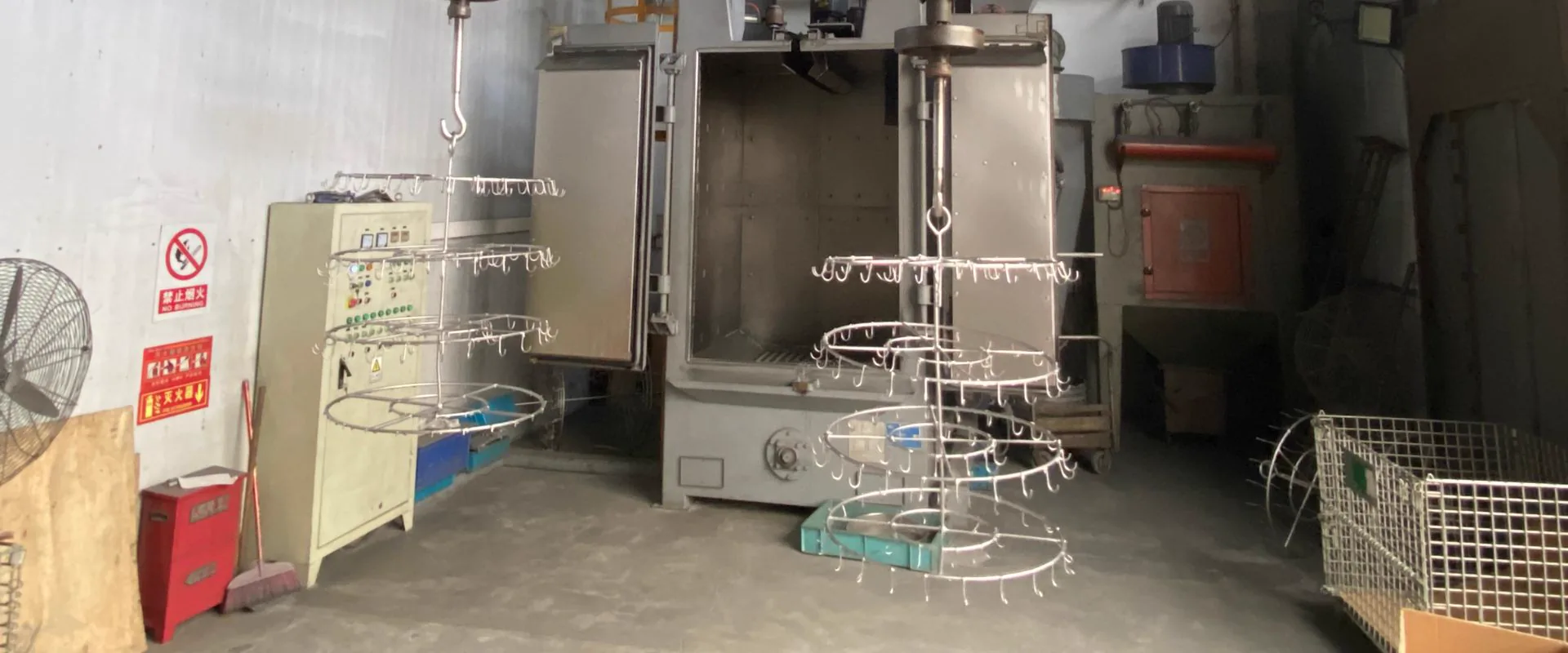
Comparison or Detail Image
Reserve a second image for an alloy comparison, defect example, tooling detail, or application close-up deeper in the article.
Yes - aluminum is a good conductor of electricity: the fourth-best among common metals, behind only silver, copper, and gold. It is the standard material for overhead power transmission lines, so the short answer to "does aluminum conduct electricity" is unambiguous. The nuance for buyers of cast parts is that aluminum electrical conductivity depends heavily on alloy: commercially pure aluminum runs ~61% IACS, while die cast A380 sits near ~27% IACS - barely half. That spread decides whether a die cast part works as an EMI shield, a ground path, or simply a structural housing.
This page is the quick reference: conductivity by grade, the aluminum vs copper conductivity trade on weight and cost, why cast alloys conduct less, and the oxide-layer catch that surprises people at assembly time.
So, Is Aluminum Conductive? The Numbers by Alloy
Conductivity is measured on the International Annealed Copper Standard (IACS), which defines annealed copper as 100% IACS, equal to 58.0 MS/m at 20°C. Every other metal is rated as a percentage of that:
| Material | Electrical conductivity (% IACS) | Notes |
|---|---|---|
| Annealed copper (reference) | 100% | 58.0 MS/m at 20°C - the IACS definition itself |
| Commercially pure aluminum | ~61% | ~35.4 MS/m; very high-purity grades reach ~65% (~37.7 MS/m) |
| 1350 (electrical conductor grade) | ~61-62% | The overhead power line alloy |
| 6063-T5/T6 | ~47-53% | Wrought extrusion alloy |
| 6061-T6 | ~40-43% | ~25 MS/m; wrought extrusion and machining alloy |
| A380 (die cast) | ~27% | ~15.7 MS/m; alloying additions scatter electrons |
| ADC12 (die cast) | ~Similar to A380 | Composition-dependent - verify on the grade datasheet |
| Zamak (zinc die cast) | ~25-27% | Typical engineering estimate |
| Brass | ~25-28% | Grade-dependent |
| Steel | ~3-15% | Strongly grade-dependent; stainless sits at the low end |
Three things to read from this table. First, pure and wrought aluminum grades sit in the 40-65% band - respectable conductivity, which is why the metal carries power across continents. Second, the die casting grades (A380, ADC12, Zamak) land in the 25-27% band, the same neighborhood as brass and well above steel: enough to matter for shielding and grounding, but a different part number than conductor aluminum. Third, ADC12 has no single authoritative figure - it tracks A380's order of magnitude, but confirm the number on the grade datasheet before designing against it.
Aluminum vs Copper Conductivity: The Weight Math
Copper beats aluminum on raw conductivity, 100% against ~61% IACS. The reason power lines are aluminum anyway is a cross-section and weight calculation. To carry the same current at the same resistance, aluminum needs about 1.6 times the cross-section of copper (58.0 / 35.4 ≈ 1.64). But aluminum's density is only 2.70 g/cm3 against copper's 8.96 g/cm3, so that thicker aluminum conductor weighs about half as much (1.64 x 2.70 / 8.96 ≈ 0.49). Layer on lower material cost, and aluminum wins any application where weight and cost dominate over volume.
Copper still wins where space is the constraint: motor windings, transformer coils, busbars, and dense connector fields all pay for volume, not weight. For die cast buyers the practical takeaway is simple: if a part must carry serious current, specify a wrought conductor alloy such as 1350; if it must only reference ground or contain EMI, cast grades do the job at lower cost per part.
Why Cast Aluminum Conducts Less Than Wrought
The drop from ~61% IACS in pure aluminum to ~27% in A380 is alloying physics. Conductivity comes from free electrons moving through a regular crystal lattice, and every alloying addition disrupts that lattice. A380 carries roughly 8-9% silicon plus 3-4% copper - both scatter electrons, so conductivity falls by more than half. Wrought alloys like 6061 and 6063 take a smaller hit because their alloy content is lower.
Porosity plays a minor role by comparison - a well-run die casting's internal voids cost less conductivity than the chemistry does, so conductivity stays fairly stable across castings of the same alloy.
What this means for die cast parts in electrical service:
- EMI shielding: shielding effectiveness scales with conductivity, and die cast housings shield well at the frequencies typical of electronic enclosures. A380 at ~27% IACS is entirely serviceable for RF enclosures - one reason aluminum die casting for electronics is a standard pairing.
- Ground paths: chassis and enclosure grounding through a die cast part works - just remember the oxide layer (next section) at every interface.
- Current carrying: die cast aluminum is not a busbar material. For current-carrying parts, move to a wrought conductor alloy or design in a copper insert.
For the full A380 picture - composition, strength, applications - see the A380 aluminum grade page.
The Oxide Layer Catch
Fresh aluminum forms an adherent oxide film almost instantly at room temperature. The film is thin, hard - and electrically insulating. A die cast housing measured bulk-to-bulk shows ~27% IACS, but the contact patch between that housing and a mating screw or bracket measures much worse unless the oxide is dealt with. Standard fixes, used alone or together:
- Plating the contact surfaces (tin, nickel) so connectors bite into a consistent metal
- Conductive conversion coatings such as chromate, which add corrosion protection while keeping surface resistance low - see chromate conversion coating
- Oxide-penetrating compounds at terminal connections, the classic power-line practice
- Connectors rated for aluminum, with serrated or spring-loaded contact faces that break through the film
One related property that helps more than it hurts: aluminum is non-magnetic - technically very weakly paramagnetic. Cast housings do not distort magnetic fields or attract ferrous debris, which suits sensor packages, motors, and RF assemblies.
Thermal Conductivity Follows Electrical
The Wiedemann-Franz correlation says the same free electrons that carry charge also carry heat, so high electrical conductivity tracks high thermal conductivity. That is why the alloy ranking repeats itself thermally: pure aluminum conducts ~237 W/m·K, 6063 ~200, 6061-T6 ~167, and A380 ~96-105 - the alloying that scattered electrons above drags thermal performance down in lockstep. If the part is a heat sink rather than a shield, the alloy choice swings the thermal number by more than 2x, same as the electrical one. The full breakdown with design guidance is in heat sink types.
Frequently Asked Questions
Is aluminum conductive?
Yes. Commercially pure aluminum is ~61% IACS, making it the fourth-best conductor among common metals after silver, copper, and gold. Aluminum alloys conduct less - die cast A380 is ~27% IACS - but all remain far better conductors than steel.
Does aluminum conduct electricity as well as copper?
Not by volume - pure aluminum reaches ~61% of copper's conductivity. At equal conductance, though, an aluminum conductor needs ~1.6x the cross-section yet weighs about half, which is why power transmission lines are aluminum and copper stays in windings, busbars, and dense connectors.
Is aluminum a good conductor or an insulator?
A conductor - a good one. The common confusion comes from the oxide layer, which forms instantly on exposed aluminum and is an insulator. The bulk metal underneath conducts fine; the surface film only needs managing at electrical interfaces.
Is die cast aluminum conductive?
Yes. A380 die cast aluminum is ~27% IACS, in the same range as Zamak and brass. That is enough for EMI shielding, chassis grounding, and conductive enclosures, but not for current-carrying busbars - specify a wrought conductor alloy like 1350 for those.
Is aluminum magnetic?
No. Aluminum is non-magnetic - technically very weakly paramagnetic. It neither attracts magnets nor measurably distorts magnetic fields, which is why aluminum castings work well around motors, sensors, and RF hardware.
Does anodized or powder coated aluminum conduct electricity?
The bulk metal still conducts, but the finish insulates the surface. Anodizing grows the natural oxide layer thicker, and powder coat adds a polymer barrier - both block current at the surface. For a grounded finished part, mask contact points before coating, specify a conductive conversion coating, or plate the mating interfaces.
Related Reading
- heat sink types - aluminum thermal conductivity by alloy, and how to choose
- chromate conversion coating - a conductive, corrosion-resistant surface treatment
- aluminum die casting for electronics - enclosures, EMI shielding, and thermal design
- melting point of aluminum - more aluminum material data by grade
- A380 aluminum - the workhorse die casting alloy, in depth
Sourcing die cast housings with EMI or grounding requirements? Send the drawing to casting@kastdiecast.com - we will advise on alloy and conductive finishing | +86 138 1403 4409 | No.6, Rungu Road, Nanjing, China
About The Author
Mike Yao on is aluminum conductive
Technical Director, Die Casting Engineering
Technical Director at KastMfg with 20+ years in high-pressure die casting, leading engineering and program management across aluminum, zinc, and magnesium programs for automotive, EV, electronics, and medical OEMs worldwide.
View author profileRelated Reading
Keep exploring the blog
Thermal Conductivity of Aluminum: Alloy Chart
Thermal Conductivity of Aluminum: Alloy Chart The thermal conductivity of aluminum is approximately 237 W/m·K for the pure metal - and almost nothing ships as pure aluminum. The...
Mike Yao
7 min read
Can Steel Be Die Cast? Why Conventional HPDC Says No
Can Steel Be Die Cast? Why Conventional HPDC Says No No - steel cannot be made by conventional high-pressure die casting. The commercial process is limited to zinc, magnesium an...
Mike Yao
6 min read
Threaded Holes in Die Cast Aluminum: Guide
Threaded Holes in Die Cast Aluminum: Guide Ask a machining forum whether threads can be tapped straight into die cast aluminum and the answers split into two camps. One calls it...
Mike Yao
12 min read
Landed Cost of Die Cast Parts from China: An RFQ Model
Landed Cost of Die Cast Parts from China: An RFQ Model Two quotations for the same die cast part can differ by a wide margin, and the lower number is not always the cheaper prog...
Mike Yao
12 min read